
Plants
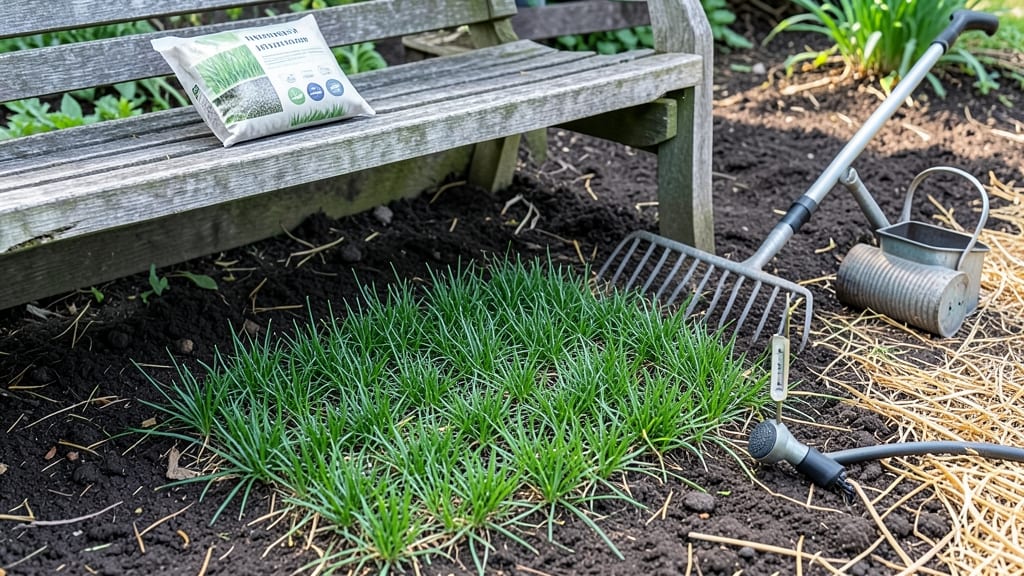
Planting grass seed in Minnesota isn’t just about grabbing a bag and scattering—it’s about timing your efforts to beat frost, avoid weed takeover, and give your lawn the best shot at success.
With the state’s USDA Zones 3-5 bringing early frosts and short growing seasons, waiting too long in spring or planting too early in fall can leave your 🌱 vulnerable to temperature swings and poor germination.
Most gardeners know fall is ideal, but did you realize northern Minnesota’s Zone 3 has a narrower window than southern Zone 5? The key is planting 4-6 weeks before the first frost—typically late August to early October—while soil stays above 50°F for consistent root growth.
Spring planting works too, but only after the last frost (usually mid-May) and when soil warms to 55°F.
Why does this matter? Because rushing the process can mean wasted seed, patchy growth, or a lawn that never quite lives up to expectations. I’ve seen firsthand how a few weeks’ difference can turn a lush, weed-free lawn into a battleground for crabgrass.
Let’s break down the exact deadlines for your zone—and how to prep your soil for maximum success.
From choosing the right grass seed for Minnesota’s climate to avoiding common pitfalls like overwatering or planting in cold soil, this guide gives you the zone-specific insights you need to plant with confidence.
Whether you’re seeding a new yard or overseeding an existing one, you’ll walk away knowing exactly when to start—and how to set your lawn up for long-term health.
Minnesota grass planting deadlines by USDA Hardiness Zones (3-5)
Minnesota spans USDA Hardiness Zones 3-5, which means your planting deadlines depend heavily on whether you're in northern Zone 3 or southern Zone 5. The key difference? Frost dates shift by weeks between regions, and soil temperatures vary dramatically.
For example, Zone 3 (northern MN) has a shorter growing season than Zone 5 (southern MN), so timing is even more critical.
Most Minnesota gardeners focus on two ideal windows: early spring (after last frost) and late summer/fall (before first frost). However, fall planting is generally preferred because cooler temps reduce weed competition and drought stress. The 6-week window before first frost is your sweet spot for germination and root establishment.
Here’s the critical rule: Soil temperature must stay above 50°F (10°C) for at least 7 days before planting. Below this, seeds rot instead of sprouting.
In Minnesota, this typically aligns with late April to early May for spring and mid-September to early October for fall, but your exact zone dictates the precise dates.
| USDA Zone | Spring Planting Window | Fall Planting Window | Soil Temp Requirement | Frost-Free Days |
|---|---|---|---|---|
| Zone 3a (North) | May 15–June 1 | September 1–September 15 | 55°F (13°C) min | 90–110 days |
| Zone 3b (North-Central) | May 1–May 15 | September 10–September 25 | 52°F (11°C) min | 100–120 days |
| Zone 4a (Central) | April 20–May 5 | September 20–October 5 | 50°F (10°C) min | 110–130 days |
| Zone 4b (South-Central) | April 10–April 25 | September 25–October 10 | 48°F (9°C) min | 120–140 days |
| Zone 5a (Southwest) | April 1–April 15 | October 1–October 15 | 45°F (7°C) min | 130–150 days |
If you’re in Zone 3, aim for late April to early May in spring or early September in fall. For Zone 5, you’ve got a slightly longer window—mid-April to early May or late September to mid-October.
The key is to plant 4–6 weeks before the first frost to allow roots to establish before winter dormancy.
Pro tip: Use a soil thermometer to confirm temperatures. If your soil is still below 50°F (10°C), wait—cold soil = failed germination. I’ve seen too many gardeners rush planting in late April only to watch their seed wash away in heavy rains or rot in chilly soil.
For northern Minnesota, where frost can linger into mid-May, consider fall planting exclusively. The 60-day window before first frost (typically September 1–October 15) gives seeds time to germinate and establish before winter.
In southern Minnesota, you’ve got flexibility for both spring and fall, but fall is still the safer bet.
One common mistake? Planting too early in spring when soil is still frozen or too late in fall when nights dip below freezing. Always check your local frost dates (Almanac.com is a great resource) and adjust by 2–3
5 Critical factors that determine your grass seed planting timeline
Timing your grass seed planting in Minnesota isn’t just about picking a month—it’s about understanding five critical factors that can make or break your lawn’s success. From soil temperatures to seed type, each plays a role in ensuring your grass sprouts strong and thrives.
Let’s break down what you need to watch for before grabbing that seed bag.
First, soil temperature is your biggest clue. Grass seed needs soil that’s consistently 50-65°F to germinate properly. In Minnesota, this usually means waiting until late April or early May for spring planting or aiming for mid-September to early October in fall. A soil thermometer is your best friend here—don’t guess!
Frost risk is the next hurdle. Planting too early in spring risks a late frost killing your tender seedlings, while fall planting must finish 4-6 weeks before the first frost. In northern Minnesota (Zone 3), this could mean planting by mid-September, while southern areas (Zone 5) might have until early October.
- Soil Temperature: 50-65°F for germination (use a soil thermometer)
- Frost Risk: Plant 4-6 weeks before first frost in fall or after last frost in spring
- Seed Type: Cool-season grasses (Kentucky bluegrass, fescue) thrive in Minnesota’s climate
- Moisture Levels: Keep soil consistently moist (1 inch per week) for 4-6 weeks after planting
- Weed Suppression: Pre-emergent herbicides after germination (not before!) to prevent weed competition
Your choice of grass seed type also dictates timing. Minnesota’s climate favors cool-season grasses like Kentucky bluegrass or fine fescue, which germinate quickly in cooler temperatures. Warm-season grasses (like Bermuda) won’t thrive here—stick to cool-season varieties for year-round success.
Don’t overlook moisture levels. Grass seed needs consistent moisture to germinate, but too much water can drown it. Aim for 1 inch of water per week for the first 4-6 weeks after planting. A gentle sprinkler or soaker hose works best—avoid heavy downpours that can wash away seed.
Lastly, weed suppression is a silent killer of new grass. Apply a pre-emergent herbicide only after your grass has germinated (usually 2-3 weeks post-planting). Timing this wrong can smother your seedlings before they get a chance to grow. For organic options, mulch with straw to block weeds naturally.