Planting
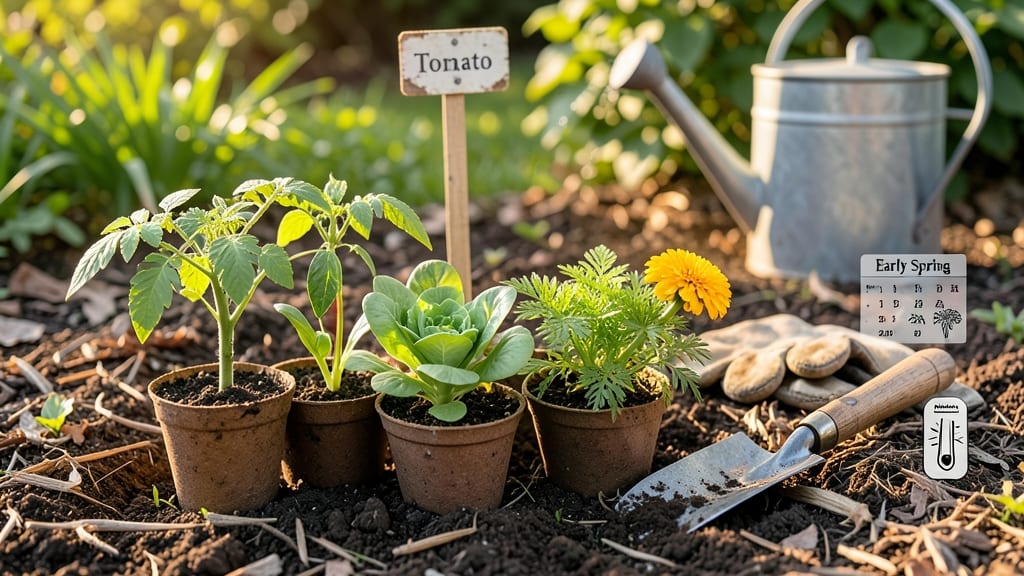
Timing when to plant a garden in North Carolina can mean the difference between a bumper crop and wasted effort—especially when frost dates vary wildly across the state.
Whether you're in the mountains, piedmont, or coastal plains, planting too early risks a late freeze, while waiting too long might cut your harvest short. The key is knowing your zone’s last frost dates and adjusting your schedule accordingly.
I’ve spent years tracking NC’s planting windows, and what I’ve learned is that spring planting isn’t one-size-fits-all. For example, Asheville’s high elevations can have frost as late as May 15, while Wilmington’s coastal warmth often allows early starts by March 1.
The goal? Start seeds or set out transplants when soil temps hit 60°F and the risk of frost is minimal.
This isn’t just about avoiding frost—it’s about maximizing your garden’s potential. Cool-season crops like spinach and broccoli thrive when planted in early spring or late summer, while tomatoes and peppers need warm soil to take off.
I’ll break down the exact deadlines for each NC zone so you can plant with confidence.
Ready to transform your garden from guesswork to guaranteed growth? Let’s dive into the zone-specific planting schedule that’ll keep your 🌱 thriving all season long.
North Carolina planting zones: frost dates and last safe planting deadlines
North Carolina spans USDA hardiness zones 5A-8A, creating dramatic differences in frost timing. The mountains (zone 5A-6A) experience earlier springs and later falls, while the coastal plains (zone 8A) rarely see frost. Understanding these zones helps you avoid late-spring frosts that can devastate tender seedlings.
For example, Asheville (zone 6B) typically sees its last frost around April 15, while Wilmington (zone 8A) might only experience frost once every 5-10 years. These variations mean your planting deadlines should shift based on elevation and location.
Here’s how to use this zone-by-zone guide: First, identify your local frost dates using the table below. Then, adjust planting times for cool-season crops (like lettuce and peas) to go in 6-8 weeks before your last frost.
For warm-season crops (tomatoes, peppers), wait until 2-3 weeks after your last frost date.
| Zone | Last Frost | First Frost | Cool-Season Planting | Warm-Season Planting |
|---|---|---|---|---|
| 5A (Mountains: Boone, Spruce Pine) | April 20 | October 25 | March 15 - April 15 | May 15 - June 1 |
| 6A (Piedmont: Greensboro, Winston-Salem) | April 10 | October 20 | March 1 - April 10 | May 1 - May 15 |
| 7A (Coastal Piedmont: Raleigh, Durham) | March 25 | November 15 | February 15 - March 25 | April 15 - May 1 |
| 8A (Coastal Plains: Wilmington, Fayetteville) | February 15 | December 15 | January 15 - February 15 | March 15 - April 1 |
Notice how the coastal zones have earlier planting windows for both cool- and warm-season crops. This is because the Gulf Stream’s influence keeps temperatures milder year-round. In contrast, mountain zones like Boone have shorter growing seasons, so you’ll need to focus on fast-maturing varieties or use season extenders.
For perennials and trees, timing matters too. Plant bare-root trees in late winter or early spring (before buds swell) to give roots time to establish before summer heat. Herbaceous perennials like lavender or Russian sage can go in early spring or fall, avoiding extreme heat or cold.
Pro tip: Use local weather data to fine-tune these dates. Check resources like the NC State Climate Office or WRAL’s frost alerts for real-time updates. A 5-day forecast before planting can save your garden from unexpected 30°F nights.
If you’re unsure about your exact zone, use the USDA Plant Hardiness Zone Map and enter your ZIP code. Most NC gardeners fall into zones 6A-8A, but microclimates (like urban heat islands in Raleigh) can shift your zone by half a zone.
For container gardening, you can push planting dates slightly earlier or later since pots warm up faster in spring and cool down slower in fall. Just monitor soil temperatures—50°F+ is ideal for most veggies.
Remember: Frost dates are averages. One year, your last frost might be 2 weeks early, while the next year it could be late April. That’s why succession planting and row covers are your best friends in NC’s unpredictable climate. 🌱
Best crops to plant by month in NC (with frost-proof strategies)
North Carolina’s spring and fall seasons offer the best planting windows, but knowing which crops thrive in each month—and how to protect them—is key. Cool-season crops like spinach, kale, and broccoli love early springs, while tomatoes, peppers, and squash need warmer soil.
Let’s break it down month by month to maximize your harvest.
Start with cool-season crops in March and April when soil temperatures rise above 40°F. These hardy plants can handle light frosts, but use row covers if nighttime temps dip below 25°F.
For warm-season crops, wait until May or June when soil is consistently above 60°F—this prevents stunted growth or rot.
Here’s your month-by-month planting guide, including frost-proof strategies to extend your growing season and avoid losses. Whether you’re in the mountains, piedmont, or coast, these tips will help you plant with confidence.
- March-April: Plant cool-season crops like peas, lettuce, spinach, and broccoli. Use row covers for frost protection.
- May: Start warm-season crops like tomatoes, peppers, and cucumbers after last frost. Harden off seedlings first.
- June-July: Plant heat-loving crops such as okra, sweet potatoes, and southern peas. Mulch to retain moisture.
- August-September: Sow fall crops like kale, carrots, and radishes. Use cold frames to extend harvests.
- October-November: Plant frost-tolerant greens (spinach, collards) and garlic for next year’s harvest.
For coastal NC, where winters are milder, you can plant cool-season crops as early as February, while mountain regions may need to wait until late April due to later frosts. Always check local frost alerts (like WRAL’s forecasts) to adjust timing.
Extend your season with row covers, cold frames, or black plastic mulch to warm soil faster. For example, black plastic can raise soil temps by 10-15°F, letting you plant tomatoes 2-3 weeks earlier in spring. Just
Don’t forget succession planting—sow new seeds every 2-3 weeks for crops like lettuce, beans, and carrots. This ensures a steady harvest instead of one big bounty. Pair fast growers (like radishes) with slower ones (like broccoli) to optimize space.
With these strategies, you’ll avoid frost damage and enjoy a longer, more productive growing season—no matter where you garden in NC. Happy planting! 🌿