
Plants
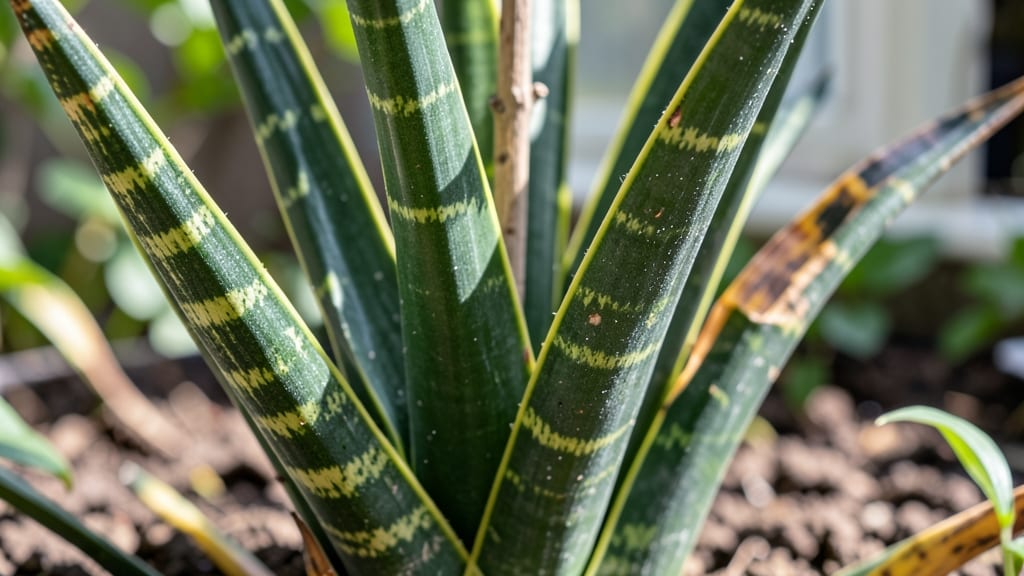
That snake plant 🌿 you swore would thrive in your dim corner is actually begging for better light—but the truth is, how much light does a snake plant require? Most people get it wrong by either drowning it in harsh sun or starving it of brightness.
If your leaves are turning yellow, stretching unnaturally tall, or developing brown tips, your snake plant is silently screaming for a light adjustment. The good news?
Fixing it is easier than you think, and I’ll walk you through exactly how much light this plant truly needs—from bright indirect sun to surprisingly dim corners—so you can finally stop guessing and start growing.
Whether you’re dealing with a dark office, a sun-drenched living room, or somewhere in between, this guide will help you pinpoint the perfect spot.
We’ll cover how to spot light issues, where to place your plant for optimal health, and even how to supplement natural light if your space falls short.
Let’s cut through the confusion and get your snake plant thriving—no more limp leaves or slow growth. Ready to give it the care it deserves?

Snake plant light requirements: ideal sunlight levels for healthy growth
If you're asking how much light does a snake plant require, the answer is simpler than you might expect: this hardy plant thrives in surprisingly low light conditions.
Unlike sun-loving succulents, snake plants (Sansevieria) are masters of adaptability, making them perfect for offices, bathrooms, or even dimly lit corners. Their natural resilience comes from evolved drought and shade tolerance—originally growing in African savannas where direct sun was scarce.
But don't assume "low light" means neglect—balance is key to preventing common issues like yellowing leaves or stunted growth.
The ideal light range for a snake plant spans from bright indirect light to true low-light conditions, with 2-4 hours of filtered sunlight daily being the sweet spot. This flexibility is why they're often called the "foolproof" houseplant.
However, pushing them into direct afternoon sun can scorch their leaves, while placing them in complete darkness slows growth dramatically. Think of their light needs like a dimmer switch—too little or too much throws off their natural rhythm.
Here’s how light intensity impacts your snake plant’s health at a glance:
| Light Condition | Ideal Location | Leaf Color Impact | Growth Rate |
|---|---|---|---|
| Bright Indirect Light (2-4 hrs) | North-facing window, 3-5 ft away | Deep green with subtle variegation | Moderate, healthy |
| Low Light (<2 hrs) | Hallway, office corner, bathroom | Paler green, less contrast | Slow, may stretch |
| Direct Sun (>4 hrs) | South-facing window, no filter | Brown/yellow patches, crispy edges | Stunted, stressed |
| Artificial Light (Grow Bulbs) | Basement, windowless room | Uniform green, no variegation | Steady, slow |
The bright indirect light zone is where snake plants truly shine—literally. Place them near a north-facing window or a few feet back from an east-facing window to mimic their natural habitat.
I’ve seen mine thrive under fluorescent lights in my home office, proving they’re far more adaptable than fussy tropical plants. The key is avoiding harsh midday sun, which can cause leaf burn—look for crispy, white edges as a warning sign.
Even in low light, snake plants won’t die, but they’ll slow their growth and may develop long, leggy leaves as they stretch toward any available light. This is their survival instinct—think of it like a plant version of reaching for a sunbeam!
If you notice this "etiolation," it’s time to rotate the pot or move it closer to a light source. Pro tip: Rotate your snake plant every 4-6 weeks to ensure even growth, regardless of light direction.
For those with south-facing windows, use a sheer curtain to diffuse the intensity. I’ve placed mine on a plant stand 5 feet from the window, and they’ve thrived without any signs of stress.
The goal is to replicate the dappled shade of their African savanna home—where they’d bask under acacia trees but avoid the harshest rays.
One common misconception is that snake plants need no light at all. While they’re drought-tolerant, they’re not light-independent. Even in dim conditions, they’ll grow, but their leaves may lose their striking variegation and become bland.
If you’re dealing with a windowless room, invest in a full-spectrum LED grow light (like the Samsung LC27J751 27-inch) for 10-12 hours daily. I’ve had success with mine under these lights—just keep them 6-12 inches away for optimal results.
Watch for these tell-tale signs of light issues:
- Too little light: Pale leaves, elongated stems, slow growth
- Too much light: Brown tips, yellow patches, crispy edges
- Perfect light: Deep green with sharp edges, upright growth
Remember, snake plants are like the low-maintenance roommates of the plant world—they’ll survive in almost any light, but they’ll thrive when given the right balance.
Next time you’re wondering how much light does a snake plant require, think of it this way: they’d rather be slightly underlit than scorched. 🌿
How to adjust light conditions: fixing common snake plant light problems
If your snake plant is showing signs of light stress, don’t panic—fixing the issue is often as simple as repositioning or adjusting your care routine.
The most common light-related problems stem from either too much direct sun or insufficient brightness, both of which throw off the plant’s natural balance.
I’ve seen brown-tipped leaves from scorching and pale, stretched-out growth from low light, but with a few tweaks, you can bring your snake plant back to health. Start by diagnosing the issue using the visual cues from your plant’s leaves.
The first step is to identify the problem. If your snake plant has yellowing leaves or crispy brown edges, it’s getting too much direct sunlight, especially if the damage appears on the side facing the window.
On the other hand, if the leaves are pale, elongated, and reaching upward, it’s stretching toward light—a classic sign of low-light conditions. These visual clues are your plant’s way of communicating, so pay attention to the details. Once you’ve pinpointed the issue, the solution is straightforward.
Snake plants can burn in direct afternoon sun. If you notice white or brown patches on leaves, move the plant immediately to a shadier spot. South-facing windows are the biggest culprits—use a sheer curtain to diffuse the light if you can’t relocate the plant.
For plants suffering from too much light, the fix is simple: move it away from the window. Start by placing it 3-5 feet back from an east or west-facing window, or use a light filter like a sheer curtain.
I’ve had great success with white lace curtains, which soften the light without blocking it entirely. If your snake plant is already in a south-facing window, consider relocating it to a north-facing window or a spot across the room.
Even a few feet makes a big difference in preventing leaf burn.
If your snake plant is stretching toward the light, it’s time to increase its brightness. Start by moving it closer to a window—even just a few inches can help. If you don’t have natural light options, a grow light is your next best bet.
LED grow lights are energy-efficient and mimic sunlight perfectly. Place the light 6-12 inches above the plant and keep it on for 10-12 hours daily. I’ve used a 10-watt LED bulb in my basement, and my snake plants grew steadily without any stretching.
Another quick fix for low-light issues is to rotate your plant every 4-6 weeks. This ensures all sides get equal exposure, preventing lopsided growth. I rotate mine clockwise each month, and the difference in even, upright leaves is noticeable.
If you’re dealing with a windowless room, group your snake plants together—they’ll share light more efficiently. Even a bright hallway or well-lit bathroom can work if you position them near a light source.
Remember, snake plants are forgiving, but they do need some light to thrive. If you’ve adjusted the placement and still see issues, check your watering habits—overwatering stressed plants can worsen problems. Let the soil dry out completely between waterings, and always use a pot with drainage holes.
With the right light balance, your snake plant will bounce back in 4-6 weeks, regaining its deep green color and sturdy growth.
Don’t let light issues discourage you—snake plants are resilient, and a little adjustment goes a long way. Whether you’re dealing with too much sun or not enough light, the key is observation and small changes.
Next time you notice your plant struggling, think of it as a chance to fine-tune its environment for the best results. 🌱