
Plants
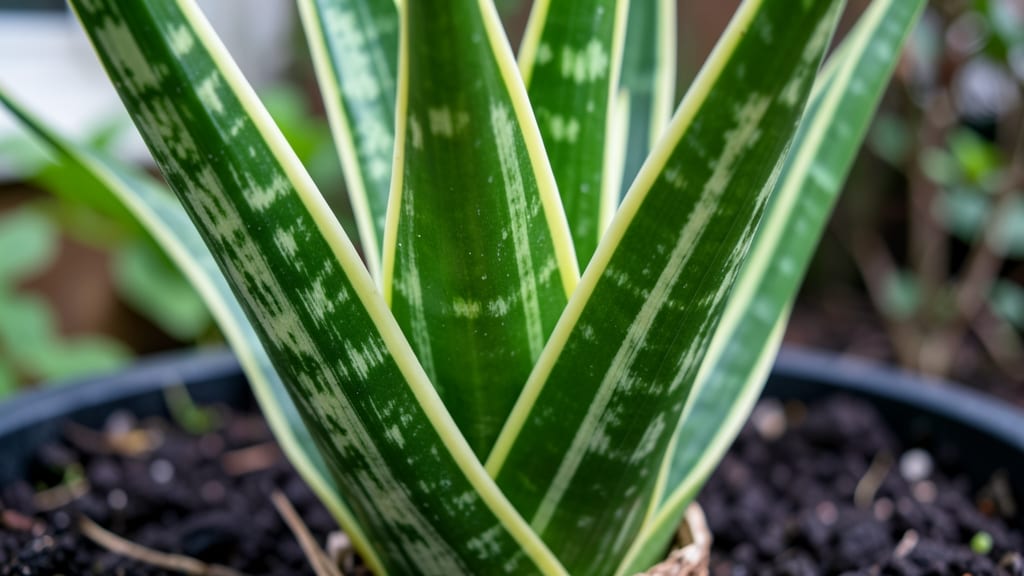
If you’re dreaming of a lush, towering snake plant 🌱 that adds drama to your space, you’ll want to know exactly how tall these resilient beauties can grow—because the answer might surprise you.
Some varieties stretch toward the ceiling, while others stay compact, making them perfect for small apartments or large living rooms alike.
The key to unlocking your snake plant’s full height potential lies in its variety, container size, and light exposure. For example, the classic Sansevieria trifasciata can reach 4 feet indoors with the right care, while the smaller 'Hahnii' variety tops out around 1 foot.
Understanding these differences helps you choose the perfect fit for your home.
But here’s the thing: growth isn’t just about genetics—it’s also about how you nurture your plant. Whether you’re dealing with a tall variety or a compact one, I’ll break down the care strategies that keep your snake plant thriving at its ideal height, from pruning tips to light adjustments.
Ready to learn how to guide your snake plant’s growth? Let’s dive into the factors that shape its height and how you can influence them—so you can enjoy a stunning, healthy plant for years to come.

Snake plant height limits: indoor growth expectations by variety
Snake plants (Sansevieria trifasciata) are famous for their hardiness, but their height potential varies dramatically by variety. While some stay compact enough for small spaces, others can grow tall enough to rival your ceiling fan.
Understanding these differences helps you choose the right plant for your home and manage its growth effectively.
The most common varieties—like 'Laurentii' and 'Futura Superba'—typically reach 2 to 4 feet tall indoors. However, dwarf varieties such as 'Hahnii' (also called "Bird’s Nest") max out around 1 to 2 feet, making them perfect for shelves or desks.
Your snake plant’s height also depends on light exposure, pot size, and whether it’s grown indoors or outdoors.
Here’s a quick comparison of popular varieties and their mature heights:
| Variety | Mature Height (Indoors) | Growth Habit | Ideal Pot Size |
|---|---|---|---|
| Sansevieria trifasciata 'Laurentii' | 3–4 ft | Upright, vertical | 12–16 inches wide |
| Sansevieria 'Futura Superba' | 2–3 ft | Compact, bushy | 10–12 inches wide |
| Sansevieria 'Hahnii' (Bird’s Nest) | 1–2 ft | Rounded, rosette | 6–8 inches wide |
| Sansevieria 'Moonshine' | 2–3 ft | Upright, slender | 10–14 inches wide |
| Sansevieria 'Twist' | 2–3.5 ft | Twisted leaves, upright | 12–16 inches wide |
Light plays a critical role in determining how tall your snake plant grows. In low-light conditions, most varieties grow slower and stay shorter, often reaching only half their maximum height.
For example, a 'Laurentii' in a dim corner might max out at 2 feet instead of 4. Conversely, bright indirect light encourages faster, taller growth—sometimes up to 50% taller than expected.
Pot size also affects height. Snake plants in smaller pots (under 6 inches wide) grow slower and remain more compact, while those in large containers (12+ inches) can stretch taller as they compete for space.
If you’re worried about a plant becoming too tall, opt for shallow, wide pots to encourage bushier growth instead of vertical stretching.
Outdoor snake plants generally grow taller and fuller than their indoor counterparts, thanks to more natural light and space. In USDA Zones 9–11, they can reach 5 to 6 feet tall if left unpruned.
However, even outdoors, their growth rate slows significantly in winter months, with minimal new growth until spring.
One common misconception is that snake plants grow quickly. In reality, they’re slow growers, adding only 2 to 4 inches per year under ideal conditions.
Patience is key—don’t expect dramatic height changes overnight! With the right care, though, your snake plant can become a stunning vertical statement piece in your home.
🌱
Snake plant height limits: indoor growth expectations by variety
Your snake plant’s height isn’t just a matter of luck—it’s determined by its variety, container size, and light exposure. Some varieties stretch toward the ceiling, while others stay compact, making them perfect for small apartments or large living rooms alike.
For example, the classic Sansevieria trifasciata (also called 'Mother-in-Law’s Tongue') can reach 4 feet indoors with ideal care, while the smaller 'Hahnii' variety (often called 'Bird’s Nest') tops out around 1 foot.
Even within the same species, growth habits vary. The 'Futura Superba' variety, for instance, grows 3-4 feet tall with long, slender leaves, while 'Laurentii' stays slightly shorter at 2-3 feet but boasts striking yellow-edged foliage.
These differences mean you can choose a snake plant that fits your space perfectly—whether you want a floor-filling statement or a compact tabletop plant.
Here’s the key factor: container size directly impacts height. Snake plants in small pots (6-8 inches) grow slower and stay shorter, while those in large containers (12+ inches) can reach their maximum height faster.
For example, a 'Moonshine' variety in a 10-inch pot might stay around 2 feet, but the same plant in a 16-inch pot could hit 3 feet within 3-4 years.
Light exposure plays a surprising role too. While snake plants tolerate low light, they grow 20-30% taller in bright indirect light. Placing your plant near a north-facing window encourages steady growth, whereas dim corners can stunt its height.
Just avoid direct sunlight—it can scorch the leaves and slow growth.
| Variety | Mature Height (Indoors) | Growth Rate | Ideal Pot Size |
|---|---|---|---|
| Sansevieria trifasciata | 3-4 ft | 2-4 in/year | 12-16 in |
| 'Futura Superba' | 3-4 ft | 3-5 in/year | 14-18 in |
| 'Hahnii' | 1-1.5 ft | 1-2 in/year | 6-8 in |
| 'Laurentii' | 2-3 ft | 2-3 in/year | 10-12 in |
| 'Moonshine' | 2-3 ft | 2-4 in/year | 8-10 in |
If you’re working with limited space, opt for 'Hahnii' or 'Moonshine'—both stay under 3 feet and thrive in smaller pots. For a bold statement, 'Futura Superba' or the classic trifasciata will fill vertical space beautifully.
Just remember: even tall varieties grow slowly, adding only 2-4 inches per year under ideal conditions.
Pro tip: Rotate your plant every 6 months to ensure even growth. This simple step prevents lopsided development and helps your snake plant reach its full, balanced height potential.
With the right variety and care, your plant will become the perfect vertical accent—whether it’s a compact desk companion or a ceiling-grazing centerpiece.