
Plants
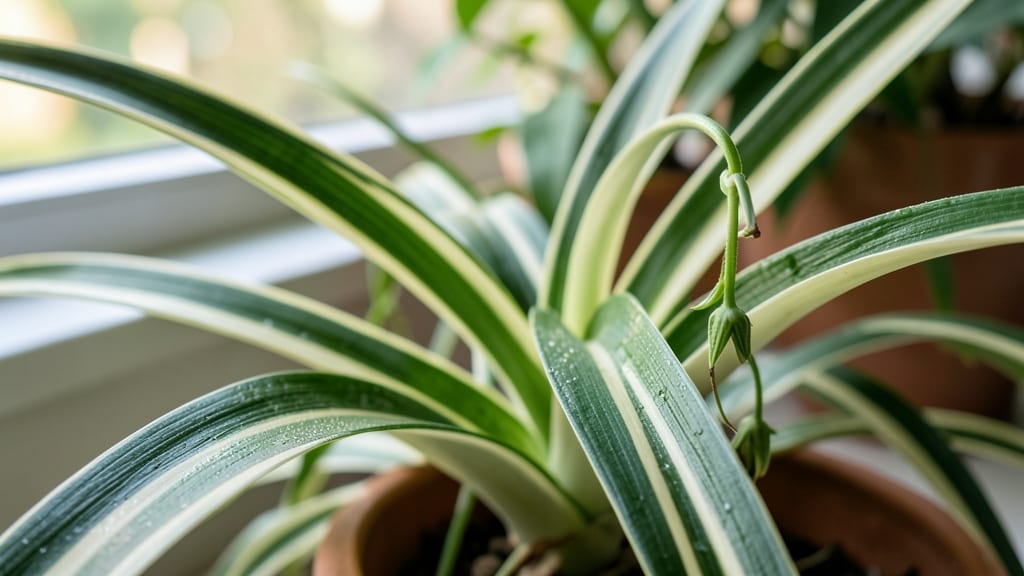
If your 🕷️ spider plant looks more like a sad, limp shadow than a vibrant green beauty, you might be getting how much light does a spider plant need indoors wrong.
The truth is, these hardy plants thrive in conditions most of us take for granted—bright indirect light is their sweet spot, but they’ll survive in lower light too, if you know the tricks.
I’ve watched my own spider plants go from drooping and yellowing to lush and full just by tweaking their light exposure. The key isn’t blasting them with harsh sunlight or hiding them in dark corners—it’s finding that perfect balance where they get enough light to grow without getting scorched.
Let me show you exactly how to spot the right spot in your home.
You’ll learn how to tell if your plant is begging for more light (or too much of it) and how to adjust its placement without turning your living room into a greenhouse.
Whether you’re dealing with a dim apartment or a sunroom that’s almost too bright, these tips will help your spider plant flourish year-round.
No more guessing games—just clear, actionable advice to keep your plant happy, healthy, and ready for propagation. Let’s get started!

Ideal light requirements for spider plants: bright indirect light explained
Your spider plant thrives in bright indirect light, making it perfect for most indoor spaces. Unlike sun-loving plants, it avoids harsh rays that can scorch its arching green-and-white leaves.
The key is finding that sweet spot where it gets plenty of natural light without direct exposure—think dappled sunlight through a sheer curtain.
In nature, spider plants grow under forest canopies, where sunlight filters through leaves above. Recreating this environment indoors means placing your plant near a north or east-facing window, where morning light is gentler.
South or west windows can work too, but only if you place the plant 3-5 feet away to prevent leaf burn.
Here’s how to spot the perfect light balance for your spider plant:
| Light Condition | Leaf Color | Growth Rate | Signs of Stress |
|---|---|---|---|
| Bright Indirect Light | Vibrant green & white stripes | Moderate, healthy | None |
| Low Light | Dull green, less variegation | Slow, leggy growth | Long, sparse stems |
| Direct Sunlight | Yellow/brown patches | Stunted, crispy edges | Burnt leaf tips |
If your spider plant’s leaves turn dull green and lose their white stripes, it’s craving more light. Move it closer to a window or rotate the pot quarter-turn weekly to ensure even exposure.
On the flip side, if you notice brown tips or yellow patches, it’s getting too much direct sun—relocate it immediately to a shadier spot.
Pro tip: Variegated spider plants (with white stripes) need slightly more light than solid-green varieties to maintain their striking patterns. Aim for 4-6 hours of bright indirect light daily to keep those stripes popping.
A quick test? Hold your hand near the plant—if you can’t see your shadow clearly, it’s likely getting enough light.
Seasonal changes can throw off your spider plant’s light routine. In winter, when days are shorter, supplement with a grow light for 6-8 hours daily if natural light drops below 4 hours.
In summer, watch for stronger afternoon sun and adjust placement accordingly. A sheer curtain can diffuse harsh rays while still letting in plenty of light.
Don’t assume all indoor spaces are equal! North-facing rooms often have softer light, while south-facing rooms can be intense. Test different spots by moving the plant temporarily and observing its reaction over 1-2 weeks.
Your spider plant will thank you with longer, fuller leaves and more frequent baby spiderettes (those cute little offsets!).
Remember, spider plants are forgiving—they can tolerate low light for short periods, but long-term neglect will stunt their growth. The goal is to keep them happy and healthy, not perfect.
With the right light, your spider plant will reward you with vibrant foliage and easy propagation for years to come.
🌱🕷️✂️
How to adjust your home’s lighting for a thriving spider plant
Adjusting your home’s lighting for a spider plant isn’t about drastic changes—it’s about making small, strategic tweaks to mimic its natural habitat. Start by observing your plant’s current location.
If it’s near a south or west window but showing signs of leaf burn, move it 3-5 feet back or add a sheer curtain to diffuse the light.
I once had mine too close to a sunny window, and within days, the tips turned crispy—until I moved it to a spot where the light was softer.
For north or east-facing windows, your spider plant is likely getting just the right amount of light. These spots provide gentle morning sun without the harsh afternoon rays.
If your plant looks leggy or the leaves are dull green, it’s not getting enough light—try rotating the pot quarter-turn weekly to ensure even exposure. This simple habit can make a huge difference in how evenly your plant grows.
Placing your spider plant directly in front of a window can cause sunburn. Even if it’s a north-facing window, the intensity of light can still be too strong. Always test a new spot for 1-2 weeks before committing—watch for yellowing or brown tips as red flags.
Seasonal shifts can throw off your spider plant’s light routine. In winter, when daylight is shorter, supplement with a LED grow light placed 6-12 inches above the plant for 6-8 hours daily.
I use a 10-watt bulb on a timer, and it’s made all the difference in keeping my plant vibrant during the darker months. For summer, watch for stronger afternoon sun—close curtains or move the plant to a shadier corner by midday if needed.
If you’re dealing with a dim apartment, don’t despair—spider plants are low-light tolerant and can thrive with just 2-3 hours of indirect light daily. Place it near a bright room, like a bathroom with a skylight or a hallway with natural light.
For extra help, rotate the pot weekly to prevent uneven growth. I’ve seen spider plants in offices with fluorescent lighting survive just fine, though they may grow slower and produce fewer baby spiderettes.
Artificial lighting can be a game-changer in low-light spaces. A full-spectrum LED grow light is your best bet—look for one with a color temperature of 5000-6500K to mimic natural daylight. Place it 12-18 inches away from the plant and use it for 10-12 hours daily.
I tested a $20 grow light from a hardware store, and it worked surprisingly well for my plant in a basement office. Just avoid keeping it on 24/7, as spider plants need 8-10 hours of darkness to rest.
Pro tip: Use a light meter app (like Light Meter for smartphones) to measure the lux levels in different spots. Aim for 500-1000 lux for ideal growth—anything below 300 lux will slow your plant down.
I placed my spider plant in a spot with 800 lux, and within a month, the leaves were fuller and greener than ever. Small adjustments like these can turn a struggling plant into a showstopper.
🪴☀️🌿