
Plants
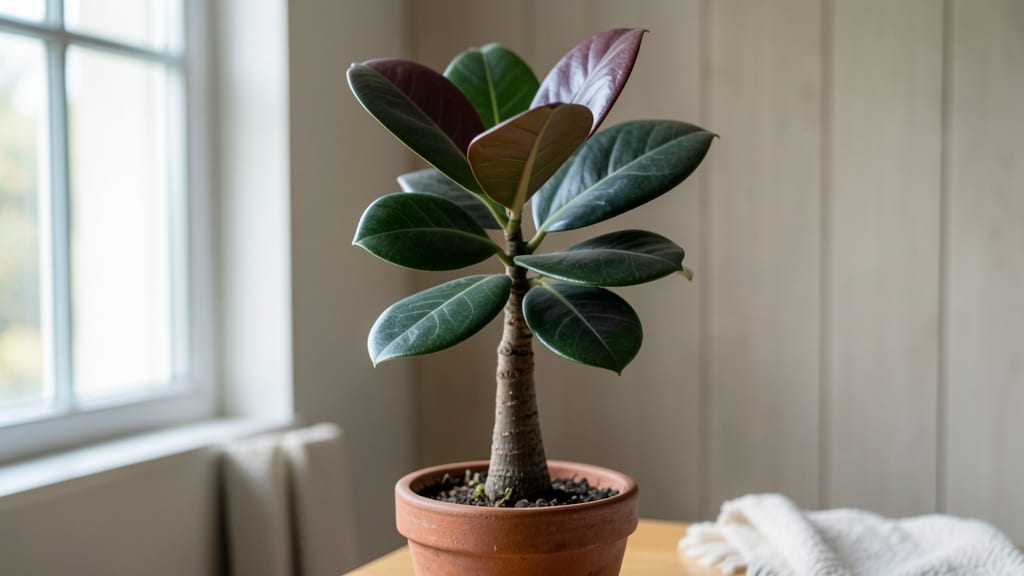
Wondering how tall does a rubber plant grow before it becomes a ceiling-crushing giant? That glossy, deep green foliage might seem harmless now, but this tropical plant has a surprising growth spurt waiting to happen—especially if you’re not careful with its care.
In ideal conditions, a rubber plant (🌿 Ficus elastica) can reach 6 to 10 feet tall indoors, turning your living room into a vertical jungle faster than you’d expect.
But don’t panic—with the right pruning and light management, you can keep it compact or even train it to climb. The key is understanding what fuels its rapid growth.
Light exposure is the biggest factor—too much sun scorches the leaves, while too little slows growth but keeps it manageable. Pot size matters too: cramped roots mean stunted growth, while roomy containers encourage that towering habit.
Let’s break down exactly how to control its height so your rubber plant stays the star of the room without stealing your ceiling space.
Whether you’re dealing with a 3-foot dwarf variety or a skyrocketing standard type, knowing these growth triggers will help you shape your plant’s future—whether you want a bushy tabletop centerpiece or a lush, floor-length statement piece. Ready to take control?

Average rubber plant height by indoor conditions: what to expect
Your rubber plant (Ficus elastica) can reach 6 to 10 feet tall indoors with proper care, though many varieties stay between 3 and 6 feet in typical home settings. The key difference?
Light exposure, pot size, and pruning habits. Without intervention, these tropical plants grow vertically fast—sometimes 1 to 2 feet per year—but they’re also adaptable to smaller spaces with the right techniques.
If you’re planning your layout, consider this: A mature rubber plant in ideal conditions can surpass 9 feet, while a neglected one might only reach 3 feet. The variation isn’t just about genetics—it’s about how you nurture it.
For example, my ‘Burgundy’ rubber plant hit 5 feet in 3 years with consistent care, but a friend’s plant in dim light barely grew past 2 feet in the same time.
Here’s the critical insight: Height isn’t set in stone. With strategic pruning and light management, you can keep your rubber plant compact or let it grow wild. The table below breaks down what to expect based on common indoor conditions—so you can plan accordingly.
| Care Factor | Height Range (Indoors) | Growth Timeline |
|---|---|---|
| Bright indirect light | 6–10 ft | 3–5 years to mature |
| Low light (e.g., north window) | 3–5 ft | 5+ years to mature |
| Regular pruning (topped at 3–4 ft) | 3–6 ft (controlled) | Ongoing maintenance |
| Large pot (12"+ diameter) | 8–10 ft (if unpruned) | 2–3 years to mature |
| Small pot (6–8" diameter) | 3–5 ft (root-bound) | 4+ years to mature |
Notice how pot size and light exposure drastically alter growth rates? A rubber plant in a 12-inch pot with bright light can shoot up 2 feet per year, while the same plant in a small pot with low light might only grow 6 inches annually.
This is why so many people are surprised when their rubber plant suddenly outgrows its space—it’s not just about time, but about the right conditions.
Another critical factor is pruning frequency. If you never trim your rubber plant, it’ll focus all its energy on vertical growth. But if you prune it annually in spring, you can encourage bushier growth and keep it under 5 feet.
I prune mine every year to maintain a 4-foot height, and it’s thrived for over 5 years without becoming unruly.
For those with ceiling-height ceilings (8+ feet), your rubber plant has room to grow wild—just expect it to reach 9–10 feet if unpruned. In smaller spaces, aim for 3–5 feet by combining regular pruning with moderate light.
The good news? Even if it gets too tall, rubber plants respond well to hard pruning, so you can always reset its size.
Pro tip: If you want a bushier, shorter rubber plant, prune the top third of the stem in spring. The plant will send out new shoots from lower nodes, creating a fuller shape.
I’ve used this trick to turn a 6-foot leftover into a 3-foot bush—and it’s just as healthy!
Finally, remember that outdoor rubber plants (in USDA zones 9–11) can grow even taller—sometimes 15+ feet—since they have more space and sunlight. But indoors, stick to the 3–10 foot range and adjust based on your care routine.
Now that you know what to expect, let’s dive into the 5 key factors that control your rubber plant’s height—and how to tweak them for your space. 🌿
Average rubber plant height by indoor conditions: what to expect
Your rubber plant’s final height depends almost entirely on its growing conditions. Without intervention, most Ficus elastica varieties will reach 6 to 10 feet tall indoors within 3–5 years. That’s why so many plant parents wake up one morning to find their ceiling fan now doubles as a leafy canopy!
The key difference between a 3-foot tabletop plant and a 10-foot living room tree comes down to three factors: light exposure, pot size, and pruning habits. Let’s break down what to expect based on these variables.
🌱 Rubber Plant Height Guide by Care Conditions
| Care Condition | Height Range (Indoors) | Time to Mature | Growth Tips |
|---|---|---|---|
| Low Light (North Window) | 3–5 ft | 5+ years | Slow growth; prune to encourage bushiness |
| Bright Indirect Light | 5–8 ft | 3–4 years | Ideal balance; prune annually for shape |
| Direct Sun (South Window) | 6–10 ft | 2–3 years | Risk of leaf scorch; rotate pot monthly |
| Cramped Pot (<12" diameter) | 3–5 ft | 4+ years | Repot every 2 years for faster growth |
| Room-Sized Pot (16"+ diameter) | 8–12 ft | 2–3 years | Encourages rapid vertical growth |
Notice how bright indirect light and larger pots accelerate growth? That’s because rubber plants are tropical escapees—they’ll stretch toward any light source and fill available space. The good news? You can train their height by adjusting these conditions or pruning strategically.
For example, my ‘Black Prince’ rubber plant hit 7 feet in just 2 years because I placed it near a south-facing window and forgot to prune it. The lesson?
If you want a compact plant, give it moderate light and regular pruning every 6 months. For a tall statement plant, maximize light and pot size.
Pro tip: Rotate your plant quarter-turns every 2 weeks to prevent lopsided growth. This ensures even light exposure and keeps the stem straight—no more leaning toward the window like a sun-worshipping sunflower! 🌿