
Companion Plants
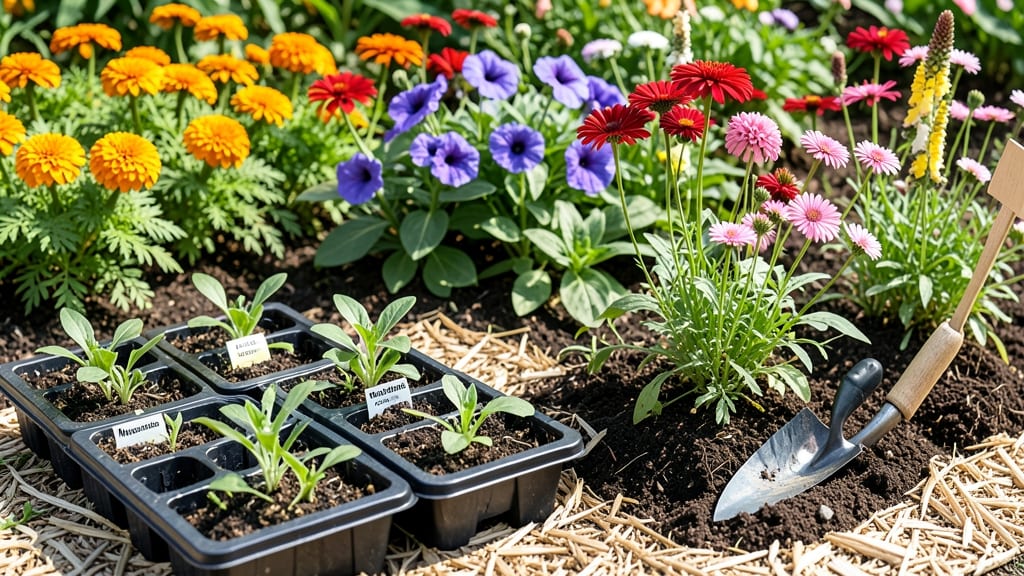
When can I plant annuals in Zone 7? Timing your annuals just right could mean the difference between a vibrant garden and a sad, frost-nipped disappointment. The exact window to plant—whether it's cool-loving pansies or heat-happy marigolds—depends on when your last frost typically arrives, and those dates can vary by 2-3 weeks across the region.
Most gardeners in Zone 7 wait until after March 15 to plant warm-season annuals, but cooler varieties like lettuce or snapdragons can go in the ground 6-8 weeks before that date.
The key is knowing your local microclimate—whether you're in Atlanta's urban heat sink or Raleigh's cooler valleys—and how to adjust for it.
I've spent years tracking planting windows, and what I've learned will help you avoid common mistakes like planting too early and risking frost damage or waiting too long and missing peak blooms.
Let me walk you through the exact timing, regional adjustments, and pro tips to get your annuals off to the strongest start.
From extending your season with row covers to choosing the right varieties for your area, you'll discover how to maximize your garden's potential without guessing. Ready to turn your Zone 7 garden into a year-round showstopper? Let's get started.
Zone 7 last frost dates and exact weeks to plant annuals by type
Zone 7 spans a wide geographic area from the Midwest to the Southeast, with last frost dates ranging from mid-March in the southernmost parts to early April in northern reaches.
For most of Zone 7, the average last frost date falls around March 15, but microclimates—like urban heat islands or valleys—can shift this by 1-2 weeks. Always check your local Almanac or USDA Plant Hardiness Map for precision.
Annuals in Zone 7 are typically divided into cool-season and warm-season varieties. Cool-season annuals, like pansies and lettuce, can handle light frosts and should be planted 4-6 weeks before your last frost date.
Warm-season annuals, such as marigolds or tomatoes, need to wait until 2-3 weeks after the last frost when soil temperatures reach at least 60°F.
Here’s how to calculate your exact planting window: Subtract 6 weeks from your last frost date for cool-season plants and add 2 weeks for warm-season plants. For example, if your last frost is March 31, plant cool-season annuals by February 20 and warm-season annuals after April 15.
Zone 7a (colder sub-zone) may experience 1-2 extra weeks of frost risk, while Zone 7b (warmer) might allow 1-2 weeks earlier planting. Cities like Atlanta (Zone 7b) often see last frosts by March 15, while Richmond (Zone 7a) may hold off until March 31.
Use these regional adjustments to fine-tune your schedule.
For fall planting, aim to sow warm-season annuals 6-8 weeks before your first frost (typically November 15 in Zone 7). Cool-season annuals can often handle light frosts and may be planted until October 1 or later, depending on your microclimate.
| Annual Type | Planting Window (Zone 7) | Soil Temp Requirement | Examples |
|---|---|---|---|
| Cool-Season Annuals | 4-6 weeks before last frost | 40-50°F | Pansies, Lettuce, Spinach |
| Warm-Season Annuals | 2-3 weeks after last frost | 60°F+ | Marigolds, Tomatoes, Basil |
| Heat-Tolerant Annuals | After soil reaches 70°F | 70°F+ | Lantana, Portulaca, Okra |
| Fall Planting (Warm-Season) | 6-8 weeks before first frost | 60°F+ | Basil, Marigolds, Zinnias |
Container planting in Zone 7 follows the same timing rules but requires extra caution. Pots heat up faster than soil, so warm-season annuals like peppers may need to wait until late April or May to avoid root stress.
Use thermometers to monitor soil temps and opt for heat-resistant containers (like black plastic) to warm soil more quickly.
For succession planting of warm-season crops (e.g., bush beans or radishes2-3 weeks after your initial planting date. This ensures a continuous harvest throughout the growing season. In Zone 7, this typically means planting 3-4 batches of fast-growing annuals like lettuce or bok choy.
Always monitor local weather forecasts in the weeks leading up to planting. A late frost can push back your schedule by 1-2 weeks, while an early warm spell might allow you to plant heat-loving annuals like sunflowers as early as mid-April in Zone 7b. Flexibility is key!
Pro tip: Mark your calendar with 3 key dates—last frost, soil warm-up (for warm-season plants), and first frost (for fall planting). This visual reminder will keep you on track for a bountiful annual garden all season long. 🌸
How to extend your planting season in Zone 7: cold frames, row covers, and succession planting
Zone 7 gardeners know the growing season feels short—especially when you love long-blooming annuals or continuous vegetable harvests. But with the right tools, you can push your planting windows by 4-6 weeks earlier in spring or 3-4 weeks later in fall.
I’ve used cold frames and row covers to keep lettuce growing through light frosts and extend tomato harvests into October. Here’s exactly how to do it.
Start with cold frames for cool-season crops like spinach or kale. These unheated glass boxes trap heat during the day and protect plants from 28°F temperatures. Place them on south-facing slopes to maximize sunlight exposure.
For even more protection, add a floating row cover (also called frost cloth) over seedlings—it raises soil temps by 3-5°F and shields tender plants from light frosts down to 25°F.
🌱 Extend Your Season: Pro Tips
- 📅 Spring Start: Use row covers 4-6 weeks before last frost for early broccoli or cauliflower.
- ☀️ Sunlight Boost: Place cold frames on south-facing slopes for 20% more heat retention.
- 🌿 Fall Harvest: Succession plant basil or bush beans every 2 weeks until September 1.
- 💧 Water Wisdom: Reduce watering under covers—condensation can drown roots.
For warm-season annuals like tomatoes or peppers, succession planting is your secret weapon. Instead of one big planting in May, stagger seeds every 2-3 weeks until July 15. This ensures a steady supply of fresh veggies while avoiding the mid-summer heat crash that can stress plants.
I’ve had cherry tomatoes ripening through October using this method—just mulch heavily to keep roots cool.
Don’t forget microclimates! Urban areas like Atlanta or Richmond can be 5-10°F warmer than rural zones due to heat islands. Plant heat-loving annuals like marigolds or okra in these spots 1-2 weeks earlier.
Conversely, valleys or shaded areas may need extra protection—use row covers longer in these spots.
Test your soil temperature with a soil thermometer before planting. Warm-season crops need soil at 60°F+, while cool-season plants tolerate 40-50°F. If temps are too cold, wait or use black plastic mulch to warm the soil 5-7°F faster.
I’ve seen cucumbers germinate 2 weeks earlier with this trick!
With these strategies, you’ll turn Zone 7’s 180 frost-free days into a 240-day growing season—plenty of time for two full harvests of annual veggies or nonstop blooms from spring to frost.
The key is starting small: try one cold frame or a single succession planting this year, then expand next season.