
Plants
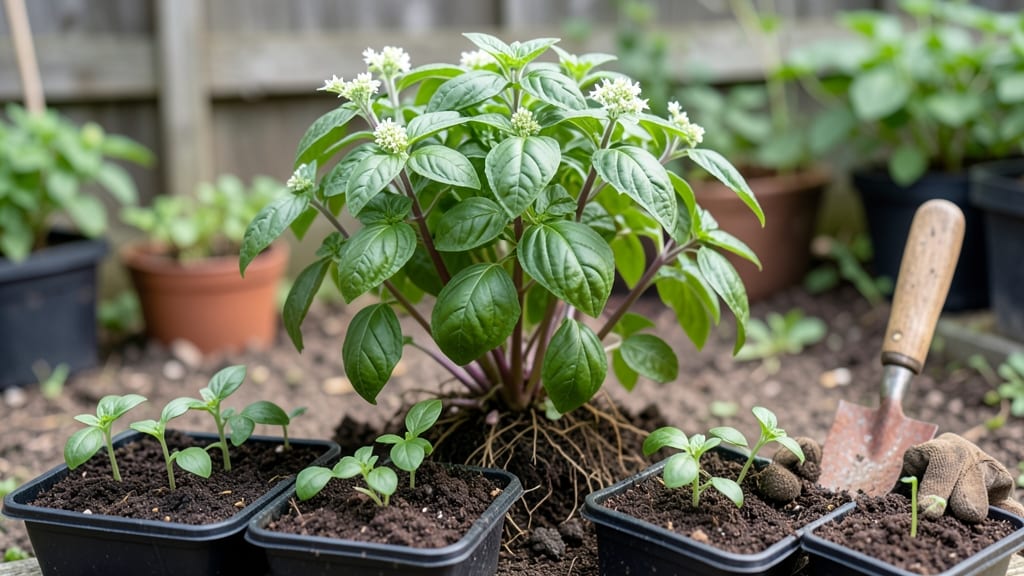
Timing your basil planting in Michigan right means the difference between a thriving herb garden and a sad, frost-nibbled disappointment. With Michigan's unpredictable 5b-6b climate, getting the window just right is everything—especially when you're dreaming of fresh 🌿 basil for your summer pasta.
Most gardeners here make the mistake of rushing outdoors too early, only to watch their tender seedlings wilt when temperatures dip.
The key is patience: wait until after the last frost—typically mid-April in southern Michigan and a little later in the northern half—when soil temperatures hit at least 50°F for consistent germination.
But here's the secret: you don't have to wait until spring to start. I'll show you exactly how to begin basil indoors in March, giving you a head start that translates to bigger, healthier plants by planting time.
Plus, I'll cover regional tweaks so whether you're in Detroit or Traverse City, you'll know the perfect moment to move those seedlings outside.
Ready to grow basil that tastes like summer all season long? Let's break down the exact planting schedule, soil prep tips, and even how to stretch your harvest well into September—no matter which part of Michigan you call home.
Michigan last-frost dates by Zone: best times to plant basil
Michigan’s hardiness zones 5b-6b create distinct planting windows for basil. In Zone 5b (northern Michigan), the average last frost date is around May 15, while Zone 6a-6b (southern Michigan) typically sees frost-free conditions by April 20-May 1.
These dates mark when you can safely plant basil outdoors, but soil temperature matters just as much as air temperature.
Basil thrives when soil reaches at least 50°F (10°C). In Michigan, this usually aligns with mid-April to early May in southern regions, but northern areas may need to wait until late May. Using a soil thermometer ensures you’re planting when conditions are truly optimal for germination and growth.
For direct sowing, aim for 2-3 weeks after your last frost date. This buffer accounts for unpredictable late frosts that can damage tender basil seedlings. If you’re starting indoors, begin seeds 6-8 weeks before the last frost to have robust transplants ready for outdoor planting.
Here’s a quick reference for Michigan’s last-frost dates by zone and corresponding basil planting windows:
| Zone | Last Frost Date | Planting Window | Soil Temp for Planting |
|---|---|---|---|
| 5b (Northern MI) | May 15 | Late May | 50°F+ |
| 6a (Central MI) | April 25 | Early May | 50°F+ |
| 6b (Southern MI) | April 20 | Mid-April | 50°F+ |
If you’re in Zone 5b, consider using row covers to extend your planting window by 2-3 weeks. These lightweight fabrics protect seedlings from late frosts while allowing sunlight and water to penetrate.
For Zone 6a-6b, you can even direct-sow basil as early as mid-April if soil temperatures are consistently warm.
For container gardening, basil can be planted slightly later than in-ground plants because containers warm up faster. However, ensure your pots are in a location that receives full sun (6+ hours daily) and use well-draining soil to prevent root rot.
Always monitor weather forecasts in the days leading up to your planned planting date. A sudden cold snap can devastate young basil plants, so be prepared to cover them with frost cloth if temperatures dip below 40°F (4°C).
Once planted, basil grows quickly—expect harvest-ready leaves in 4-6 weeks if conditions are ideal. Pinching off flowers encourages bushier growth and delays bolting, ensuring a longer harvest season.
Pro tip: Mark your calendar for October 15, Michigan’s average first frost date. This is when you’ll need to harvest or bring potted basil indoors before temperatures drop below 45°F (7°C), which can stunt growth.
Michigan last-frost dates by Zone: best times to plant basil
Michigan’s last-frost dates vary dramatically from south to north, making it critical to know your USDA zone before planting basil. In Zone 6a (northern Michigan), the average last frost hits around May 15, while Zone 5b (southern Michigan) typically warms up by April 20.
These dates determine whether you’ll be planting basil indoors in March or waiting until late April.
But frost dates aren’t the whole story—soil temperature matters just as much. Basil seeds won’t germinate reliably until the soil reaches 50°F. In cooler zones, this often means waiting until late May for direct sowing, while warmer southern regions can start as early as mid-April.
Always test soil warmth with a soil thermometer before planting.
Here’s the exact planting timeline for each zone, including when to start seeds indoors and when to transplant outdoors:
| Zone | Avg. Last Frost | Indoor Start (Seeds) | Transplant Outdoors | Direct Sow Window |
|---|---|---|---|---|
| Zone 5b (Southern MI) | April 20 | March 15 | April 25-May 5 | April 25-May 15 |
| Zone 6a (Northern MI) | May 15 | April 1 | May 20-June 1 | May 20-June 10 |
| Zone 6b (Southwest MI) | April 10 | March 1 | April 15-May 1 | April 15-May 10 |
If you’re in Zone 6b (like Grand Rapids or Kalamazoo), you can often get an earlier start by using row covers or a cold frame to protect seedlings from late frosts.
For northern zones, focus on hardy varieties like 'Spicy Globe', which tolerate cooler temperatures better than standard sweet basil.
Pro tip: Use a frost calendar from your local Michigan State University Extension office for hyper-localized advice. These calendars account for microclimates—like urban heat islands or lakeside cooling effects—that can shift your planting window by 1-2 weeks.
Remember, basil thrives on warmth and consistency. Once you’ve planted, keep soil temperatures above 60°F for optimal growth, and avoid transplanting when nighttime temps dip below 55°F. With the right timing, you’ll have basil leaves ready for harvest by June—just in time for your summer gardening recipes!