
Flowers
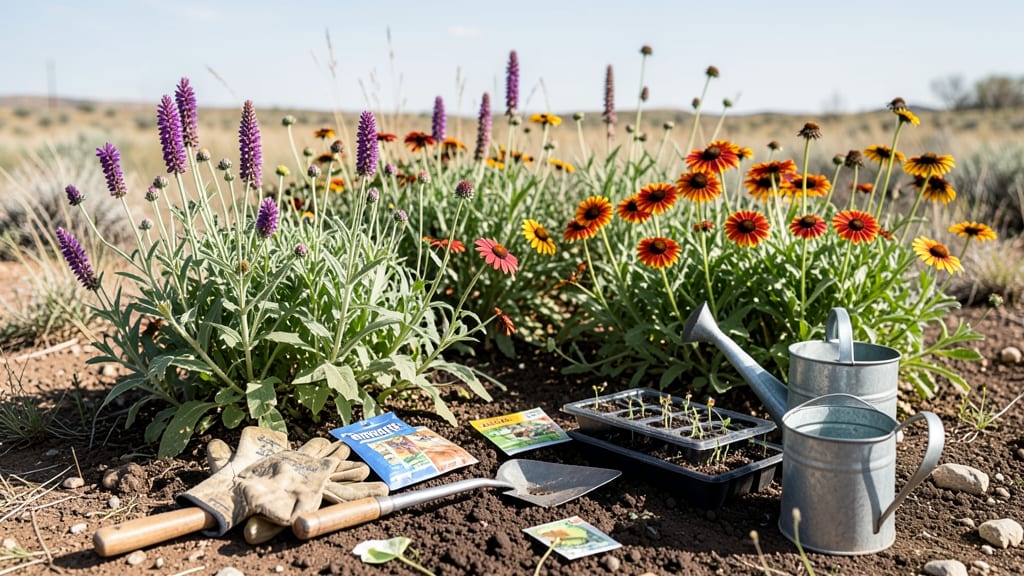
Timing your flowers in Colorado planting window can mean the difference between a vibrant garden and a frost-killed disappointment. With elevation zones ranging from 4,000 to 10,000 feet, Colorado’s frost dates shift dramatically—what’s perfect for Denver’s USDA Zone 5 might be too early for Aspen’s Zone 4.
If you’ve ever watched your carefully chosen 🌸 seedlings wilt overnight, you know how crucial getting the timing right is. The key is understanding your specific microclimate, whether you’re in the Front Range or the Western Slope, and knowing when to start seeds indoors versus planting directly outdoors.
In this guide, I’ll break down the exact frost-free windows for Colorado’s diverse regions, plus smart strategies to extend your growing season. You’ll learn which flowers thrive when planted early and which wait for warmer soil—so you can maximize your blooms from spring through fall.
Ready to transform your garden? Let’s dive into the precise planting schedule that works for your elevation, ensuring your flowers take root and flourish exactly when they should.
Colorado’s frost-free planting zones by elevation (with exact dates)
Colorado’s elevation variations create dramatic shifts in planting seasons—what works in Denver (5,280 ft) fails in Aspen (7,800 ft). The last frost date can vary by 30+ days between zones, so knowing your exact elevation is critical.
Most gardeners in USDA Zones 4-7 rely on historical frost data to time their plantings, but microclimates near water or urban heat islands can add another 2-4 weeks of growing time.
For lowland areas (2,500–5,000 ft), like Colorado Springs or Pueblo, the average last frost date falls between April 15–May 1. Meanwhile, mountain regions (7,000–10,000 ft), such as Boulder or Fort Collins, often see frost until May 15–June 1.
This means marigolds planted in April in Denver might survive, while the same plants in Estes Park (7,900 ft) could face frost damage.
Here’s how to match your elevation to the right planting window, including heat-tolerant flower varieties that thrive in each zone:
| Elevation Zone | Avg. Last Frost | Safe Planting Window | Heat-Tolerant Flowers | Cold-Hardy Flowers |
|---|---|---|---|---|
| Lowland (2,500–5,000 ft) | April 15–May 1 | April 20–May 15 | Marigolds, Zinnias, Sunflowers | Pansies, Sweet Peas, Snapdragons |
| Foothills (5,000–7,000 ft) | May 1–May 15 | May 10–June 1 | Cosmos, Black-Eyed Susans, Dahlia | Lupines, Columbine, Penstemon |
| Mountain (7,000–10,000 ft) | May 15–June 1 | June 1–July 1 | Begonias, Impatiens, Petunias | Delphinium, Asters, Yarrow |
🌡️ Pro Tip: Use a soil thermometer—flowers need 50°F+ soil to thrive.
If you’re in Zone 4 (e.g., Grand Junction), you can start warm-season flowers like tomato plants indoors by March 1 for an earlier bloom. Conversely, Zone 7 gardeners (e.g., Durango) should wait until mid-June to plant heat-sensitive annuals like petunias.
For fall planting, aim for September 1–October 15 in lower elevations, but shift to August 15–September 30 in mountain zones to avoid early frosts.
For container gardening, you can push these windows slightly earlier—pots warm up faster and can be moved to protected microclimates. However, direct-sown seeds (like lupines or columbine) should never go in until after your zone’s last frost, or they’ll rot in cold, wet soil.
Use local CoCoRaHS weather stations or Colorado State University’s frost maps to refine your timing. Even a 100-foot elevation change can shift your frost date by 1 week—so check your specific neighborhood!
For perennials, like coneflowers or blanket flower, plant in early spring (April–May) or early fall (September) to establish roots before winter. These hardy plants often rebloom faster in Colorado’s dry climate once established.
Remember: Colorado’s growing season is short—prioritize fast-blooming annuals (like zinnias) if you’re planting late. And always have row covers ready to extend your season by 2–4 weeks in case of unexpected frosts.
How to adjust planting dates for Colorado’s unpredictable weather patterns
Colorado’s weather can shift from sunny 70°F to snow flurries overnight, making planting dates tricky. The key is flexibility—using tools like frost watches and season extenders to protect your flowers when Mother Nature throws curveballs.
I’ve planted in Colorado for years, and I’ve learned that even a 1-week delay can mean the difference between thriving blooms and frost damage.
Start by tracking your local last frost date (check the Colorado State University Extension for updates). Then, add a 2-4 week buffer for cold-sensitive flowers like marigolds or petunias. For hardy varieties like pansies or snapdragons, you can plant 2-3 weeks earlier without risk.
The goal? Get your flowers in the ground when the soil reaches 50°F+—use a soil thermometer to confirm.
🌱
5 Smart Strategies to Extend Your Colorado Planting Season
- 1. Use row covers to plant 2-3 weeks earlier in spring or 3-4 weeks later in fall. Lightweight fabric traps heat and shields flowers from light frosts (28-32°F).
- 2. Set up cold frames for delicate seedlings. A simple Plexiglas box can raise soil temps by 10-15°F, letting you start tender annuals like geraniums in early April.
- 3. Choose fast-blooming varieties (e.g., cosmos or zinnias) to compensate for late starts. These can flower in 6-8 weeks, giving you blooms even if planted in late May.
- 4. Mulch heavily with straw or wood chips to insulate soil. This keeps roots 5-10°F warmer at night, protecting shallow-rooted flowers like calendulas.
- 5. Monitor microclimates. South-facing slopes warm up faster than north sides, so adjust planting dates by 1-2 weeks based on your yard’s sun exposure.
Don’t forget to harden off seedlings before transplanting—gradually expose them to outdoor conditions for 7-10 days to avoid shock. I once lost a batch of begonias because I rushed them outside after a 50°F morning. Now, I always harden off under partial shade first.
For fall planting, aim to get cool-season flowers like pansies or stock in the ground 6-8 weeks before your first frost. These thrive in 50-60°F soil and often bloom until December in lower elevations.
In higher-altitude gardens (7,000+ ft), stick to hardy perennials like columbines or yarrow for reliable color.
Pro tip: Keep a gardening journal to track your local frost dates and flower performance. Over time, you’ll spot patterns—like how your Western Slope garden might have 2 weeks later last frosts than Denver. Adjust your schedule yearly based on your notes, and you’ll master Colorado’s unpredictable planting windows.