
Flowers
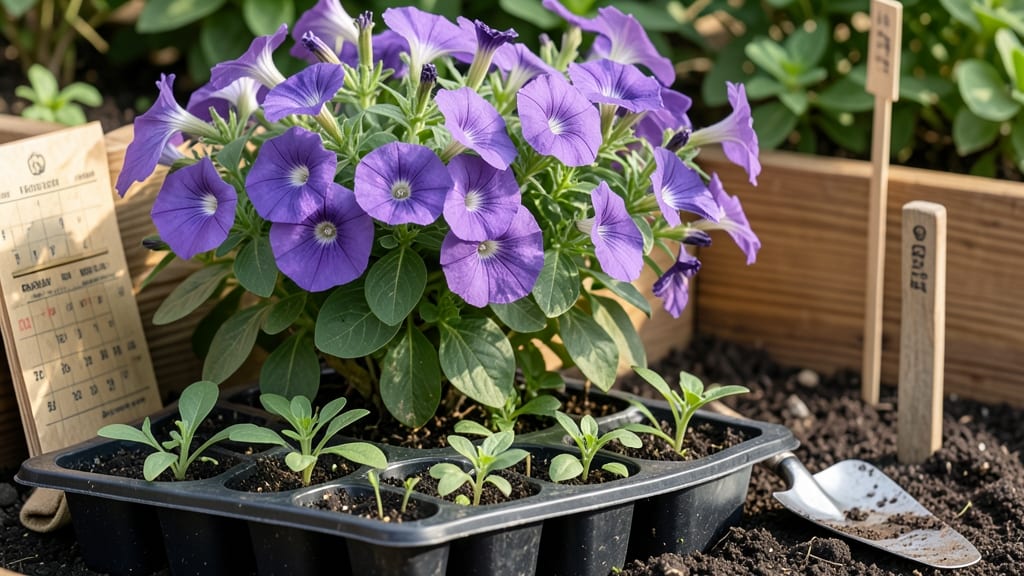
Knowing when is it safe to plant flowers in Ohio can mean the difference between a vibrant garden and a sad pile of frost-nipped petals. Ohio’s unpredictable spring weather makes timing critical—plant too early, and a late frost could wipe out your 🌸 blooms before they even take root.
Most Ohio gardeners wait until after the average last frost date, which typically falls between mid-April and early May in USDA Zone 6a. But here’s the catch: soil temperature matters just as much as air temperature—waiting until the ground warms to at least 50°F ensures your flowers get off to the right start.
In this guide, I’ll break down Ohio’s frost dates by county, share heat-zone matching tips, and reveal which flowers thrive in early spring versus those that prefer warmer weather. You’ll also learn how to adjust for Ohio’s infamous unpredictable weather, so you can plant with confidence.
Whether you’re a seasoned gardener or a first-timer, these insights will help you avoid common mistakes and create a garden that blooms all season long. Let’s get those flowers in the ground the right way!
Ohio’s last frost dates by county: when to plant flowers safely
Ohio’s diverse geography means frost dates vary dramatically from the Appalachian Mountains to the Great Lakes shore. Northern counties like Ashtabula often see frost until May 15, while southern regions like Lawrence County warm up by April 15.
These differences impact when you can safely plant annual flowers and tender perennials.
For cool-season flowers like pansies or snapdragons, you can start seeds indoors 6-8 weeks before your last frost date. But for warm-season favorites like petunias or marigolds, wait until nighttime temperatures stay above 50°F consistently—usually mid-May in most regions.
Here’s how to use Ohio’s USDA hardiness zones (5-7) to pinpoint your planting window. Zone 5 areas (northwest Ohio) have shorter growing seasons, while Zone 7 (southwest Ohio) enjoys 30 extra frost-free days—a game-changer for late-season blooms.
🌱Pro Tip: Check the National Weather Service or Ohio State University Extension for your county’s 3-year average frost dates. Microclimates near lakes or valleys can shift your safe planting window by 1-2 weeks.
| Region | Avg. Last Spring Frost | Avg. First Fall Frost | USDA Zone | Safe Planting Window |
|---|---|---|---|---|
| Northwest (e.g., Lucas, Wood) | May 5–15 | October 5–15 | 5a/5b | May 20–June 1 |
| Northeast (e.g., Geauga, Portage) | May 1–10 | October 10–20 | 5b/6a | May 15–25 |
| Central (e.g., Franklin, Delaware) | April 20–May 5 | October 15–25 | 6a/6b | May 1–15 |
| Southeast (e.g., Athens, Scioto) | April 10–20 | October 20–30 | 6b/7a | April 25–May 10 |
| Southwest (e.g., Hamilton, Butler) | April 5–15 | October 25–November 5 | 6b/7a | April 20–May 5 |
*Dates based on 30-year averages; check local forecasts for real-time updates.
Even if your county’s average last frost passes on May 1, a late frost can still hit—especially in valleys or low-lying areas. Use frost cloth or row covers for 2-3 weeks after planting to protect tender seedlings like impatiens or coleus.
For perennial flowers, divide your planting into two batches: hardy varieties (e.g., coneflowers, black-eyed Susans) can go in early spring (March-April), while heat-lovers (e.g., lantana, salvia) wait until mid-May.
🌿Key Takeaway: Soil temperature matters more than air temperature. Use a soil thermometer—flowers won’t thrive until the soil hits 50°F for annuals or 60°
How to adjust planting for Ohio’s unpredictable weather patterns
Ohio’s weather can be as unpredictable as a spring snowstorm in April. Even after the average last frost date, cold snaps can linger—especially in northern counties like Ashtabula or Lorain, where frost might return in early May.
To protect your tender annuals, I’ve tested these strategies over years of gardening in Ohio’s Zone 6a climate.
The key is layered protection. Start by choosing cold-hardy flowers like pansies, snapdragons, or sweet alyssum, which can handle light frosts down to 25°F.
For heat-loving varieties like marigolds or zinnias, wait until soil temperatures hit 60°F+ and nighttime lows stay above 50°F for 5 consecutive days.
🌱 Pro Tip: Use a soil thermometer (available for ~$10) to check ground temps—air temps can be misleading. The National Weather Service’s [Ohio frost forecast](https://www.weather.gov/) is another lifesaver for real-time adjustments.
Row covers are my secret weapon. Lightweight frost blankets (like Agribon) add 4-8°F of protection and can be draped over seedlings until danger of frost passes. For late-May plantings, I also use black plastic mulch to warm soil faster—critical for tomatoes and peppers (yes, they’re flowers too!).
💡 Warning: Never use plastic directly on leaves—it burns foliage. Instead, lay mulch 2-3 inches below plants and water thoroughly before covering. This creates a microclimate that shields roots from temperature swings.
For container gardens, move pots to sheltered spots (like against a south-facing wall) during cold snaps. Grouping containers together traps heat, while adding gravel to pot bottoms improves drainage and prevents root rot from Ohio’s spring rains.
Even with precautions, Ohio’s first fall frost (usually October 15) catches many off guard. Extend your season by planting mums, asters, or ornamental kale—they thrive in cooler temps and add late-season color.
For tender perennials, dig up and overwinter in pots if your area’s first frost comes early.
- 1. Monitor Soil Temps – Wait until 50°F+ for cool-season flowers, 60°F+ for warm-season varieties.
- 2. Use Row Covers – Protect seedlings with frost blankets until May 15 in most of Ohio.
- 3. Mulch Strategically – Apply black plastic or straw mulch to warm soil and suppress weeds.
- 4. Choose Cold-Hardy Flowers – Plant pansies, violas, or calendula 4-6 weeks before last frost.
- 5. Adjust for Containers – Move pots to sheltered spots or use heat mats for early starts.
- 6. Plan for Fall Frost – Opt for mums, asters, or ornamental cabbage for late-season blooms.
Let’s talk microclimates—Ohio’s urban heat islands (like Columbus or Cincinnati) can be 5-10°F warmer than rural areas just 20 miles away. If you’re in a city garden, you might plant tomatoes or impatiens 1-2 weeks earlier than neighbors in the countryside.
Use your smartphone’s weather app to track local trends, and observe nearby tree buds or crocus blooms—they’re nature’s frost calendar!
For high-altitude areas (e.g., Appalachian regions), shift your schedule 2 weeks later than the county average. In low-lying valleys, frost lingers longer—so hold off until you see consistent daytime highs above 60°F for a week.
🌿 Final Tip: Keep a gardening journal to note when your local frost dates deviate from averages. Over time, you’ll spot patterns—like that May 10 snowstorm that hit your town every 5 years. With these adjustments, you’ll outsmart Ohio’s weather and enjoy longer bloom times year after year.