
Companion Plants
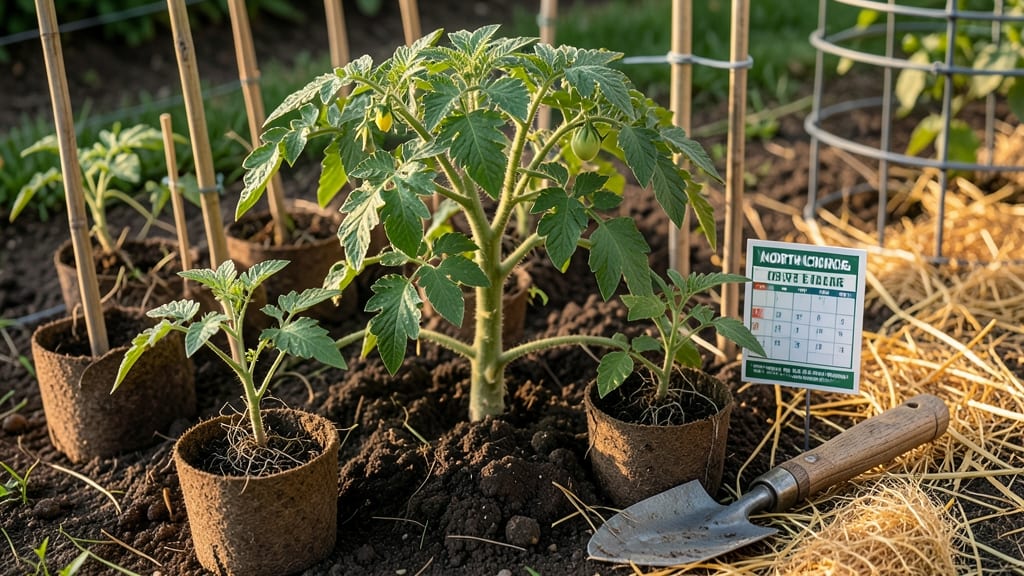
If you’ve ever wondered when to plant tomatoes in NC and dreaded the thought of frost-nipped seedlings or heat-stressed vines, you’re not alone. North Carolina’s diverse climate—from the humid Coastal Plain to the cooler Mountains—means timing your 🍅 crop just right can make or break your harvest.
One wrong move, and you’ll either wait months for fruit or watch your plants wilt under summer’s intensity.
Here’s the secret: soil temperature is your best friend, not the calendar. While most gardeners focus on last frost dates (typically late March to early May, depending on your zone), the real magic happens when the ground warms to at least 55°F.
That’s when your seedlings will thrive, not just survive. But there’s more—like choosing heat-tolerant varieties that won’t bolt in July’s heat or using mulch to keep roots cool.
I’ll break down the exact planting windows for your region, from the Piedmont’s mild springs to the Mountains’ delayed starts. You’ll learn how to stretch your season with fall plantings, too, plus tricks to protect young plants from late frosts or pests like hornworms.
Whether you’re a first-time gardener or a veteran grower, these NC-specific tips will help you avoid common pitfalls and maximize your harvest.
Ready to grow juicier tomatoes than you’ve ever tasted? Let’s dive into the step-by-step schedule—and the little-known hacks—that will turn your backyard into a produce powerhouse. Your first bite of homegrown 🍅 this summer might just change everything.
NC tomato planting schedule by region: frost dates & soil temperature rules
North Carolina’s diverse climate means your tomato planting timeline depends heavily on where you live. The state spans USDA Zones 7b-8a, with coastal areas staying warmer longer than the mountains.
For all regions, the golden rule is: wait until soil temperatures hit 55°F+—cold soil stunts root growth and invites disease.
Most NC gardeners aim for two planting windows: spring (after last frost) and fall (for heat-tolerant varieties). Coastal areas like Wilmington can start as early as March 15th, while mountain regions like Asheville may wait until May 1st.
Let’s break down the exact rules by zone so you never miss the sweet spot.
🌱
| Region | Avg Last Frost | Soil Temp Threshold | Spring Plant Window | Fall Plant Window |
|---|---|---|---|---|
| Coastal (Zone 8a) | Feb 15 - Mar 1 | 55°F+ (Mar 15+) | Mar 15 - Apr 15 | Aug 1 - Sep 15 |
| Piedmont (Zone 7b) | Mar 15 - Apr 1 | 55°F+ (Apr 15+) | Apr 15 - May 1 | Jul 15 - Aug 15 |
| Mountains (Zone 7a) | Apr 15 - May 1 | 55°F+ (May 1+) | May 1 - May 15 | Jul 1 - Jul 15 |
🌡️ Pro Tip: Use a soil thermometer—surface temps can be misleading!
For direct sowing (planting seeds outdoors), add 2-3 weeks to these windows since seedlings need extra time to harden off. Transplants, however, can go in 2 weeks earlier because they’re already established. I’ve had success in Raleigh by starting transplants March 20th under row covers if nights dip below 40°F.
NC’s humidity and summer heat demand extra care. If you’re planting in June or July, choose heat-tolerant varieties like ‘Celebrity’ or ‘Solar Fire’—they handle 90°F+ better than standard types. Always pair late plantings with shade cloth (30-50%) during peak afternoon sun to prevent sunscald.
💧
One common mistake I see is ignoring microclimates. A south-facing slope warms up faster than a shady valley. Test your spot by placing a clear jar in the ground for 24 hours—if the soil inside reads below 55°F, delay planting.
In my Zone 7b garden, I’ve extended spring plantings by 10 days using black plastic mulch, which raises soil temps by 10°F.
Fall planting in NC works best for determinate varieties (bush types) that ripen quickly. Aim to harvest before first frost (typically Nov 15 - Dec 15 depending on elevation). In the mountains, I’ve had luck with ‘Mountain Merit’—it handles cooler nights better than most.
✂️
Remember: transplant shock is real. Acclimate seedlings to outdoor conditions for 7-10 days before planting by moving them to a sheltered spot during the day and bringing them in at night.
For large transplants (like indeterminate varieties), dig a trench, lay the stem horizontally, and bury it—this encourages deeper root growth, which is critical for NC’s clay-heavy soils.
If you’re unsure about your local frost dates, check the NC State Climate Office or use the Almanac’s Frost Calculator. For most of us, April 15th is a safe bet for Piedmont transplants, but always verify with a soil thermometer—it’s the most accurate tool in your gardening arsenal.
NC tomato planting schedule by region: frost dates & soil temperature rules
North Carolina’s diverse climate means your tomato planting window can vary by hundreds of miles. The Coastal Plain enjoys earlier springs, while the Mountains often wait until May.
Don’t guess—check your last frost date (typically late March to early May) and soil temperature, which must reach 55°F+ for healthy roots. I’ll break it down by region so you can plant with confidence.
For most of NC, transplanting seedlings is the way to go—it gives you a head start on the 60-90 day growing season. But if you’re direct sowing, wait until after the last frost and when soil is 60°F+.
Pro tip: Use a soil thermometer—it’s the only way to know for sure. Skipping this step often leads to stunted growth or disease.
Here’s your region-specific planting schedule, including key dates and soil triggers:
| Region | Last Frost Date | Optimal Planting Window | Soil Temp Threshold | Notes |
|---|---|---|---|---|
| Coastal Plain (Zones 8-9) | Mid-March to early April | Late March–early May (transplant) / May–June (direct sow) | 55°F+ (sooner for heat-tolerant varieties) | Longer season; watch for humidity-related diseases. |
| Piedmont (Zones 7-8) | Late March–early April | Early April–mid-May (transplant) / May–June (direct sow) | 55°F+ (wait for consistency) | Balanced climate; ideal for early varieties. |
| Mountains (Zones 6-7) | Late April–early May | Mid-May–early June (transplant) / June (direct sow) | 60°F+ (cooler soils delay growth) | Shorter season; prioritize fast-maturing varieties. |
If you’re planting in fall for a late harvest, aim for mid-July to early August, giving your tomatoes 60-70 days to mature before the first frost (usually late October–November).
Use black plastic mulch to warm the soil faster—it can shave 2-3 weeks off your planting timeline. Just be prepared for shorter vines in cooler fall weather.
One common mistake? Planting too early and risking frost damage. I’ve seen gardeners lose entire seedlings because they trusted the calendar over the soil thermometer. Instead, harden off your seedlings for 7-10 days before transplanting, and avoid working the soil when it’s cold or waterlogged.
Your tomatoes will thank you with bigger, sweeter fruit.
For emergency frost protection, cover young plants with row covers or old bedsheets if temperatures dip below 32°F. A quick fix like this can save your crop—and your sanity. Now that you’ve got the timing down, let’s talk heat-tolerant varieties that thrive in NC’s summer blazes. 🌱