Plants
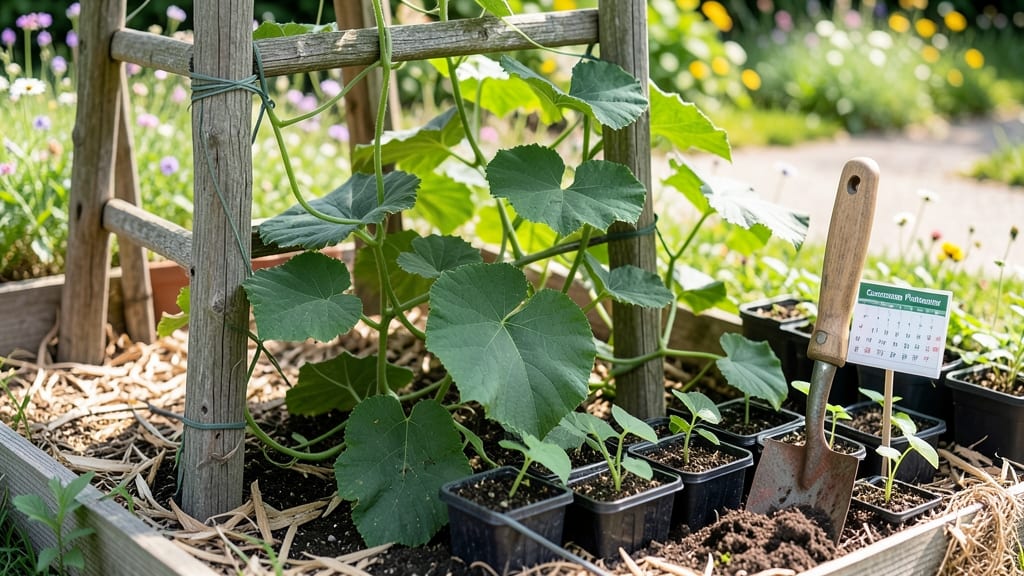
Timing cucumber 🥒 planting in North Carolina can mean the difference between a bountiful summer harvest and bitter disappointment. If you wait too long, the heat steals your plants' energy before they even produce, while planting too early risks bolting—those bitter, seedy cucumbers that turn your garden dreams to dust.
I’ve learned the hard way that soil temperature is the real secret weapon here. Unlike just waiting for the last frost date, you need to track when your soil warms to 55°F for germination and holds steady at 70°F+ for vigorous growth.
That’s when your cucumbers will finally thrive, not just survive.
North Carolina’s diverse climate zones—from the Coastal Plain’s humid warmth to the Mountains’ cooler springs—mean your exact planting window could vary by 3-4 weeks.
But don’t worry: I’ll break down the precise triggers for each region, so you can plant with confidence and enjoy crisp, homegrown cucumbers all summer long.
Ready to master the art of cucumber timing? Let’s dive into the soil temperature secrets that will transform your garden from "meh" to "mind-blowing."
North Carolina cucumber planting calendar: soil temperature triggers for zero bolting
North Carolina’s diverse climate—from the Coastal Plain’s humidity to the Mountains’ cooler nights—demands precise timing for cucumbers. The key? Soil temperature, not just air temperature. Cucumbers need 55°F+ soil to germinate but thrive best when soil hits 70°F+.
Plant too early, and your seedlings bolt (flower without fruit); too late, and summer’s heat zaps growth.
Use a soil thermometer to check depth (2 inches down). Coastal areas like Wilmington can start 2–3 weeks earlier than the Piedmont (Raleigh) or Mountains (Asheville).
For example, Wilmington’s last frost is mid-March, but wait until mid-April for soil warmth. In Asheville, aim for late May to avoid frost surprises.
Here’s your NC cucumber planting timeline by region, using soil temp triggers and frost-free dates from the NC State Extension. Bookmark these dates and adjust for microclimates (e.g., south-facing slopes warm faster).
| Region | Last Frost Date | Soil Temp Trigger | Planting Window | Notes |
|---|---|---|---|---|
| Coastal Plain (Wilmington, Fayetteville) | Mid-March | 55°F+ (mid-April) | April 15–May 10 | Use row covers for early starts; watch for southern blight. |
| Piedmont (Raleigh, Greensboro) | Late March | 60°F+ (late April) | April 30–May 15 | Transplants tolerate cooler soil; trellis vines to save space. |
| Mountains (Asheville, Boone) | Late April | 65°F+ (late May) | May 20–June 5 | Short season? Try bush varieties like ‘Bush Champion’. |
For extended harvests, succession plant every 2 weeks after your initial date. In the Coastal Plain, you can even squeeze in a fall crop by planting seedlings in late July, using black plastic mulch to warm soil. Just stop harvesting by October 15 to avoid frost damage.
Pro tip: Hardening off transplants is critical in NC’s unpredictable spring. Acclimate seedlings to outdoor temps over 7–10 days by gradually increasing exposure. Skip this, and your cucumbers may wilt under Piedmont’s 90°F+ afternoons.
Check your local USDA Zone (NC ranges from 7b–8a) and adjust for elevation. High-elevation gardens (e.g., Mount Mitchell) may need to wait until June 1 for safety. Always monitor 7-day forecasts—a late frost can turn your patient wait into a failed crop.
Need a backup? Container growing works in all NC regions. Use 5-gallon pots with self-wateringwicks and plant on patios or decks after your last frost. Containers warm faster than soil, giving you a 2-week head start.
Remember: Soil prep matters as much as timing. Amend beds with compost and a balanced fertilizer (10-10-10) 2 weeks before planting. Cucumbers are heavy feeders, and poor soil = stunted growth. Test your soil’s pH (6.0–6.8)—NC’s clay soils often need lime to sweeten the harvest.
How to time your cucumber planting for maximum yield: spacing, varieties, and success tips
Choosing the right cucumber varieties and spacing them correctly can double your harvest potential in North Carolina’s heat. I’ve found that heat-tolerant varieties like ‘Straight Eight’ and ‘Lemon Cucumber’ thrive in our summers, while bush types like ‘Bush Champion’ save space for other plants.
These varieties also resist common NC pests like cucumber beetles and powdery mildew, which can devastate unprotected vines.
Proper plant spacing is non-negotiable—give vining types 3–4 feet between plants and rows, while bush varieties need just 1–2 feet. Crowding stresses plants, inviting diseases and reducing fruit quality.
My first year, I packed cucumbers too close and ended up with small, bitter cucumbers instead of the sweet, crisp harvest I dreamed of.
Companion planting is another game-changer for NC gardeners. Pair cucumbers with radishes (they deter pests) or beans (they fix nitrogen in the soil). I also plant dill or nasturtiums nearby—they repel cucumber beetles naturally.
This strategy extends your harvest by 2–3 weeks by keeping pests at bay and improving soil health.