
Plants
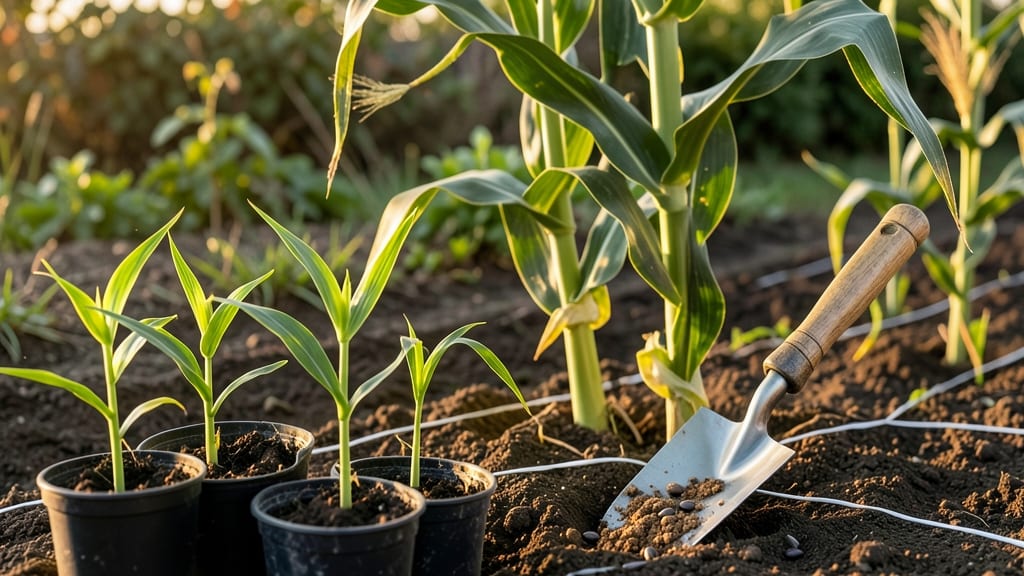
Timing your corn planting in Colorado is the difference between a bumper crop of sweet 🌽 and a sad, frost-nipped garden. The Front Range’s mild springs and mountain valleys’ late frosts mean your planting window isn’t one-size-fits-all—get it wrong, and your stalks may never reach their full potential.
Most Colorado gardeners know to wait until after the last frost, but the real secret lies in soil temperature and elevation. While lowland areas near Denver (USDA Zone 5-6) can start as early as mid-April, high-altitude gardens above 7,000 feet often need to wait until early June.
The goal? Plant when soil hits 60°F—corn won’t germinate in cooler earth, no matter how eager you are.
This guide breaks down the exact planting dates by elevation zone, plus how to adjust for Colorado’s unpredictable weather. Whether you’re growing sweet corn for summer meals or hearty dent corn for fall storage, knowing when to drop those seeds makes all the difference.
Ready to turn your backyard into a cornfield? Let’s dive into the perfect schedule for your Colorado elevation—so you can harvest ears straight from your garden by July or August.
Colorado corn planting dates by elevation zone (lowland to mountain)
Colorado’s elevation zones dramatically impact when you can plant corn. At 2,500–5,000 feet (Front Range), you’ll plant earlier than at 7,000+ feet (mountains), where frost lingers longer. Understanding these zones ensures your corn varieties mature before the first frost—typically mid-October at lower elevations and September in the mountains.
For sweet corn, aim for a 90–110 day variety to harvest before late-summer heat sets in. Dent corn and popcorn need 110–120 days to mature, so adjust planting dates accordingly. The key is balancing soil temperature (minimum 60°F) with frost-free days—most Colorado zones offer 120–180 days.
Here’s how to align planting with your elevation:
| Elevation Zone | Planting Window | Last Frost Date | Recommended Varieties | Days to Maturity |
|---|---|---|---|---|
| 2,500–5,000 ft (Front Range) | Mid-April to early May | April 15 | Silver Queen, Golden Bantam, Peaches & Cream | 70–110 days |
| 5,000–7,000 ft (Foothills) | Late April to mid-May | May 1 | Early Sunglow, Bodacious, Country Gentleman | 80–100 days |
| 7,000+ ft (Mountains) | Early to mid-June | May 15 | Super Sweet Golden, Honey & Pearl, Black Aztec | 90–120 days |
At 2,500–5,000 feet, plant sweet corn like Silver Queen in mid-April for a July harvest. The Front Range offers the longest growing season, but late frosts can still sneak in—wait until soil warms to 60°F and nighttime temps stay above 50°F.
Use row covers if frost threatens after planting.
In the foothills (5,000–7,000 ft), delay planting until late April to avoid frost. Opt for fast-maturing varieties like Early Sunglow (75 days) to ensure harvest before September’s first frost. Stagger plantings every 2 weeks for a continuous harvest window.
For high-altitude gardens (7,000+ ft), plant no earlier than early June. Choose heat-tolerant, long-season varieties like Black Aztec (110 days), which can handle cooler temps. Extend the season with black plastic mulch to warm the soil and protect seedlings from chilly nights.
Always check your local Cooperative Extension Service for microclimate adjustments. Urban Denver gardens may warm up faster than rural areas, while mountain valleys can trap cold air. When in doubt, plant a few extra seeds—corn thrives in poor soil but won’t forgive frost damage.
🌽
How to adjust planting dates for Colorado’s unpredictable spring weather
Colorado’s spring weather is famously unpredictable, with late frosts creeping into May and sudden heatwaves drying out soil before corn even sprouts. If you’ve ever planted too early and watched your seedlings wilt overnight, you know the stakes.
The key? Flexible timing and proactive adjustments based on real-time conditions—not just the calendar.
Most gardeners rely on last frost dates, but in Colorado, those dates are more like guidelines. For example, Denver’s average last frost is April 15, but mountain towns like Fort Collins can see frost as late as May 10.
Instead of guessing, use a soil thermometer—corn won’t germinate until soil hits 60°F (15°C), and waiting for this temperature is your best insurance against failure.
Here’s how to adjust your planting schedule when Mother Nature throws curveballs: start with a 2-week buffer after your expected last frost date, then monitor daily weather forecasts. If nights dip below 40°F (4°C), cover seedlings with frost cloth or row covers.
For high-altitude gardens, consider staggered planting—sow half your seeds in early May, then the rest 2 weeks later to hedge against late frosts.
⚠️ Warning: Late Frosts Are the #1 Threat
Corn seedlings can’t survive below 50°F (10°C). If a frost warning appears after planting, act fast:
- Cover plants with frost cloth or old blankets
- Water soil before sunset to insulate roots
- Avoid overhead watering—wet leaves freeze faster
Pro tip: Use a mini greenhouse or cold frame for early starts in high-altitude areas.
If your soil warms too slowly, try these tricks to speed up germination:
- Black plastic mulch raises soil temps by 5–10°F within days
- Plant near dark-colored rocks or bricks to absorb heat
- Use a cloche or row cover to trap daytime warmth
On the flip side, heatwaves before planting can dry out soil and stress seeds. If temps exceed 90°F (32°C) before your planned planting date, wait until evening to sow seeds and water deeply the night before.
For container-grown corn, move pots to a shadier spot during peak heat to prevent transplant shock.
Finally, keep a planting journal to track what works in your microclimate. Note whether your local elevation, soil type, or neighborhood microclimate (e.g., urban heat islands) affect your corn’s success. Over time, you’ll refine your schedule to beat Colorado’s weather—no more frozen tassels or bolted stalks!