
Plants
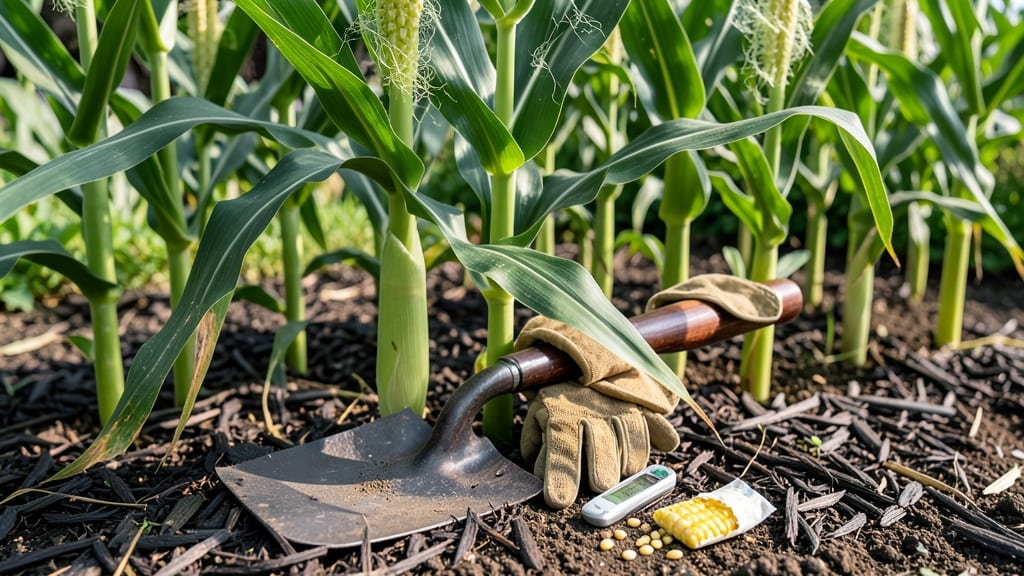
Timing your corn planting in Canada wrong could mean the difference between a golden harvest of 🌽 and watching your seeds turn to mush in cold soil. Unlike warmer climates, Canadian gardeners can't just follow a calendar—soil temperature is the real game-changer.
Most gardeners assume late May is the magic window, but if your soil is still chilly, those seeds will just sit there, waiting for warmth that never comes.
I’ve learned the hard way that fast germination starts with knowing when your soil hits that critical 50°F (10°C) mark—not just the date on your planner.
From the Maritimes to the Prairies, each region has its own rhythm. In Atlantic Canada, you might plant in early June, while Prairie growers can start as early as late May.
The key? Adjusting for your local frost dates and soil conditions to give those corn seeds the best shot at sprouting.
Ready to skip the guesswork? I’ll walk you through exactly how to check soil temps, when to transplant seedlings, and even a few tricks to speed up growth in cooler climates. Let’s get your corn off to the fastest start possible.
Best soil temperature ranges for planting corn in Canada
Corn is a warm-season crop that thrives when soil temperatures reach specific thresholds. In Canada, where climates vary dramatically, soil temperature is more critical than planting dates alone.
Most corn varieties need soil temperatures of at least 50°F (10°C) to germinate, but ideal planting occurs when soils hit 60°F (15°C)—this ensures faster sprouting and stronger seedlings.
In cooler regions like the Maritimes or northern Ontario, waiting for these temperatures can mean planting in late May or June, while Prairie provinces may see suitable conditions as early as mid-May.
Cold soil delays germination, leaving seeds vulnerable to rot or pests. If you plant too early, your corn may take 2-3 weeks longer to emerge, shortening the growing season. Use a soil thermometer to check temperatures at a 2-inch depth—this is the zone where corn roots first develop.
In British Columbia’s coastal regions, where soils warm slower, you might need to wait until June for consistent germination.
Here’s how soil temperature impacts corn growth in Canada:
| Temperature Range (°F/°C) | Germination Speed | Canadian Regions | Best Action |
|---|---|---|---|
| Below 50°F (10°C) | Very slow or none | Maritimes, Northern Ontario, BC Coast | Wait or use warming methods |
| 50–59°F (10–15°C) | Slow (7–14 days) | Southern Ontario, Quebec, Prairies | Plant with mulch or greenhouse |
| 60–70°F (15–21°C) | Fast (3–7 days) | Prairies, Southern BC, Niagara | Ideal planting time |
| Above 70°F (21°C) | Very fast (2–5 days) | Southern Alberta, Saskatchewan | Monitor for drought |
In Atlantic Canada, where spring is unpredictable, I’ve found that planting corn after the last frost date (usually mid-May) and confirming soil warmth with a thermometer saves time. For short-season varieties like ‘Early Sunglow’ (60-day maturity), timing is everything—delaying by even a week can reduce yields.
Meanwhile, in Alberta or Saskatchewan, where soils warm quickly, early May plantings often succeed if nighttime temperatures stay above 45°F (7°C).
Another trick I use is the “hand test” for soil readiness: Press your hand into the soil—if it feels warm like a coffee mug (not cold like a fridge), it’s likely ready.
Pair this with a soil thermometer for accuracy. In cooler microclimates, like valleys or near lakes, soils may stay cold longer, so plant 2–3 weeks later than surrounding areas.
Corn seeds also need consistent moisture to germinate, so avoid planting when rain is forecast. In dry Prairie regions, irrigate the planting zone 24 hours before sowing to kickstart germination.
If your soil is sandy or rocky, it may warm faster—check temperatures in multiple spots before committing to a planting date.
For northern gardeners (Zones 1–3), consider short-season hybrids like ‘Golden Bantam’ (70 days) or ‘Ambrosia’ (80 days). These tolerate cooler soils better than sweet corn varieties, which need warmer conditions to develop sugar content.
Always match your corn variety to your growing zone—this is the fastest way to ensure success.
Pro tip: If you’re in a transition zone (like southern Ontario or the Fraser Valley), plant a mix of early and late varieties to stagger harvests. This spreads risk if early plantings fail due to unexpected frost or pest pressure.
For example, sow ‘Peaches and Cream’ (75 days) in early May and ‘Silver Queen’ (90 days) in late May.
Finally, remember that soil temperature fluctuates daily, especially in spring. Check your thermometer in the morning (soils are coolest) and afternoon (warmest). If afternoon temps hit 60°F (15°C) but mornings dip below 50°F (10°C), your seeds may still struggle.
In these cases, use row covers or black plastic mulch to maintain warmth.
Regional planting timelines for Canadian corn growers
Canada’s diverse climate means planting corn isn’t a one-size-fits-all task. In the Atlantic provinces, like Nova Scotia and New Brunswick, corn thrives when planted between late May and early June, when soil temperatures finally hit 55°F (13°C).
Meanwhile, Prairie provinces like Alberta and Saskatchewan can start as early as mid-May, thanks to warmer soils and longer growing seasons.
For Ontario and Quebec, aim for late May to early June—this window balances frost risk and soil warmth. British Columbia’s cooler coastal regions often delay planting until June or even July, while the Okanagan Valley can start earlier, around late May.
Always check your local last frost date to avoid losing tender seedlings.
Here’s how each region stacks up for planting corn:
| Region | Best Planting Window | Soil Temp Goal (°F/°C) | Frost Risk |
|---|---|---|---|
| Atlantic (NS, NB, PEI) | Late May – Early June | 55°F (13°C) minimum | Moderate (late spring frosts) |
| Ontario & Quebec | Late May – Early June | 60°F (15°C) ideal | High (northern areas) |
| Prairie (AB, SK, MB) | Mid-May – Early June | 50°F (10°C) minimum | Low (warmer soils) |
| British Columbia | June – July (coastal) | 65°F (18°C) ideal | Moderate (varies by zone) |
If you’re in a northern region, like Manitoba or Newfoundland, consider starting seeds indoors in April and transplanting after the last frost. This gives your corn a head start in short growing seasons.
For southern Ontario or the Prairies, direct sowing in early May often works, but always test soil temperature with a soil thermometer—corn won’t germinate well below 50°F (10°C).
One trick I’ve used is planting early-maturing varieties, like ‘Early Sunglow’ or ‘Golden Bantam’, in cooler regions. These varieties can go from seed to harvest in 60-75 days, giving you a better chance of success before fall frosts arrive.
Pair this with black plastic mulch to warm the soil faster—it can shave 1-2 weeks off your planting timeline!
Remember, late plantings in July or August can still yield corn, but expect smaller ears and a shorter harvest window. The key is consistency: stick to your region’s ideal window, and your corn will reward you with sweet, plump ears all summer long.