
Plants
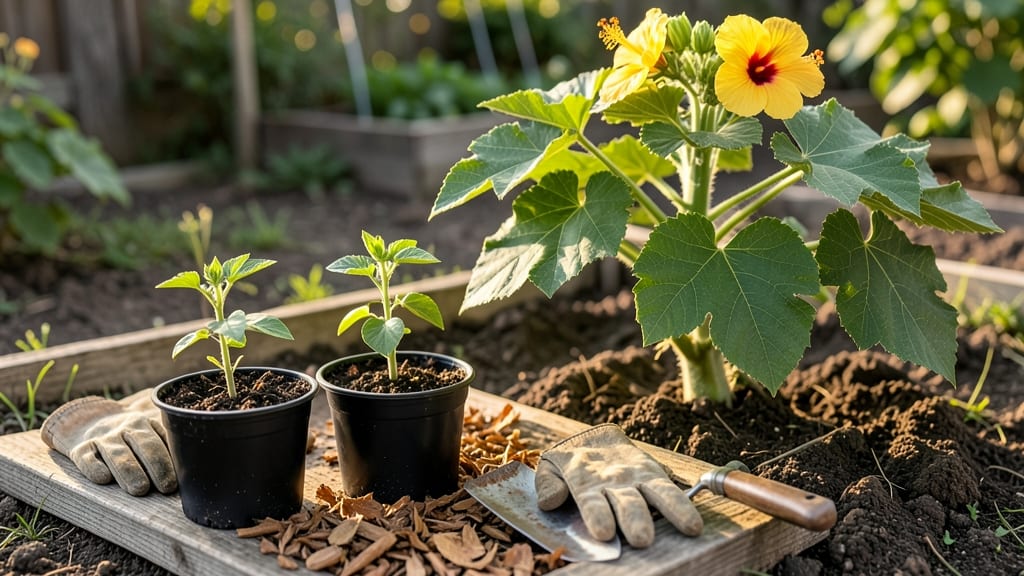
If you’ve ever wondered when to plant okra in Texas, the answer isn’t just about avoiding frost—it’s about embracing the heat. Okra 🌱 loves Texas’ long, scorching summers, but planting too early can leave your crop struggling or even dying when temperatures dip unexpectedly.
Texas gardeners know timing is everything, especially when dealing with a plant that thrives in 85°F+ soil but wilts under early-season chill.
Whether you're in North Texas with its unpredictable springs or South Texas where frost is rare, getting the schedule right means the difference between a bountiful harvest and wasted effort.
In this guide, I’ll break down the exact planting windows for your region—from Dallas to the Rio Grande Valley—so you can start seeds or transplant with confidence. You’ll also learn how to prep your soil, protect young plants from late frosts, and extend the growing season for longer harvests.
Ready to grow crisp, tender okra pods all season long? Let’s dive into the heat-loving schedule that works for Texas gardens.
Texas okra planting calendar: exact dates by region to avoid frost
Okra loves Texas heat, but planting too early risks frost damage—even in USDA zones 8a-10b. The key is waiting until soil temps hit 60°F+ and nighttime lows stay above 50°F.
In North Texas, this usually means mid-April, while South Texas gardeners can start as early as late February. Central Texas falls in between, with ideal planting windows in early April.
Texas' diverse climate means your planting schedule should align with your region. North Texas (Dallas/Fort Worth) has the latest last frost dates, while South Texas (Houston/Corpus Christi) enjoys an extended growing season.
Even a single 28°F frost can kill okra plants, so timing matters more than anywhere else in the country.
Here’s the breakdown of your okra planting windows by Texas region, including soil temperature thresholds and frost-free guarantees:
For North Texas gardeners, the window closes after May 15—after that, summer heat arrives, and okra may bolt or produce bitter pods. In South Texas, you can push planting into late July for a fall harvest, but expect slower growth as temps drop.
Always check your local AgriLife Extension for microclimate adjustments, especially in urban areas where heat islands can shift planting windows by weeks.
Pro tip: Use a soil thermometer to confirm readiness. Okra seeds won’t germinate below 60°F, and waiting ensures faster, stronger plants. If you’re in zone 8a (like the Texas Hill Country), consider a row cover for early plantings to protect against late frosts.
Okra thrives in Texas’ 100+ degree summers, but even it needs time to acclimate. Planting too early means struggling with slow germination and stunted growth. Wait for those consistent 70°F nights before committing—your pods will thank you with tender, sweet flavor instead of the bitter taste of stress.
Once planted, okra grows 2-3 feet per week in ideal conditions. In South Texas, you can even get two harvests in one season: an early spring crop and a late summer planting.
But in North Texas, focus on one strong planting in April to maximize yield before summer heat peaks.
Don’t forget: Okra is a warm-season annual, so it won’t survive Texas winters. Plan your planting schedule to harvest before the first frost—typically November 15 in North Texas and December 1 in South Texas.
With the right timing, you’ll enjoy fresh okra pods from June through October, making it a staple for your summer and fall meals.
🌱
How to prepare okra seeds and soil for Texas heat: pro tips for fast germination
Okra seeds 🌱 may look tough, but they need the right conditions to germinate quickly in Texas’ unpredictable spring warmth. If your soil isn’t warm enough or properly prepped, those seeds could sit dormant for weeks—or worse, rot.
The key is creating an environment that mimics their native tropical climate, where soil temperatures stay above 60°F (15°C) consistently.
I’ve learned that direct sowing is the best method for Texas gardeners, but only after ensuring your soil meets three critical requirements: proper warmth, loose texture, and balanced nutrients.
Skipping these steps often leads to slow germination or weak seedlings that struggle in the heat. Let’s break down exactly how to prep your seeds and soil for success.
🌱 Pro Tips for Fast Okra Germination in Texas
- Soak seeds overnight in warm water (70°F+) to soften the tough outer shell. This speeds up germination by 3-5 days in Texas’ cooler springs.
- Test soil warmth with a soil thermometer—okra seeds need 60°F+ soil to sprout. If it’s cooler, use black plastic mulch for 1-2 weeks before planting.
- Plant seeds ½ inch deep in rows spaced 18-24 inches apart. Deeper planting delays germination, while shallower planting risks drying out.
- Add compost or aged manure to improve drainage and fertility. Okra hates soggy roots but thrives in well-amended soil.
- Water seeds gently but deeply after planting. Keep soil moist (not soggy) until germination, which typically takes 7-10 days in ideal conditions.
- Use row covers for the first 2-3 weeks to protect young seedlings from armyworms and sudden cold snaps in North Texas.
For gardeners in North Texas (USDA Zones 7b-8a), where spring temperatures fluctuate wildly, I recommend starting seeds indoors under grow lights 4-6 weeks before your last frost date.
Transplant seedlings outdoors only after soil temperatures consistently stay above 65°F (18°C)—usually mid-April in Dallas or late March in Austin.
In South Texas (Zones 9a-10b), you can plant okra seeds as early as February, but watch for unexpected cold snaps. Use frost cloth if nighttime temps dip below 50°F (10°C).
Once established, okra plants handle Texas heat like a champ, but getting them off to a strong start makes all the difference.
Pro tip: If your soil drains poorly, mix in sand or perlite to prevent root rot—a common issue in Texas’ heavy clay soils. Okra needs well-draining soil to thrive, but it’s surprisingly drought-tolerant once established. Mulch around plants with straw or grass clippings to retain moisture and regulate soil temperature.
With these prep steps, you’ll see seedlings emerge in 7-10 days and be harvesting tender pods in as little as 50 days. The secret? Warm soil, patience, and a little extra care during those critical first weeks.