
Plants
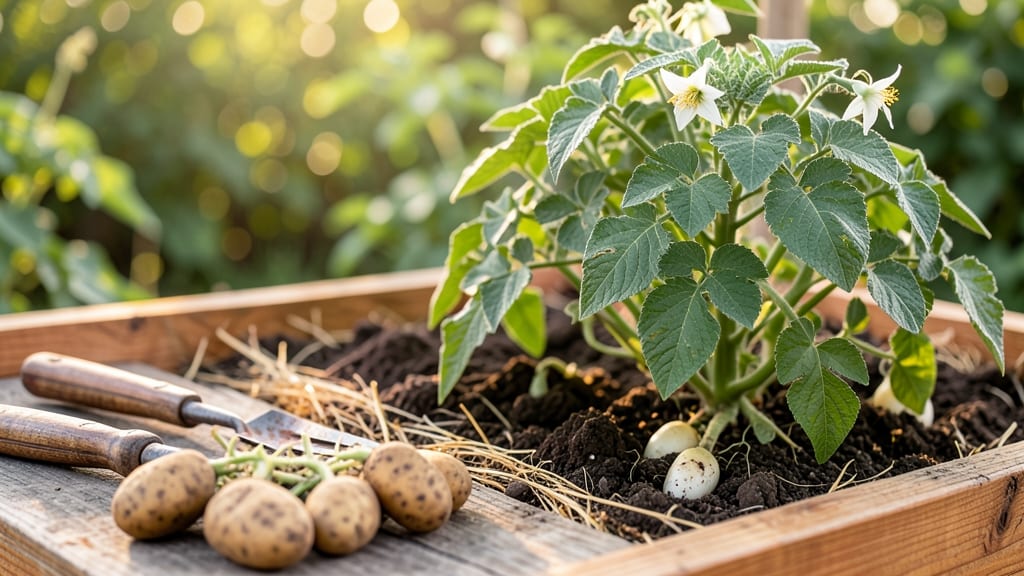
Planting potatoes in North Carolina isn't just about checking a calendar—it's about reading your soil's hidden signals and knowing exactly when those crisp 🥔 tubers will thrive.
The difference between a mediocre harvest and a garden full of golden spuds often comes down to timing soil temperatures right, not just dates.
Most gardeners in NC's varied climate zones (from the mountains to the coast) make one critical mistake: planting too early when frost still lingers or too late when summer's heat stresses young plants.
I've seen firsthand how a 5°F difference in soil temperature can mean the difference between strong root growth and stunted potatoes.
What you're about to discover is the precise window—typically between 45°F and 55°F—when your potatoes will finally sprout reliably, along with regional adjustments that work for both Piedmont clay soils and Coastal Plain sand.
Let's break down the exact planting schedule that matches your local frost dates and variety needs, so you can start your potatoes at the perfect moment for maximum yield and fewer garden headaches.
North Carolina potato planting timeline by soil temperature and frost zones
North Carolina's diverse climate—from the mountains' cooler zones to the Coastal Plain's humidity—means potato planting isn't one-size-fits-all. The key is matching your USDA zones (6b-8a) with soil temperatures that trigger tuber formation.
For most varieties, aim for soil temps between 45°F and 55°F at 4-inch depth, which typically aligns with mid-March to early April in the Piedmont and late March to mid-April along the coast.
Early varieties like Yukon Gold can handle slightly cooler soils (45°F), while late varieties such as Red Pontiac thrive when soil reaches 50°F or warmer.
In the mountains (Zone 6b), wait until after the last average frost date (usually April 15), but don’t delay too long—potatoes grow best in cool but not freezing conditions.
Here’s how North Carolina’s frost zones break down for potato planting:
| Zone | Planting Window | Soil Temp Trigger | Best Varieties |
|---|---|---|---|
| Mountains (6b) | Mid-April to early May | 45°F–50°F | Early Red, Kennebec |
| Piedmont (7a-7b) | Late March to early April | 50°F–55°F | Yukon Gold, Red LaSoda |
| Coastal Plain (8a) | Early March to mid-April | 55°F+ | Sweet Potato, Purple Viking |
For container gardening, you can plant 2-4 weeks earlier because pots warm up faster. Use a soil thermometer to confirm temps—cold, wet soil delays sprouting and invites rot. If your soil is below 45°F, hold off until it warms, even if the calendar says "spring."
Pro tip: Chit your seed potatoes (place them in light near a window for 2–4 weeks before planting) to jumpstart growth. This is especially useful in Zone 6b, where shorter seasons demand faster starts. Look for sprouts ½-inch long before planting to ensure vigorous tubers.
North Carolina’s humid summers mean potatoes planted too late (after May 15) risk heat stress and scab disease. Early varieties are your best bet for avoiding these issues, while late varieties can stretch into early fall harvests if planted by June 1.
Always check the NC State Extension’s frost date maps for your exact location—microclimates can shift planting windows by 1–2 weeks. For example, Asheville (Zone 7a) may align with Piedmont dates, while Wilmington (Zone 8a) can start earlier.
If you’re unsure about your zone, use the USDA Plant Hardiness Zone Map or ask your local Cooperative Extension office. They’ll provide hyper-local advice tailored to your soil type and past weather patterns. Don’t guess—your potato harvest depends on it!
🌱
North Carolina potato planting timeline by soil temperature and frost zones
North Carolina's diverse climate—from the cool mountain regions to the warm Coastal Plain—means your potato planting window varies dramatically. The key trigger isn't just the calendar date but soil temperature, which should reach 45°F-55°F for reliable sprouting.
In Zone 6b (mountains), this typically means planting in late March to early April, while Zone 8a (coastal areas) can start as early as mid-February.
Most gardeners overlook that potatoes need consistent warmth to form tubers. Planting too early in cold soils leads to rotten sprouts, while waiting too long risks heat stress during flowering. The NC State Extension recommends using a soil thermometer to confirm readiness—don't guess!
Here's your region-specific planting timeline, aligned with NC's frost zones and soil temperature triggers:
| Frost Zone | Soil Temp Trigger | Planting Window | Variety Recommendation |
|---|---|---|---|
| Zone 6b (Mountains) | 45°F-50°F | Late March - Early April | Early varieties (Red Norland, Yukon Gold) |
| Zone 7a (Piedmont) | 48°F-53°F | Mid-March - Mid-April | Medium varieties (Kennebec, Russet) |
| Zone 8a (Coastal Plain) | 50°F-55°F | Mid-February - Early March | Heat-tolerant (Sweet Potato, Purple Viking) |
For second crops, aim to plant again in late June to early July when soil temperatures drop below 80°F. This works best in Zone 7a and 8a where summers aren't extreme. I've successfully grown Red Pontiac this way in Raleigh, harvesting in October just before frost.
Pro tip: If your soil stays cold past these windows, consider container growing with black pots to absorb heat faster. This is especially useful in Zone 6b where spring soils warm slowly. Just ensure containers have drainage holes to prevent waterlogged tubers.
Remember, late varieties like Russet Burbank need longer growing seasons (90-110 days), so they're best suited for Zone 7a and 8a where summers are longer. In cooler zones, stick to early or mid-season varieties to avoid frost cutting harvests short.