
Flowers
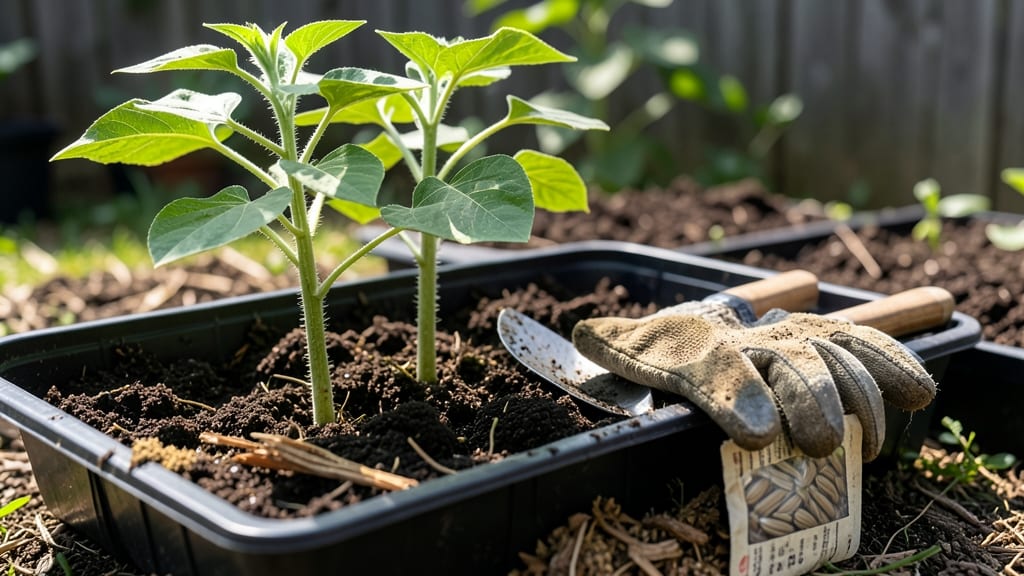
Planting sunflowers in Tennessee at the wrong time can mean the difference between a vibrant summer garden and a sad, frost-nipped disappointment. With the state's diverse microclimates—from the humid East to the drier West—getting the timing right is key to growing those towering 🌻 beauties that reach for the sky.
Most Tennessee gardeners in zones 6a-7b should wait until April or early May, after the last frost date (typically mid-April), to plant sunflower seeds directly in the ground.
But here's the catch: high-altitude areas might need to wait until late May, while lowland regions can start as early as March in milder pockets.
Why does timing matter so much? Sunflowers are heat-lovers, and planting too early risks stunted growth or frost damage. But don't worry—this guide will walk you through the exact frost-free windows for your specific Tennessee region, plus heat-tolerant varieties that thrive in the state's summer heat.
Whether you're a first-time gardener or a seasoned pro, you'll discover how to maximize your sunflower season, from container planting for small spaces to succession strategies for fall blooms. Let's get those seeds in the ground at the perfect moment!
Tennessee sunflower planting dates by zone: frost-free timing and heat tolerance
Tennessee’s diverse climate—from the humid East to the warmer West—means sunflower planting dates vary by USDA zone. Most of the state falls in zones 6a-7b, with last frost dates ranging from early April in West TN to late April in East TN.
Planting too early risks frost damage, while late planting may delay blooms until fall.
For optimal sunflower growth, aim to plant seeds 1-2 weeks after your area’s last frost date. In West TN (zones 7a-7b), this typically means mid-April to early May. East TN gardeners (zones 6a-6b) should wait until late April to early May to avoid frost.
Sunflowers thrive in Tennessee’s heat, but early spring planting (March) is only safe in West TN’s warmer microclimates. Most varieties need 60-90 days to mature, so late May plantings may still yield summer blooms, though they’ll be smaller.
🌱 Pro Tip: Use black plastic mulch to warm soil faster in cooler zones, extending your planting window by 1-2 weeks.
Tennessee Sunflower Planting Guide by Zone
| Zone | Last Frost | Ideal Planting Window | Heat-Tolerant Varieties |
|---|---|---|---|
| West TN (7a-7b) | Mid-April | Mid-April - Early May | 'Mammoth Russian', 'Autumn Beauty' |
| Middle TN (6b-7a) | Late April | Late April - Early May | 'ProCutor Hybrid', 'Teddy Bear' |
| East TN (6a-6b) | Late April | Late April - Mid-May | 'Sunspot', 'Little Becka' |
🌻 Note: Adjust for high-altitude areas (e.g., Smoky Mountains) by planting 2 weeks later.
If you’re growing giant sunflowers like 'Mammoth Russian', prioritize early May planting—these need 120+ days to reach their full 10-14 ft height. For dwarf varieties (1-3 ft), you can plant as late as June for fall color.
Tennessee’s humid summers can stress sunflowers, so choose disease-resistant varieties like 'ProCutor Hybrid' if you’re in East TN. Always plant in full sun (6+ hours daily) and well-draining soil to prevent root rot.
For container gardening, use dwarf varieties and plant in 5-gallon pots with fast-draining mix. Containers warm up faster, so you can plant 2 weeks earlier than in-ground.
💧 Watering Tip: Deep water 1-2 inches per week during establishment, then reduce to weekly deep watering once plants are 12 inches tall.
Missed the spring window? Don’t worry—sunflowers are heat-tolerant and can handle late summer plantings (June-July) for fall blooms. Just expect smaller flowers and shorter stems.
Tennessee sunflower planting dates by zone: frost-free timing and heat tolerance
Tennessee’s diverse climate means your planting window depends heavily on your USDA zone (6a-7b) and microclimate.
Most gardeners should aim for April to early May, but high-altitude areas like the Great Smoky Mountains may need to wait until late May, while lowland regions can start as early as mid-March in sheltered spots.
Sunflowers are heat-loving annuals, so planting too early risks frost damage. Always check your last frost date—typically mid-April for most of Tennessee—but verify with local sources like the Tennessee State University Extension for precision.
Here’s a quick breakdown of ideal planting windows by Tennessee region:
| Region | USDA Zone | Last Frost Date | Ideal Planting Window | Heat-Tolerant Variety |
|---|---|---|---|---|
| West Tennessee (Memphis, Nashville) | 7a-7b | Mid-April | Late March to early April | 'Autumn Beauty' |
| Middle Tennessee (Chattanooga) | 6b-7a | Early April | Early April to mid-May | 'Mammoth Russian' |
| East Tennessee (Knoxville) | 6a-6b | Late April | Late April to early June | 'Teddy Bear' |
| High Altitude (Great Smoky Mtns) | 5b-6a | Early May | Late May to early June | 'ProCut' |
For container gardening, start seeds indoors 4-6 weeks before your last frost date. Use biodegradable pots to avoid transplant shock when moving outdoors. This method works well for dwarf varieties like 'Little Becka' (1-2 feet tall), perfect for patios or small yards.
Pro tip: If you miss the spring window, don’t despair! Sunflowers are heat-tolerant and can handle late plantings. Try sowing in June or July for fall blooms, though expect shorter stems. Just ensure 6+ hours of sunlight daily for best results.
Always plant seeds 1 inch deep and 6 inches apart in well-draining soil. Amend heavy clay soils with compost to improve drainage—a common issue in Tennessee’s humid climate. 🌱