
Plants
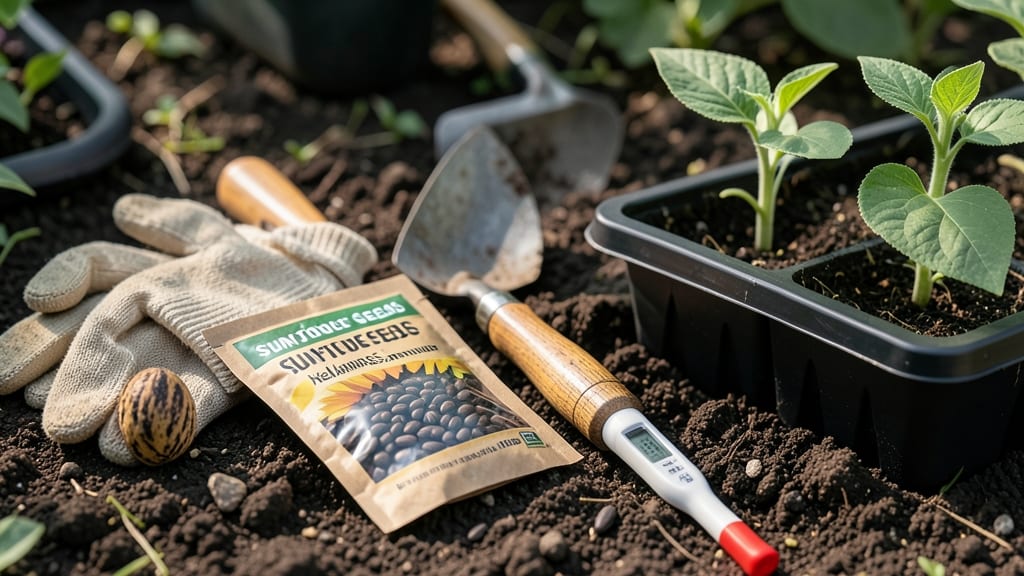
If you've ever dreamed of growing towering 🌻 sunflowers that reach for the sky, knowing when do you plant sunflower seeds in Michigan is the first step to unlocking their full 12-foot potential.
Michigan's climate presents a unique challenge - get the timing wrong, and your plants might never reach their full height. The key to success lies in understanding your specific hardiness zone and when the last frost has passed.
Most Michigan gardeners in zones 5-6 should plant sunflower seeds after the soil warms to at least 55°F, typically between late April and early June. This window gives your sunflowers the 75-90 days of growing season they need to mature before fall's first frost arrives.
I've learned through experience that planting too early risks frost damage to young seedlings, while waiting too long can result in stunted growth. The perfect balance means your sunflowers will have plenty of summer sun to reach their impressive heights.
Whether you're a seasoned gardener or just starting your sunflower journey, I'll walk you through the exact planting timeline for Michigan's climate zones, plus essential tips to ensure your sunflowers grow tall and strong for your summer garden.
Michigan sunflower planting deadlines by hardiness Zone (5-6) for maximum height
Michigan’s USDA Zones 5-6 mean your sunflower planting window is tight—just 100-120 frost-free days to grow 8–12-foot stalks. In Zone 5 (northern MI), aim for April 15–May 15; in Zone 6 (southern MI), extend to April 30–June 1.
These dates align with soil temperatures hitting 55°F+, when seeds sprout reliably.
Missed the spring window? Try late summer (August) for fall-blooming varieties like ‘Autumn Beauty,’ but expect shorter stalks (5–6 ft). The key is soil warmth, not calendar dates—use a soil thermometer to confirm readiness before planting.
| Zone | Last Frost Date | Ideal Planting Window | Soil Temp Threshold | Expected Height |
|---|---|---|---|---|
| Zone 5 | Mid-May | April 15–May 15 | 55°F+ | 8–10 ft |
| Zone 6 | Early May | April 30–June 1 | 55°F+ | 10–12 ft |
| Late Planting | N/A | August (fall varieties) | 60°F+ | 5–6 ft |
🌱 Pro Tip: Use black plastic mulch to warm soil 2–3 weeks earlier in Zone 5.
Planting too early? Seeds rot in cold, wet soil. Too late? Stalks mature before first frost, leaving underwhelming heights. Test soil with your finger—it should crumble easily when dry. For Zone 5 gardeners, consider staggered planting in late May for a second flush of blooms.
Sunflowers need 6+ hours of sunlight daily, so avoid shady spots. In northern Michigan (Zone 5), prioritize south-facing beds to maximize light. Dwarf varieties like ‘Teddy Bear’ (3–4 ft) tolerate partial shade better than giants like ‘Mammoth’ (12+ ft).
Michigan’s first frost typically hits mid-September in Zone 5 and late October in Zone 6. For tall varieties, aim to plant by June 15 in Zone 5 to ensure blooms before frost. Use Michigan State University’s frost calculator to pinpoint your local deadline.
Direct-sow seeds 1 inch deep, spacing them 6–12 inches apart (closer for dwarf types). Thin seedlings to 18–24 inches apart once they’re 4–6 inches tall. This prevents overcrowding, which leads to pale, leggy stalks. Mulch with straw to retain moisture and suppress weeds.
For maximum height, fertilize with 10-20-10 bloom booster when seedlings emerge. Avoid nitrogen-heavy feeds—this promotes foliage over flowers. Water deeply 1–2 times weekly, especially during Michigan’s dry summers. Drip irrigation works best to keep stems firm and upright.
🌻 Track your sunflower’s growth with this height timeline:
- Week 1: Sprouts appear
- Week 3: First true leaves
- Week 6: Stalk elongation begins
- Week 10–12: Buds form (peak watering time!)
- Week 14–16: Full bloom (harvest seeds or enjoy flowers)
Michigan sunflower planting deadlines by hardiness Zone (5-6) for maximum height
Michigan’s hardiness zones 5-6 create distinct planting windows for sunflowers, where even a few weeks difference can mean the difference between 12-foot giants and stunted plants.
In Zone 5 (northern Michigan), aim for planting between May 1–June 1 after the last frost, while Zone 6 (southern Michigan) gardeners have a slightly earlier window of April 15–May 15.
Sunflowers need 75–90 frost-free days to mature, so timing is critical. Planting too early risks frost damage to young seedlings, while late planting may result in plants that never reach their full height before fall frosts arrive.
Here’s how Michigan’s planting windows compare for optimal sunflower growth:
| Zone | Last Frost Date | Ideal Planting Window | Soil Temp Requirement | Expected Height |
|---|---|---|---|---|
| Zone 5 | May 1–15 | May 1–June 1 | 55°F+ | 8–10 ft |
| Zone 6 | April 15–May 1 | April 15–May 15 | 55°F+ | 10–12 ft |
In my experience, Zone 6 gardeners often achieve taller sunflowers because they have a longer growing season. I’ve seen ‘Mammoth’ sunflowers reach 12 feet when planted in early May, while Zone 5 plants may max out at 10 feet if planted later than June 1.
For both zones, use a soil thermometer to confirm the ground has warmed to 55°F before planting. Cold soil delays germination, leading to uneven growth. If you’re unsure about your last frost date, check the Michigan State University Extension frost calendar for your specific county.
Pro tip: Plant sunflower seeds ½ inch deep and 6 inches apart in rows spaced 2 feet apart. This spacing ensures each plant gets enough sunlight and air circulation to grow tall and strong.
Remember, sunflowers thrive on full sun—at least 6 hours of direct sunlight daily. If your garden doesn’t get enough sun, consider planting them near a south-facing fence or wall to maximize their growth potential.