
Plants
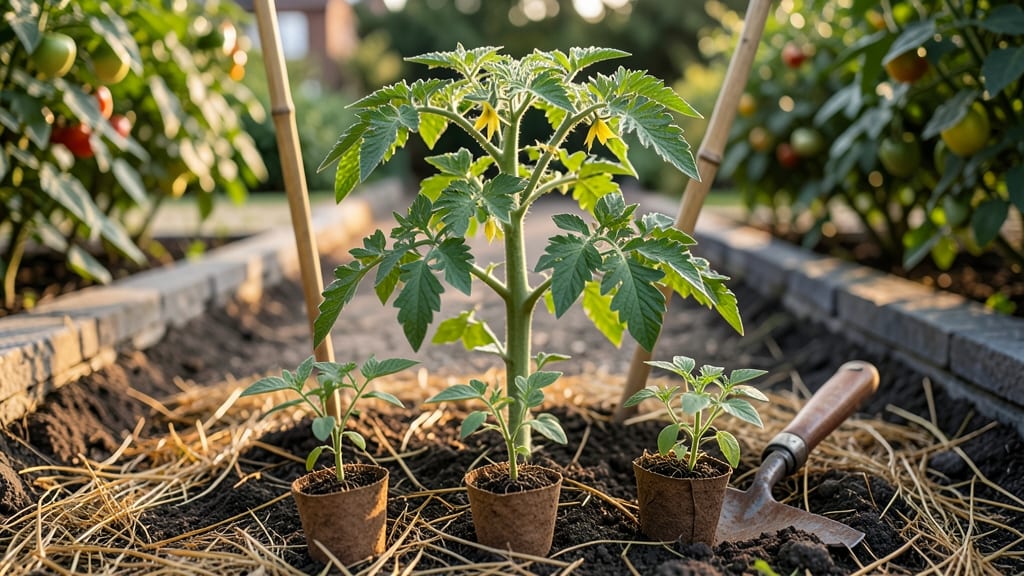
When do you plant tomatoes in Pennsylvania? Timing your tomato planting isn’t just about luck—it’s the key to a bountiful harvest. Whether you're a seasoned gardener or just starting, getting those 🍅 seedlings in the ground at the right moment means the difference between thriving vines and wilted dreams.
With Pennsylvania's 5b-7a zones, you've got a narrow window between April 15 and June 1 to plant after the last frost. But here's the catch: soil temperature matters just as much as calendar dates.
Cold soil slows germination, while waiting too long risks stunted growth before summer heat sets in.
I'll walk you through exactly when to start seeds indoors, when to transplant seedlings, and how to adjust for your specific microclimate. By the end, you'll know not just when to plant, but how to give your tomatoes the best possible start.
Let's turn those frost-free days into a tomato lover's paradise—no guesswork, just proven strategies for Pennsylvania gardens.
Pennsylvania tomato planting schedule by hardiness zone (exact weeks before last frost)
Pennsylvania spans USDA Zones 5b-7a, meaning your last frost dates can vary by 2-3 weeks from northwest to southeast. For tomatoes, timing isn't just about frost—it's also about soil temperature (aim for 60°F+) and daytime warmth.
Plant too early, and cold soil stunts roots; too late, and your harvest window shrinks. Let's break it down by zone so you can set your calendar now.
Most Pennsylvania gardeners wait until 2-4 weeks after the average last frost date to plant tomatoes outdoors. This gives young plants time to acclimate and establish roots before summer heat arrives.
For zone 5b (northwest PA), that’s typically May 1-15, while zone 7a (southeast PA) can start as early as April 15-30. Use your local cooperative extension service for precise frost dates—some years, late frosts hit in early May even in warmer zones.
Here’s the golden rule: Never plant tomatoes when nighttime temps dip below 50°F. Young plants can survive brief chills, but prolonged cold causes blossom drop and stunted growth. If you’re eager to start early, use row covers or a cold frame to protect seedlings until soil warms.
For container gardening, wait until nighttime temps stay above 55°F—containers cool faster than in-ground beds.
🌱 Pennsylvania Tomato Planting Timeline by Zone
| Zone | Last Frost Date | Optimal Planting Window | Soil Temp Goal | Notes |
|---|---|---|---|---|
| 5b (Erie, State College) | May 1-15 | May 15-June 1 | 60°F+ | Use row covers for early starts |
| 6a (Harrisburg, Allentown) | April 20-May 5 | April 30-May 15 | 60°F+ | Black plastic mulch warms soil faster |
| 6b (Lancaster, York) | April 15-30 | April 25-May 10 | 60°F+ | Early varieties thrive here |
| 7a (Philadelphia, Pittsburgh) | April 1-15 | April 15-30 | 58°F+ | Longer growing season—try late varieties |
📅 Pro Tip: Mark your calendar for June 1 as the absolute last date to plant tomatoes in PA—any later, and your harvest may not mature before frost.
If you’re starting tomatoes from seeds indoors, begin them 6-8 weeks before your last frost date. For zone 5b, that means early March, while zone 7a gardeners can start seeds in late February.
Use grow lights to provide 14-16 hours of light daily—tomatoes need more daylight than natural winter windows offer. Harden off seedlings for 1-2 weeks before transplanting to avoid transplant shock.
For transplants, buy healthy 6-inch-tall seedlings from nurseries once soil is workable (usually 2 weeks after last frost). Avoid planting during heatwaves—temps above 85°F can stress young plants.
Instead, opt for early morning or late afternoon transplanting to reduce stress. Water deeply before and after transplanting to help roots establish.
One common mistake is overestimating your growing season. While Pennsylvania’s 165 frost-free days sound generous, late summer heat can slow tomato growth.
To maximize your harvest, choose early-maturing varieties (like ‘Early Girl’ or ‘Stupice’) if you’re in zone 5b, or heat-tolerant varieties (like ‘Solar Fire’ or ‘Heatmaster’) for zone 7a.
Extend your season with season extenders: Use row covers to protect plants from late spring frosts or early fall chills. In zone 5b, a low tunnel can add 2-3 extra weeks of growing time in fall.
For containers, move pots to sheltered spots or even indoors near a sunny window if frost threatens. With the right timing and a little protection, you can enjoy homegrown tomatoes until October—or even later!
Remember, tomatoes are heat-lovers, so the earlier you can get them into warm soil, the better. But don’t rush—cold soil = slow growth.
How to adjust tomato planting for early vs late varieties in Pennsylvania
Pennsylvania’s diverse climate means not all tomatoes thrive on the same schedule. Heirloom varieties like Brandywine need warm soil and long summers, while cherry tomatoes like Sweet 100 tolerate cooler temps better. Your choice affects when—and how—you plant.
Early varieties (like Stupice) can handle cooler soils and shorter seasons, while late varieties (like Beefsteak) demand heat and sunlight. If you’re in Zone 5b, plant early types 2–3 weeks before late varieties to maximize your harvest window.
For greenhouse or row cover growers, you can push the envelope: start heat-loving tomatoes indoors 8–10 weeks before your last frost, then transplant under protection. This extends your season by 4–6 weeks.
- Tolerates cooler soils (50°F+)
- Faster maturity (60–70 days)
- Good for short seasons
- Larger fruit yield
- Better flavor development
- Longer harvest window
- Smaller fruit size
- Sensitive to late blight
- Needs earlier planting
- Requires warmer soil (60°F+)
- Slower to mature (75–90 days)
- Risk of blossom drop in heat
If you’re in Zone 6 or 7, you can experiment with succession planting: sow early varieties in late April and late varieties in early June for a staggered harvest. This works especially well for cherry tomatoes, which produce prolifically.
For container gardening, stick to determinate varieties (like Roma) and plant them 2–3 weeks later than in-ground tomatoes. Containers warm up faster but dry out quicker, so adjust your schedule accordingly.
Pro tip: Use a soil thermometer to confirm soil temps before planting. 60°F+ is ideal for most tomatoes, but early varieties can tolerate 50°F+. If temps drop below 55°F, delay planting or use row covers to protect seedlings.