
Plants
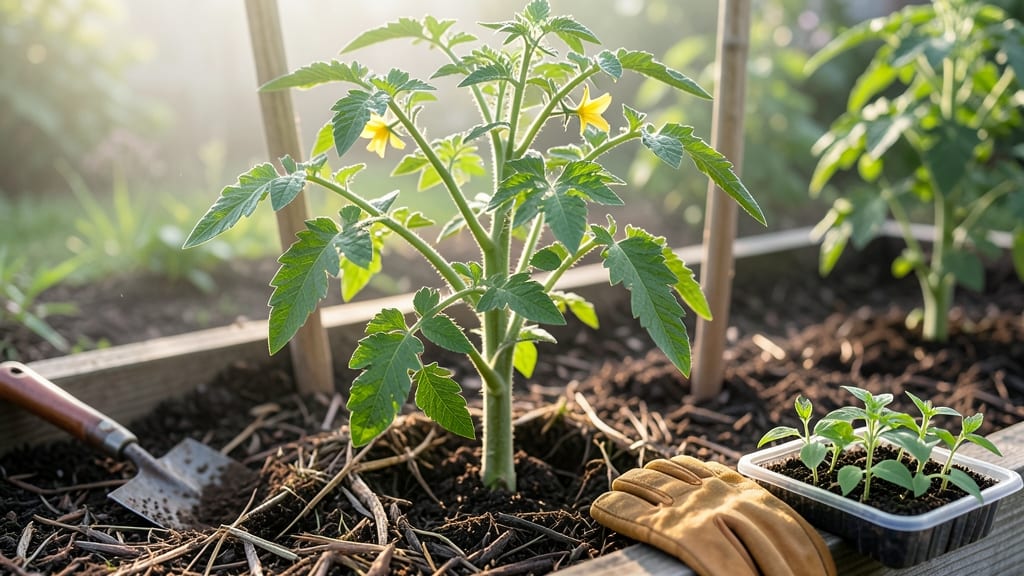
If you’ve ever wondered when to plant tomatoes in Washington State, timing is everything—get it wrong, and you’ll either lose your plants to frost or watch them wilt in summer heat.
With USDA zones 6-8 and microclimates ranging from Seattle’s coastal chill to the Yakima Valley’s dry heat, there’s no one-size-fits-all answer. But here’s the good news: with the right schedule, you can enjoy homegrown 🍅 from June through October, no matter where you garden in the Evergreen State.
Most gardeners in Western WA (like the Puget Sound) can start transplanting outdoors between April 15 and May 15, once soil hits 60°F and nighttime temps stay above 50°F.
Eastern WA growers, though, have a shorter window—typically May 1 to June 1—to avoid the region’s intense summer heat. Whether you’re sowing seeds indoors in March or buying transplants, knowing your last frost date (which varies wildly across the state) is the key to success.
What I’ve learned after years of gardening in Washington’s unpredictable climate? The best approach depends on your location. Coastal areas like Olympia can plant earlier, while inland spots like Spokane need to wait until after May 15.
And if you’re using containers or greenhouses, you’ve got even more flexibility—just watch those soil temps and adjust accordingly. Let’s break down the exact deadlines for your region so you can start planting with confidence.
You’ll also discover how to handle Washington’s quirks—like sudden cold snaps or early heatwaves—that can throw off even the most careful gardeners. From choosing the right tomato varieties to extending your season with row covers, I’ll share the most important tips to ensure your plants thrive from seed to harvest.
Ready to grow your best tomatoes yet?
Washington State tomato planting deadlines by region: frost dates & microclimates
Washington State’s diverse microclimates create wildly different tomato planting windows. In Western WA (Seattle, Portland), coastal fog delays frost, while Eastern WA (Spokane, Yakima) faces earlier springs. Your last frost date isn’t just a number—it’s the difference between a bountiful harvest and a sad, frost-nipped failure.
Let’s break it down by region so you can plant with confidence.
For risk-averse gardeners, I recommend waiting until mid-May in most areas—even if the calendar says spring. Washington’s unpredictable weather can bring late frosts well into April, especially in valleys like the Skagit Valley or Columbia Gorge.
Urban areas like Seattle often warm up faster than rural spots, thanks to the heat island effect.
Here’s your region-specific planting timeline, including soil temperature thresholds (critical for tomato success) and microclimate adjustments:
| Region | Last Frost Date | Safe Transplant Window | Soil Temp Threshold | Microclimate Notes |
|---|---|---|---|---|
| Western WA (Seattle, Olympia) | May 1 - May 15 | May 15 - June 1 | 60°F+ consistently | Coastal fog delays warming; urban areas 2-3°F warmer |
| Puget Sound (Bellevue, Tacoma) | April 25 - May 10 | May 10 - May 25 | 55°F+ (cooler coastal areas) | Low-lying areas risk late frosts; hills warm faster |
| Eastern WA (Spokane, Wenatchee) | April 1 - April 15 | April 15 - May 1 | 50°F+ (earlier but drier) | Desert areas warm fast; mountain valleys stay cool |
| Columbia Basin (Yakima, Pasco) | March 20 - April 5 | April 5 - April 20 | 55°F+ (arid climate) | Early planting possible but risk of heat stress in summer |
If you’re starting tomatoes indoors, begin seeds 6-8 weeks before your region’s last frost. For Western WA, that means mid-March sowing; in Eastern WA, you can start as early as late February. Use a heat mat to speed germination—tomatoes hate cold, slow starts.
For container gardening, add 2-3 weeks to your outdoor transplant window. Pots heat up faster in sun but also cool down quicker at night. Place containers near south-facing walls to extend the season by 10-14 days.
In Eastern WA’s hotter zones, use shade cloth during July to prevent sunscald on fruits.
Pro tip: Check the National Weather Service’s local frost advisories for your specific ZIP code. Areas like Mount Vernon or Woodinville often have 10+ day differences in frost dates compared to Seattle proper. When in doubt, wait one more week—your tomatoes will thank you with bigger yields.
Remember, soil temperature matters more than air temperature. Use a soil thermometer ($10 at garden centers) to confirm 60°F+ before planting. Cold soil stunts root growth, leading to blossom end rot later in the season.
In cooler microclimates, opt for black plastic mulch to warm the soil by 5-10°F.
For succession planting, make a second transplant in early July (Western WA) or mid-June (Eastern WA) for a fall harvest. Choose early-maturing varieties like ‘Early Girl’ (55 days) to beat the first frost.
In USDA Zone 8a (e.g., Longview), you might squeeze in three plantings if you’re bold!
🌱
How to adjust tomato planting for Washington’s unpredictable weather patterns
Washington’s spring weather can be as unpredictable as a Pacific Northwest rainstorm—one day it’s 55°F, the next it drops back to 40°F. If you’ve ever planted tomatoes too early and watched them wilt from a late frost, you know how quickly things can go wrong.
The key to success? Flexible strategies that account for Washington’s microclimates and sudden shifts. Whether you’re in Seattle’s coastal chill or Spokane’s inland heat, adjusting your approach can mean the difference between a bountiful harvest and a failed crop.
I’ve learned the hard way that row covers and cold frames are my best friends in early spring. These tools let me plant transplants 2-3 weeks earlier than the official last frost date—critical in regions like Western WA, where frosts can linger into mid-May.
For example, in Olympia, I’ve successfully transplanted tomato seedlings as early as April 1 under a floating row cover, giving my plants a 4-6 week head start before removing the cover in late May.
Here’s the visual guide to Washington’s weather adjustment strategies—what to do and what to avoid based on your region:
⚠️ Washington Weather Pitfalls & Fixes
- Problem: Late frosts in Western WA (e.g., Seattle, Bellingham). Fix: Use row covers or plant in microclimate hotspots (south-facing slopes).
- Problem: Early heat in Eastern WA (e.g., Yakima, Wenatchee). Fix: Choose heat-tolerant varieties like ‘Solar Fire’ and mulch heavily.
- Problem: Coastal fog delaying soil warming. Fix: Use black plastic mulch to raise soil temps by 5-10°F.
- Problem: Urban heat islands (e.g., Spokane, Tacoma). Fix: Plant in late May to avoid 90°F+ stress.
Pro Tip: Always check soil temperature with a thermometer—60°F is the minimum for tomato roots to thrive.
Another game-changer? Succession planting. In Eastern Washington’s short season, I plant fast-maturing varieties like ‘Stupice’ every 2 weeks from May 1 to June 1 to stagger harvests. This ensures I’m picking tomatoes through September instead of just July-August.
For Western WA, where the season is longer, I focus on heat-resistant varieties like ‘Mountain Merit’ to handle the summer heatwaves that can turn fruit blossom-end rot.
If you’re using a greenhouse or cold frame, you can push the envelope even further. I’ve had success starting tomato seeds indoors in March and transplanting them into a low tunnel by April 15 in Zone 7 areas like Walla Walla.
The tunnel keeps nighttime temps above 50°F, protecting young plants from chilly nights. Just remember: ventilate on warm days to prevent heat stress.
One mistake I see new gardeners make? Planting too early in low-lying areas where cold air pools. If your yard is in a valley or depression, wait until mid-May to transplant—even if your neighbors in higher elevations are planting earlier.
And always avoid overwatering in cool, damp springs, which can lead to fungal diseases like early blight.
By combining regional timing with these weather-proofing tactics, you’ll turn Washington’s quirks into advantages. Next, we’ll dive into the best tomato varieties for each of the state’s distinct growing zones—because not all tomatoes are created equal when it comes to Puget Sound humidity or Yakima Valley heat.