
Vegetables
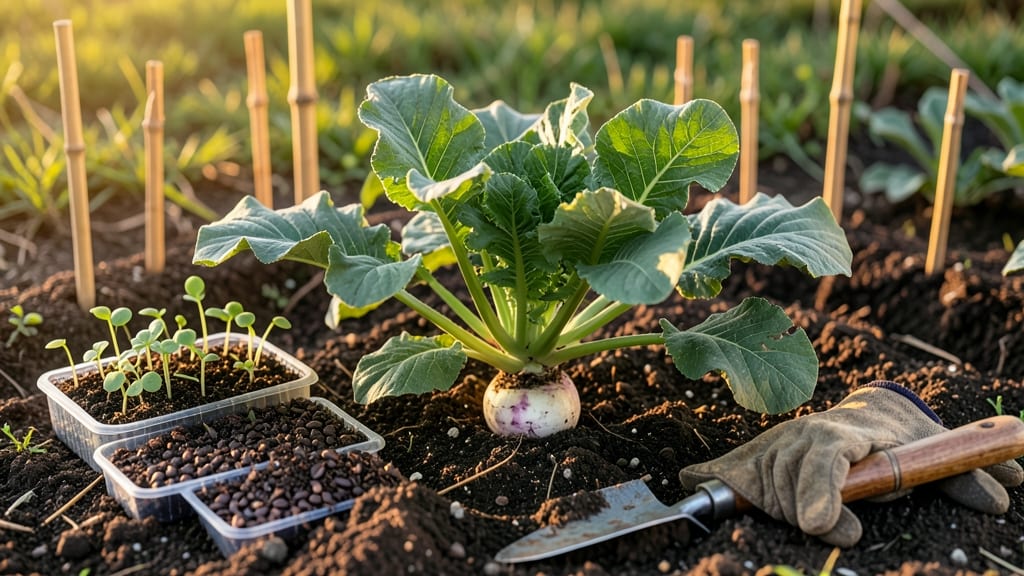
Planting turnips in the fall at the wrong time can turn your crisp, sweet harvest into bitter disappointment—but get the timing right, and you’ll enjoy fresh, cold-hardy 🥕 roots straight through winter.
The secret lies in starting 4-6 weeks before your first frost, a window that shifts dramatically depending on your USDA zone.
In Zone 6a (like much of the Midwest), that means planting by October 15 to give turnips enough time to mature before winter sets in. Miss this deadline, and you risk bolting—when turnips flower prematurely, leaving you with tough, woody roots instead of the tender treats you’re after.
What makes fall turnips so rewarding is their ability to thrive in cooler weather, delivering harvests when many other crops fade out. With the right variety and a little planning, you can enjoy turnips from late fall well into winter—no greenhouse required.
I’ll walk you through the exact planting schedule for your zone, soil prep tricks to prevent bolting, and the best cold-tolerant varieties to keep your garden productive until the snow flies. Let’s make this your best turnip season yet.
Fall planting calendar for turnips by USDA hardiness zones (with exact dates)
Timing your turnip planting is the secret to sweet, tender roots that won't bolt before winter. In fall, we're working against the clock—4-6 weeks before your first frost is the golden window.
Miss it, and you risk bitter roots or wasted effort. Let's break down the exact dates for your USDA hardiness zone so you can plan with confidence.
Turnips thrive in cool weather, but they despise heat and frost. The goal is to plant early enough for roots to mature before temperatures drop below 20°F (-6°C). In most regions, this means starting seeds or setting out transplants in late summer to early fall.
The exact timing varies by zone, so let's dive into the specifics.
Here's the critical rule: Count back 4-6 weeks from your average first frost date. For example, if your frost arrives November 15, plant by October 1 (6 weeks out). This gives turnips 50-60 days to mature—just enough time for roots to reach harvest size before winter sets in.
Notice how the planting window shifts later as you move south? In Zone 3-4, you might need to start seeds indoors in mid-August to beat the early frost. Meanwhile, gardeners in Zone 9-10 can plant as late as mid-November and still enjoy a harvest before winter.
Always check your local frost date averages—they can vary by 1-2 weeks even within the same zone.
Pro tip: Use succession planting to extend your harvest. Sow a second batch 3-4 weeks after your first planting to ensure a steady supply of fresh turnips.
This works especially well in Zones 5-8, where you have a longer fall window. Just make sure your second planting still finishes before hard frost.
For container gardeners or those with short seasons, focus on fast-maturing varieties like 'Tokyo Cross' (30 days) or 'Purple Top White Globe' (50 days). These give you the best chance to harvest before winter arrives.
In my Zone 6a garden, I always plant 'Tokyo Cross' in early September for a quick harvest before the first frost hits.
One common mistake is planting too late. If you miss your window, turnips may bolt (flower) prematurely, producing bitter, woody roots instead of the sweet, tender varieties we love.
Always double-check your last frost date and adjust accordingly. Some years, an early cold snap can push your planting window 2 weeks earlier—so stay flexible!
Remember: Soil temperature matters just as much as air temperature. Turnip seeds need soil that's 40-75°F (4-24°C) to germinate properly. If your soil is still warm from summer, wait until temperatures drop before planting. A soil thermometer is worth its weight in gold for fall planting success.
Finally, don't forget about regional microclimates. A south-facing garden bed stays warmer longer than a north-facing one, giving you an extra 1-2 weeks of growing time. Use this to your advantage by planting later in warmer spots or earlier in cooler areas of your yard.
Fall planting calendar for turnips by USDA hardiness zones (with exact dates)
Timing your fall turnip planting is all about working with your local climate—not against it. Since turnips need 4-6 weeks to mature before winter sets in, your planting window shifts dramatically depending on whether you're in Zone 3 (like Minnesota) or Zone 10 (like Southern California).
In colder zones, you might plant as early as late August, while warmer zones can extend planting into early November.
I’ve planted turnips in Zone 6a for years, and I can tell you: missing the deadline by even a week can mean the difference between sweet, tender roots and bitter, woody failures. The key is to calculate your first frost date and count backward.
For example, if your first frost arrives on November 15, plant by October 1 to ensure a harvest before winter.
Below is your zone-by-zone planting schedule, including the last possible planting date for each region. Use this as your roadmap to avoid the common mistake of planting too late and ending up with bolting turnips.
| USDA Zone | Ideal Planting Window | Last Possible Planting Date | First Frost Date |
|---|---|---|---|
| 3-4 (e.g., Northern Plains) | Late August - Early September | September 15 | October 30 |
| 5-6 (e.g., Midwest, Northeast) | Mid-September - Early October | October 15 | November 15 |
| 7-8 (e.g., Southeast, Pacific Northwest) | Late September - Mid-October | October 30 | December 15 |
| 9-10 (e.g., Southern California, Florida) | October - Early November | November 15 | January 15 |
*Adjust dates based on your local microclimate and historical frost data.
Pro tip: If you’re in a warmer zone (7-10), you can extend your harvest by planting a second crop in late fall—just choose quick-maturing varieties like 'Tokyo Cross' (ready in 30 days).
In colder zones, focus on cold-hardy varieties like 'Purple Top White Globe', which can tolerate light frosts.
One mistake I made early in my gardening journey was planting turnips too close to frost. The roots turned woody and bitter—until I learned to harvest before the first hard freeze. Even in winter, you can protect turnips with row covers or mulch to extend their season.
For container gardeners, aim to plant by October 1 in most zones, as pots freeze faster than in-ground soil. Use black plastic mulch to warm the soil and give your turnips a head start.