
Planting
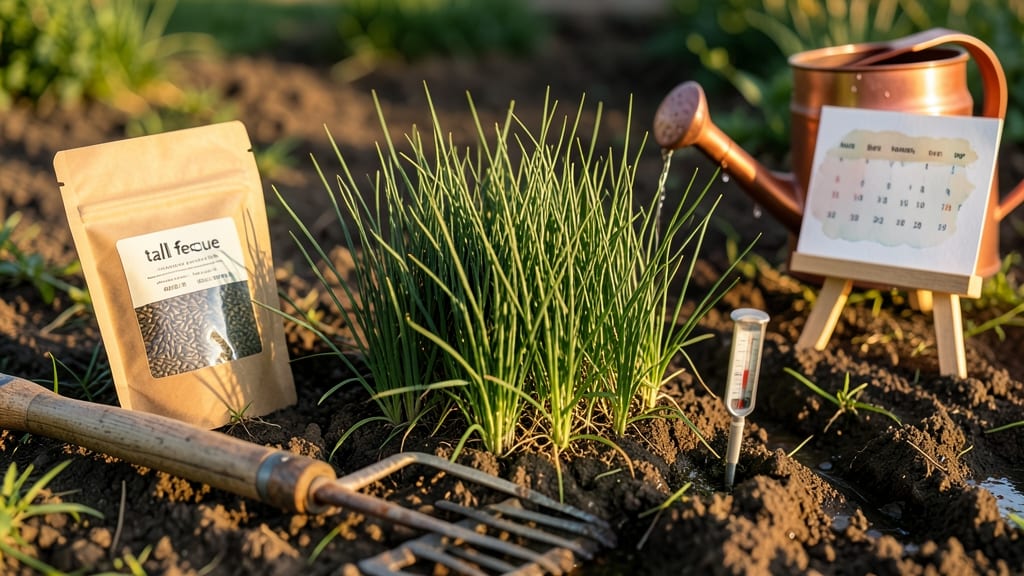
If you’ve ever stared at a calendar in late September and wondered, "When is it too late to plant grass seed in Kentucky?", the answer depends on more than just the date—it’s about soil temperature, county frost risks, and the type of turfgrass 🌱 you’re growing.
Kentucky’s 6a-7a climate zones create a tricky balance: Plant too late, and your grass may never establish before winter’s first frost. But with the right timing, you can still achieve a lush lawn.
The key? Knowing your county’s exact deadline—and how to work with Kentucky’s humid summers and unpredictable fall weather.
In this guide, I’ll break down the last safe planting dates for cool-season and warm-season grasses, including soil temperature thresholds and county-specific deadlines. You’ll also discover how to extend your planting window with simple techniques, so you don’t miss your chance for a perfect spring lawn.
Whether you’re a first-time homeowner or a seasoned gardener, these insights will help you avoid weak growth and winter kill—so your turfgrass thrives, not just survives.
Kentucky grass seed last planting dates by county: exact deadlines before frost risk
Kentucky’s diverse climate means your last planting date for grass seed depends entirely on your county. Northern regions like Boone County face frost by mid-October, while southern counties like Madison County can extend planting until late October.
These deadlines aren’t just about calendar dates—they’re tied to soil temperatures and historical frost patterns that vary by just 30 miles. Missing these windows risks weak germination or winter kill, leaving you with patchy lawns for years.
Most Kentucky homeowners focus on cool-season grasses like tall fescue or Kentucky bluegrass, which thrive in fall planting. But if you’re growing warm-season varieties (Bermuda, zoysia), your deadline shifts later.
The key is understanding your USDA hardiness zone—zones 6a–7a dominate Kentucky, but microclimates (like river valleys or mountain slopes) can shift your deadline by 1–2 weeks. For example, a Lexington lawn might have a September 30 cutoff, while one in Hopkinsville could stretch to October 25.
📋 Visual Reference: Use this comparison table to find your county’s exact deadline, then cross-check with your local Cooperative Extension Service for hyper-local adjustments. Remember: Soil temperature is your true deadline—even if air temps feel warm, cold soil can stall germination completely.
| County/Region | USDA Zone | Cool-Season Grass Deadline | Warm-Season Grass Deadline | Soil Temp Threshold (°F) | First Frost Date (Range) |
|---|---|---|---|---|---|
| Northern KY (Boone, Kenton) | 6a | September 15 | October 1 | 50–55°F | October 10–20 |
| Central KY (Louisville, Lexington) | 6b–7a | September 30 | October 10 | 55–60°F | October 20–November 1 |
| Southern KY (Madison, Hopkinsville) | 7b | October 15 | October 25 | 60–65°F | November 5–15 |
To confirm your county’s exact deadline, start with the Kentucky Climate Center’s frost data (available at [kyclimate.org](https://kyclimate.org)). Their interactive maps show 30-year averages for first frost dates, which align closely with safe planting windows.
For example, Berea (zone 6a) typically sees frost by October 15, while Bowling Green (zone 7a) often holds off until November 1. Always adjust for microclimates: Valleys frost earlier, and south-facing slopes may stay warm enough for 1–2 extra weeks of planting.
Pro tip: Bookmark your local Cooperative Extension Service page (e.g., UK Extension). They offer free soil tests and can advise on late-season soil warming tricks, like using black plastic mulch to extend your window by 7–10 days.
Don’t assume your neighbor’s deadline applies to you—even adjacent counties can have 10°F soil temperature differences in fall.
If you’re on the fence about timing, prioritize soil temperature over the calendar. A soil thermometer ($10 at garden centers) will tell you the truth: 50°F is the magic number for cool-season grasses, while warm-season types need at least 65°F. Planting when soil is 48°F (like that Lexington case
Soil temperature rules for grass seed germination in Kentucky: the hidden factor most gardeners miss
Kentucky gardeners often focus on frost dates when planning grass seed, but soil temperature is the real deadline-maker. While air temps might feel mild in October, your soil could still be too cold for germination.
Cool-season grasses like tall fescue and Kentucky bluegrass need soil between 50–65°F to sprout successfully. Warm-season varieties like Bermuda or zoysia fare better at 65–75°F, but even they struggle below 60°F. The disconnect?
Soil cools 3–5°F slower than air, creating a false sense of safety when checking weather forecasts.
We once saw a Lexington gardener plant turf-type tall fescue on October 5th when air temps hovered around 60°F. The seeds sat in 48°F soil for weeks—resulting in zero germination. This mistake cost them an entire growing season.
The lesson? Always check soil temperature, not just the calendar or air thermometer. A simple soil thermometer (inserted 2–4 inches deep) reveals the truth your weather app hides.
Testing soil temperature is easier than you think. Grab a soil thermometer (available at garden centers for under $10) and insert it midday when soil is warmest. Repeat for 3–5 days to account for daily swings.
Pro tip: Test in full sun and shade—shady spots can be 5–10°F cooler, delaying germination. If your soil reads below 50°F for cool-season grasses or 60°F for warm-season types, hold off on planting until conditions improve.
Grass Seed Germination Success by Soil Temperature (°F)
🌱 Warm-season grasses (e.g., Bermuda): Optimal at 70–90°F (tolerates down to 65°F).
⚠️ Warning: Below 50°F, germination drops to <10% even with perfect moisture.
If your soil temps are hovering near the cutoff, don’t give up on your lawn dreams. Here are three proven ways to extend your planting window by 1–3 weeks without risking frost damage. First, try black plastic mulch—it raises soil temperature by 5–10°F by trapping heat.
Lay it down 1 week before planting and remove it once seedlings emerge. Second, plant a winter ryegrass cover crop in late September. It protects your soil, suppresses weeds, and improves next year’s seedbed while adding organic matter for better root growth.
For the fastest results, choose quick-germinating varieties like ‘Turf-Type Tall Fescue’ (germinates in 5–7 days at 60°F) or ‘Celebration Bermuda’ (sprouts in 7–10 days at 70°F). These varieties are bred to handle Kentucky’s unpredictable fall weather, giving you a better shot at success even when soil temps are borderline.
Pair them with a light row cover for extra insulation, and you might just push your deadline back by 2 weeks—enough to catch the tail end of the ideal planting window.