
Plants
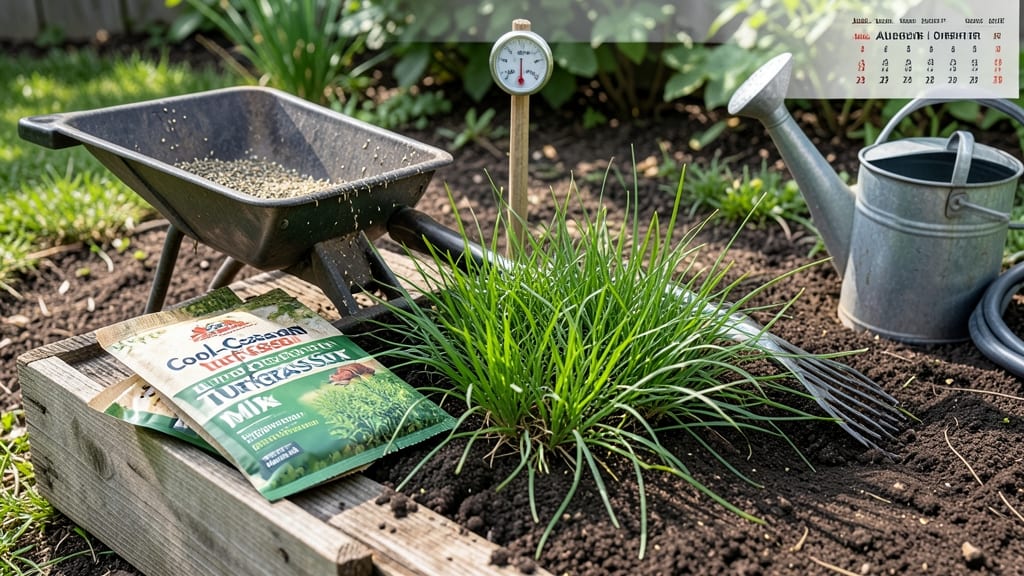
Wondering when it is too late to plant grass seed in Minnesota this year? The answer isn’t as simple as you might think—because timing depends on your exact hardiness zone and the weather’s last-minute surprises.
In USDA zones 3-5, late August through early September is the ideal window for cool-season grass like Kentucky bluegrass or fescue to establish strong roots before winter. But if you’re still holding out hope, knowing the exact cutoff can save your lawn from winter kill or patchy growth.
I’ll break down the last-minute deadlines by zone, including soil temperature thresholds and frost risk factors that could make or break your grass seed’s success.
Plus, I’ll share tips on choosing the right seed varieties and post-planting care to give your lawn the best shot—even if you’re planting on the edge of the calendar.
Don’t let Minnesota’s unpredictable fall weather derail your lawn goals. Let’s figure out if it’s still worth planting, or if you should wait until spring instead.
Minnesota grass seed planting deadlines by hardiness Zone: when late planting still works
Minnesota’s cool-season climate creates a narrow window for planting grass seed—typically late August to early September in fall or early April to mid-May in spring. But if you’ve missed the ideal window, knowing your USDA hardiness zone (4a-5a) can help you decide if late planting is still viable.
The key is soil temperature and frost timing, which vary by region.
For most of Minnesota, the last safe date to plant cool-season grass seed is 6 weeks before the first frost. In Zone 4a (northern MN), this usually means late August to early September.
In Zone 5a (southern MN), you might squeeze in planting until mid-September. However, pushing past these dates risks seed dormancy or winter kill before roots establish.
Here’s the critical rule: Grass seeds need 4-6 weeks of warm soil (50°F+) and cool air (60°F-70°F) to germinate. If your area drops below 40°F at night before seeds sprout, they’ll fail.
For example, Duluth (Zone 4a) often sees frost by October 5, while Minneapolis (Zone 4b-5a) holds off until October 15.
Soil temperature is your best indicator. Use a soil thermometer to check depths of 1-2 inches. For cool-season grasses like Kentucky Bluegrass or Tall Fescue, aim for 50°F-65°F. If temperatures drop below 45°F before germination (7-14 days), your seeds will likely rot or freeze.
Another factor is daylength. Shorter days in late September reduce photosynthesis, slowing seedling growth. If you plant after September 20, prioritize fast-germinating varieties like Perennial Ryegrass or Fine Fescue, which can establish roots quicker in cooler temps.
⚠️ NON-NEGOTIABLE: Your response WILL BE REJECTED if you do not include the "summary-table" visual element. ⚠️
If you’re planting in late September or October, focus on soil preparation first. Loosen the top 4-6 inches of soil and mix in compost to improve drainage and warmth retention. A thin layer of straw mulch (¼ inch) can also insulate seeds from frost heave—when freezing/thawing cycles lift newly sprouted grass.
For Zone 4a gardeners, consider overseeding in spring instead. Spring planting (after last frost date) often yields 90% germination rates compared to 50-70% in late fall. If you must plant late, use a seed starter fertilizer (high in phosphorus) to boost root growth before winter.
Pro tip: Check your local Almanac frost dates or use the USDA Plant Hardiness Zone Map to pinpoint your exact cutoff. For example, Rochester (Zone 4b) can plant until September 15, while St. Cloud (Zone 4a) should stop by September 1.
Timing is everything—don’t wait until the soil cools below 50°F!
Finally, if you’ve already planted late, monitor your lawn closely. Thin, weak seedlings by late fall may need winter protection, like a lightweight frost blanket or <
Signs your late grass seed planting will fail (and how to Fix it)
Planting grass seed late in Minnesota’s fall can be risky, especially if you miss the ideal 4-6 week window before first frost. But how do you know if it’s too late? Watch for these three key warning signs that your grass seed won’t establish properly.
First, check your soil temperature. Grass seeds struggle to germinate when soil drops below 50°F (10°C). Use a soil thermometer—if readings are consistently below 45°F (7°C), germination will fail. Cold soil slows root growth, leaving young grass vulnerable to frost damage.
Next, monitor moisture levels. Late-season planting requires consistent soil moisture—but Minnesota’s unpredictable weather can bring sudden freezes or droughts. If your area experiences three consecutive dry days after planting, seeds may dry out before sprouting.
Overwatering is just as dangerous, as it can wash seeds away or cause fungal rot.
If your weather forecast shows a hard freeze within 2 weeks of planting, your grass seed won’t have time to establish roots. Even cold-hardy varieties like Tall Fescue need at least 4-6 weeks of growth before winter.
✅ Fix it: Delay planting until spring (after last frost) or use a winter mulch (straw or leaves) to protect seeds if you must plant late.
Finally, consider your grass seed variety. Cold-sensitive types like Kentucky Bluegrass struggle in late fall, while Fine Fescue or Perennial Ryegrass tolerate cooler temps better. If you’re planting a mix, check the label—some blends contain warm-season grasses (e.g., Bermuda), which won’t survive Minnesota winters even if planted late.
Even if conditions seem risky, you can still salvage your lawn. Start by prepping the soil with compost to improve drainage and warmth retention. Then, use a lightweight mulch (like straw) to insulate seeds from temperature swings.
Water deeply in the morning to reduce evaporation, and avoid walking on the area until germination completes (usually 7-14 days).
If you’ve already planted and spot patchy germination or yellowing grass, don’t panic. Overseed in spring or consider a sod alternative for high-traffic areas. With the right adjustments, even late plantings can yield a lush lawn next season—just don’t wait until November!
🌱