
Plants
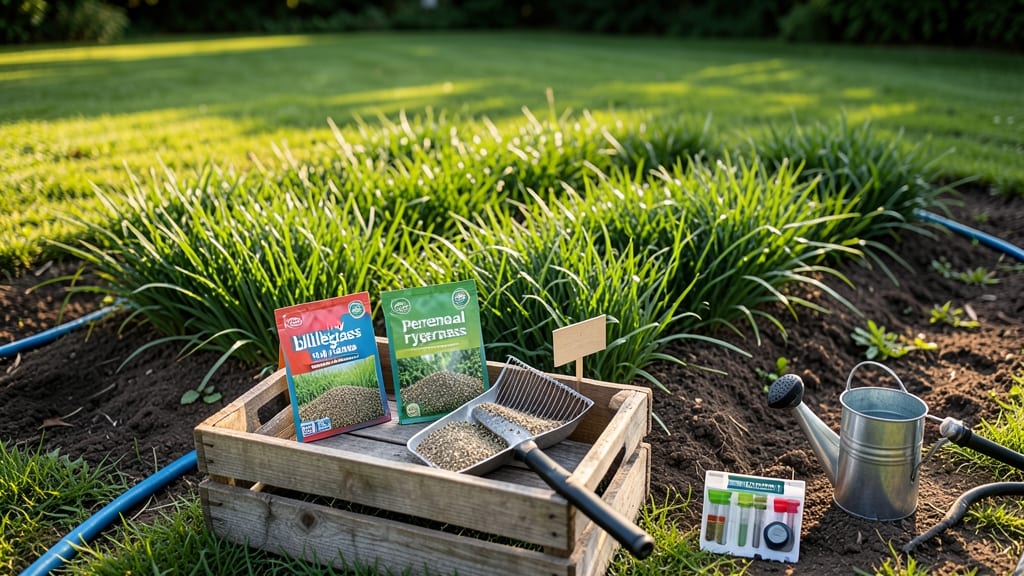
Timing your Grass (Turfgrass) planting in Kansas can make or break your lawn's survival through brutal summers—so getting it right is the key to a lush, green yard.
The difference between a thriving lawn and one that wilts under 5b-7a zone heat often comes down to planting in the ideal window when soil temperatures cooperate.
Most Kansas gardeners swear by early spring as the best time to plant, but warm-season grasses like Bermuda have their own perfect moment.
I'll break down exactly when to start seeding or sodding in your specific region, so you can avoid costly mistakes and give your 🌱 a fighting chance against summer droughts.
You might think spring is your only option, but fall planting actually gives cool-season grasses a head start for next year's growth. Let me show you how to read soil temperatures, adjust for rainfall patterns, and choose between spring and fall planting based on your grass type.
Whether you're establishing new lawns or repairing bare spots, these insights will help you plant at the optimal moment for strong root growth before Kansas' scorching summers take over. Let's get your lawn off to the right start!
Optimal Kansas grass planting months based on climate zones and grass types
Kansas spans USDA hardiness zones 5b to 7a, meaning the best grass planting windows vary between northern and southern regions. Cool-season grasses like tall fescue and Kentucky bluegrass thrive when planted in early spring (March-April) or late summer (August-September), while warm-season grasses such as Bermuda and buffalo prefer late spring to early summer (May-June).
These timing differences ensure roots establish before extreme heat or cold.
For northern Kansas (zones 5b-6a), focus on fall planting (August-September) to give grass time to develop deep roots before winter.
Southern Kansas (zones 6b-7a) benefits from spring planting (March-April) to avoid summer drought stress. Soil temperature is your best guide—plant when it reaches 55°F for cool-season grasses or 65°F for warm-season varieties.
Here’s how Kansas’ climate zones break down for optimal planting:
| Grass Type | Best Planting Window | Soil Temp Threshold | Kansas Region | Key Consideration |
|---|---|---|---|---|
| Cool-Season (Tall Fescue, Kentucky Bluegrass) | Early Spring (March-April) or Late Summer (August-September) | 55°F (13°C) | Northern Kansas (Zones 5b-6a) | Avoid summer heat stress |
| Warm-Season (Bermuda, Buffalo) | Late Spring (May-June) | 65°F (18°C) | Southern Kansas (Zones 6b-7a) | Establish before summer drought |
| Ryegrass (Temporary Cover) | Fall (September-October) | 50°F (10°C) | All Regions | Prevents erosion before spring planting |
In northern Kansas, September planting is ideal for cool-season grasses because it allows roots to grow before winter dormancy. Southern Kansas’ longer growing season means May planting works well for warm-season grasses, but avoid late summer to prevent drought stress.
Always check your last frost date—planting too early risks frost damage, while planting too late leaves grass vulnerable to summer heat.
Pro tip: Use a soil thermometer to confirm temperatures before planting. Cool-season grasses need consistent 55°F soil temps for 7-10 days, while warm-season varieties thrive at 65°F or higher. Kansas’ unpredictable spring weather makes late August to early September the safest window for cool-season grasses in most regions.
For overseeding existing lawns, aim for late summer (August) when warm-season grasses start going dormant. This gives new seeds time to germinate before winter. In southern Kansas, late spring overseeding (May) can work for warm-season grasses, but results are hit-or-miss due to summer heat.
Remember, Kansas’ drought-prone summers and freezing winters demand precise timing. Planting at the wrong time can lead to shallow roots, dormancy issues, or even lawn failure. Fall is your best bet for cool-season grasses, while spring is critical for warm-season types—but never rush it.
If you’re unsure about your zone, check the Kansas State University Extension map for exact frost dates. Their data shows northern Kansas averages 150 frost-free days, while southern Kansas enjoys 200+ days, giving you a longer window for warm-season grasses.
One final tip: Test your soil 2-3 weeks before planting to ensure pH is between 6.0 and 7.0—ideal for most grass types. Adjust with lime or sulfur if needed, and add compost to improve drainage in Kansas’ clay-heavy soils.
How to prepare Kansas soil for fall vs. spring planting success
Preparing your Kansas soil correctly is the secret to strong grass roots that survive brutal summers and freezing winters. Fall and spring demand different approaches—fall focuses on root development before winter, while spring prioritizes quick establishment before summer heat arrives.
I’ll walk you through each method so you can choose the right prep for your grass type and region.
For cool-season grasses (like tall fescue), fall prep is critical—it gives roots time to grow before Kansas’ harsh winters. In contrast, warm-season grasses (like Bermuda) need spring soil prep to handle summer droughts. The key difference? Soil temperature and moisture retention must align with your planting window.
Here’s my step-by-step guide to preparing Kansas soil for success, tailored to your planting season:
Fall Soil Prep (For Cool-Season Grasses)
- Test soil pH 4-6 weeks before planting—aim for 6.0-7.0. Kansas’ clay soils often need lime to raise pH.
- Remove weeds and debris using a broadfork or tiller to improve aeration.
- Add compost (2-3 inches) to improve moisture retention and nutrient availability.
- Level the soil with a rake to create a smooth seedbed for even germination.
- Apply starter fertilizer (high-phosphorus, like 10-20-10) to boost root growth before winter.
Spring Soil Prep (For Warm-Season Grasses)
- Test soil pH in early spring—warm-season grasses prefer 6.0-7.5. Adjust with sulfur if needed.
- Aerate compacted soil using a core aerator to prevent summer drought stress.
- Add organic matter (compost or peat moss) to improve drainage in Kansas’ heavy clay.
- Level and firm the soil to prevent erosion during summer storms.
- Apply pre-emergent herbicide (if needed) to control weeds before planting.
One critical mistake Kansas gardeners make? Skipping soil tests. Kansas’ soil pH can vary drastically—northern regions often need lime, while southern areas may require sulfur.
Use a soil test kit from Kansas State University for accurate results. Their data shows 60% of Kansas lawns have pH issues that stunt grass growth.
For fall planting, focus on moisture retention—add compost or peat moss to hold water through winter. In spring, prioritize drainage to prevent summer waterlogging. Both seasons require leveling the soil to avoid low spots where water pools and grass struggles to grow.
Pro tip: If your soil is clay-heavy (common in Kansas), mix in sand or perlite to improve drainage. Test drainage by digging a 6-inch hole—if water pools after 2 hours, amend the soil. Well-draining soil is non-negotiable for Kansas lawns, especially in southern regions where summer heat intensifies drought stress.
Finally, mulch lightly after planting to retain moisture and regulate soil temperature. In fall, use straw mulch (not wood chips, which can rob nitrogen). In spring, a thin layer of compost keeps soil cool and moist during germination.