
Plants
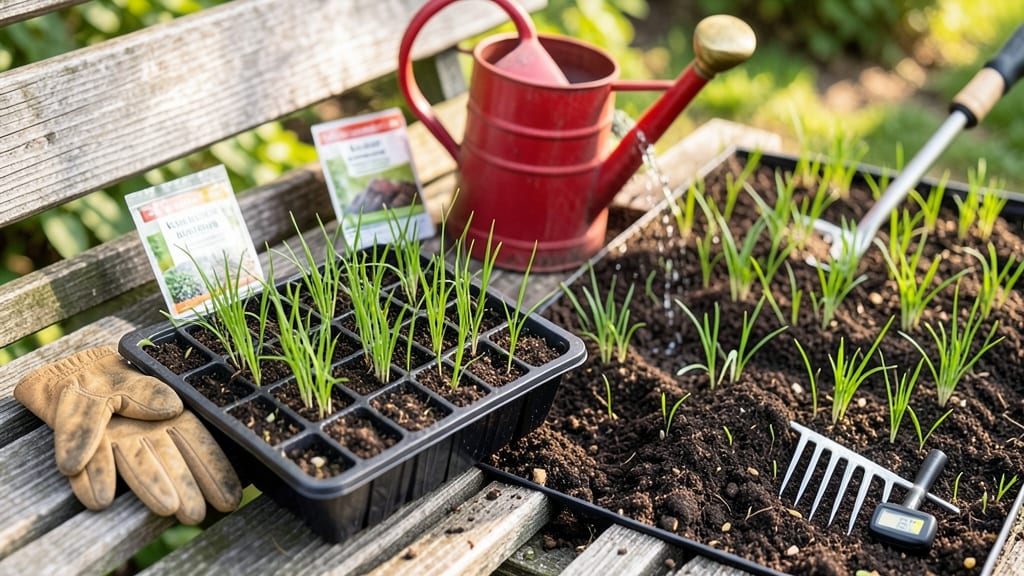
Timing your spring grass planting just right could mean the difference between a lush, green lawn and weeks of frustration watching seeds disappear into cold soil. The best time to plant grass in spring isn’t just about the calendar—it’s about soil temperature, frost risk, and even your local microclimate.
In USDA Zone 6a (like much of the Midwest), your ideal window typically opens around mid-April to early May, when soil warms to 60°F+ and nighttime temperatures stay above 40°F.
But here’s the catch: planting too early can drown seeds in soggy soil, while waiting too long might trigger summer drought stress. Let’s break down the fastest, most reliable way to time it perfectly for your yard.
You’ll learn how to read soil temperature cues, adjust for your region, and avoid the top 3 mistakes that kill germination before it starts. Whether you’re overseeding an existing lawn or starting fresh, these insights will help you skip the guesswork and get that thick, vibrant grass you’re dreaming of.
Ready to transform your patchy yard into a showstopper? Let’s dive into the science—and the simple tools—you need to plant grass at the absolute best time for your climate.
Ideal soil temperature for planting grass in spring (and how to check it)
Timing your grass planting based on soil temperature—not just air temperature—is the secret to fast germination and a thick lawn. Cool-season grasses like Kentucky bluegrass and fescue need soil between 60–75°F, while warm-season types such as Bermuda and Zoysia thrive when soil hits 75–85°F.
Planting too early when soil is cold causes seeds to rot, while waiting too long risks drought stress.
Don’t guess—use a soil thermometer (available for under $10) to check temps at a 4-inch depth, where seeds will germinate. Measure for 5 consecutive days to confirm consistency. Early mornings (between 9–11 AM) are the best time to test, as soil temps fluctuate less then.
Avoid the temptation to plant when air temps feel warm but soil is still chilly. For example, in USDA Zone 5, March air might be 50°F, but soil could still be 40°F—far too cold for germination. Patience here saves money on wasted seed and re-planting.
Pro tip: If you’re unsure about your region’s soil warming patterns, check local agricultural extension service websites. They often provide weekly soil temperature updates tailored to your area. For instance, the University of Minnesota Extension tracks soil temps for Minnesota gardeners, helping them time cool-season grass planting perfectly.
| Grass Type | Optimal Soil Temp (°F) | Germination Time | Best Planting Months (US Regions) |
|---|---|---|---|
| Cool-season (Kentucky Bluegrass, Fescue) | 60-75°F | 7-21 days | March-May (North) / Sept-Oct (South) |
| Warm-season (Bermuda, Zoysia) | 75-85°F | 10-28 days | April-June (South) / May-July (North) |
Once you’ve confirmed your soil is in the ideal range, act fast—grass seeds have a limited germination window. For cool-season grasses, germination typically takes 7–21 days if conditions are perfect, while warm-season varieties can take 10–28 days.
To speed up the process, keep the soil surface moist (not soggy) with a light misting 2x daily until you see sprouts.
If you’re planting in late spring and soil temps are already too high (above 85°F), switch to shade-tolerant grass varieties like fine fescue or buffalo grass, which handle heat better. These varieties also require less water once established, making them ideal for drought-prone areas.
Remember: The goal is to plant when your grass seeds can consistently germinate within 2 weeks. Use this soil temperature guide as your roadmap, and you’ll avoid the heartbreak of patchy, slow-growing lawns.
With the right timing, your new grass will establish a dense root system in just 6–8 weeks, setting the stage for a lush, resilient lawn all season long.
Spring planting timeline by US region (when to plant grass for fast germination)
Timing your grass planting isn’t one-size-fits-all—your region’s climate dictates the perfect window for fast germination. In colder zones like the Northeast, you’ll need to wait longer for soil to warm, while Southern climates can start earlier.
Let’s break down the ideal planting months for your area to avoid frost damage, drought stress, or slow growth.
For cool-season grasses (like Kentucky Bluegrass or Fescue), the goal is to plant when soil hits 60°F+ and stays above 40°F at night. Warm-season varieties (Bermuda, Zoysia) need even warmer soil—75°F+—to germinate properly. Missing these targets can mean seeds rot, dry out, or struggle to establish roots.
Here’s your region-by-region planting schedule, tailored to avoid common pitfalls like late frosts or summer heatwaves. Use this as your guide to lock in the best time for your yard.
Northeast/Mid-Atlantic
Plant late April to early May when soil hits 60°F+ and nighttime temps stay above 40°F. Avoid early spring planting—seeds rot in cold, wet soil.
Southeast/South
Best time: Mid-March to early April for cool-season grass. Warm-season grass? Wait until late April to June when soil is 75°F+.
Central Plains (KS, MO, OK)
Cool-season: Early April to mid-May. Warm-season: Late May to early July—never plant before Memorial Day to avoid drought stress.
Mountain West (CO, NM, AZ)
High elevations: May to early June (soil warms slower). Low deserts: March-April for cool-season; May-June for warm-season.
Pro tip: Check your local USDA Plant Hardiness Zone for finer-tuned timing. For example, Zone 5 may need to wait until mid-May, while Zone 8 can start as early as February for warm-season grass. Always confirm soil temps with a thermometer—don’t rely on the calendar alone!
Once you’ve locked in your planting window, the next step is soil prep. Loosen the top 2–3 inches of soil, remove debris, and level the area to ensure even seed-to-soil contact. This small effort makes a huge difference in germination rates.
Remember: The earlier you plant in your region’s window, the more time your grass has to establish deep roots before summer heat sets in. Don’t wait until the last minute—act now to avoid missing the boat!