
Plants
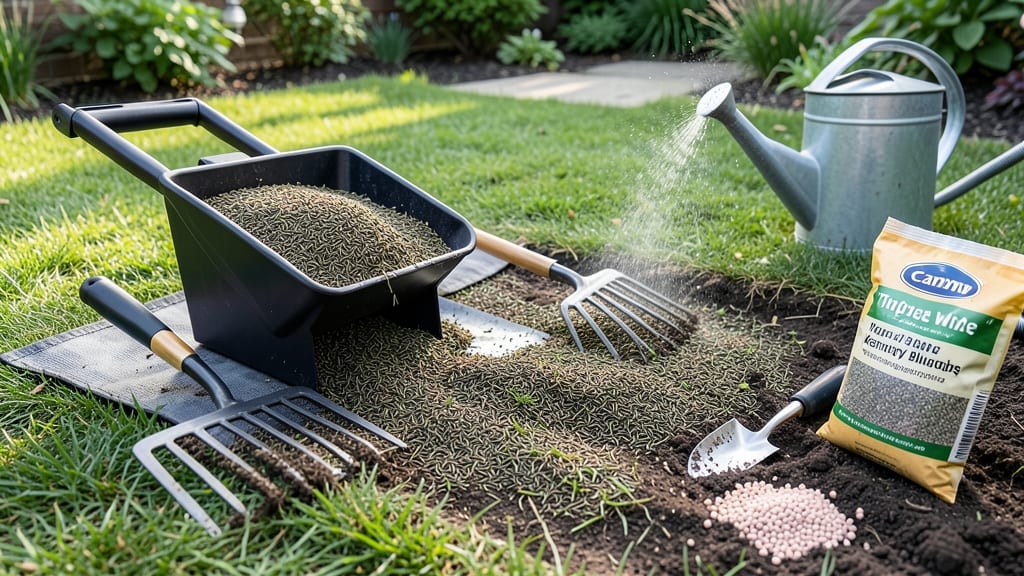
Planting grass seed at the wrong time in Pennsylvania could leave you staring at a patchy, thin lawn instead of the lush, green carpet you dream of.
The best time to plant grass seed in Pennsylvania isn’t just about the calendar—it’s about beating the heat, avoiding frost, and giving your 🌱 seedlings the perfect start.
With Pennsylvania’s USDA zones 5b-7a and unpredictable weather, timing matters more than you might think. Cool-season grasses like Kentucky Bluegrass and Tall Fescue thrive when planted in early spring or early fall, but getting it right means avoiding the scorching summer sun or the first hard frost.
I’ve spent years helping homeowners in PA get their lawns just right, and the secret isn’t complicated—it’s about working with nature, not against it.
Whether you’re in Pittsburgh, Philadelphia, or the rural countryside, the right planting window can mean the difference between a thick, vibrant lawn and one that struggles to take hold.
In this guide, I’ll break down the exact windows for planting, how to prep your soil, and what to watch for to ensure your grass grows strong and stays that way year-round. Let’s get started!
Optimal planting windows for Pennsylvania’s cool-season grasses
Pennsylvania’s cool-season grasses thrive when planted during ideal temperature windows—typically early fall (August–September) or early spring (March–April). These periods allow seeds to germinate before extreme heat or frost, giving them the best chance to establish deep roots before winter dormancy.
With USDA zones 5b–7a, timing varies slightly by region, but these general windows apply statewide.
Fall planting is my top recommendation because cooler temperatures reduce stress on seedlings, and fall rains provide natural moisture. Spring planting works too, but you’ll need to monitor for late frosts that can delay germination.
For example, in Pittsburgh (Zone 6a), aim for mid-September to early October in fall or mid-April to early May in spring.
Regional microclimates add complexity. Philadelphia’s coastal influence (Zone 7a) extends the fall window into late October, while Erie’s lake-effect climate (Zone 5b) may require earlier planting to avoid early snowfall.
Always check your local frost dates—aim to plant 4–6 weeks before the first frost in fall or after the last frost in spring.
⚠️Pennsylvania Grass Seed Planting Timeline
| Season | Ideal Planting Window | Soil Temp (°F) | Key Considerations |
|---|---|---|---|
| Early Fall | August–September | 50–65°F | Cooler temps reduce weed competition; natural fall rains |
| Late Fall | October (Zone 7a only) | 40–50°F | Risk of frost; best for southern PA only |
| Early Spring | March–April | 50–65°F | Avoid late frosts; monitor soil moisture |
| Late Spring | May (if needed) | 60–70°F | Higher heat stress; less ideal but possible |
Adjust based on your USDA zone and local frost dates
If you’re planting in spring, start as soon as the soil temperature consistently reaches 50°F—usually mid-April in most of PA. Use a soil thermometer to check; seeds won’t germinate below 40°F.
For fall planting, wait until daytime highs drop below 85°F to avoid heat stress, but don’t wait too late—seeds need 4–6 weeks to establish before frost.
Pro tip: Test your soil’s pH before planting. Pennsylvania’s acidic soils (pH 5.0–6.5) often need lime to reach the ideal 6.0–7.0 range for cool-season grasses. A simple $20 soil test kit from your local garden center will save you headaches later.
Apply lime 4–6 weeks before planting to let it integrate into the soil.
For shady lawns, like those in Pittsburgh’s urban areas, opt for fine fescue or Kentucky bluegrass mixes, which tolerate 3–4 hours of shade. These varieties still benefit from fall planting, but expect slower establishment.
If your yard has patchy sun, consider overseeding in spring to fill in thin spots.
One common mistake I see is planting too late in fall—seeds struggle to root before winter. If you miss the August–September window, hold off until spring. Another pitfall? Skipping soil prep.
Loosen the top 2–3 inches of soil with a rake or tilling tool, remove debris, and level the area. This ensures good seed-to-soil contact, which is critical for uniform germination.
Remember, Pennsylvania’s climate is variable, so flexibility is key. If a drought warning hits during your planting window, delay until rains return or be prepared to water daily for the first 2–3 weeks.
A thick layer of mulch (straw, not wood chips) after planting helps retain moisture and regulate soil temperature.
Optimal planting windows for Pennsylvania’s cool-season grasses
Pennsylvania’s cool-season grasses thrive when planted during two key windows: early spring (March–April) and early fall (August–September). These periods offer the perfect balance of soil warmth and moderate rainfall, giving seedlings the best chance to establish before extreme heat or frost arrives.
In USDA zones 5b–7a, the ideal planting window aligns with soil temperatures between 50–65°F. This range ensures seeds germinate quickly without risking heat stress or frost damage.
For example, in Pittsburgh, aim for late March to early April in spring, while Philadelphia may lean slightly earlier due to its coastal influence.
Fall planting is often the best option because seedlings establish roots before winter dormancy. Plant 4–6 weeks before the first frost (typically mid-October in most of PA) to allow time for growth without risking cold snaps. In Erie, cooler lake-effect climates may shift timing slightly later.
🌱 Pennsylvania Grass Planting Timeline
| Season | Best Planting Months | Soil Temp (°F) | Key Considerations |
|---|---|---|---|
| Early Spring | March–April | 50–65°F | Avoid late frosts; prepare soil early. |
| Early Fall | August–September | 60–70°F | Ideal for root growth before winter. |
| Late Summer | Late July (if needed) | 65–75°F | Risk of heat stress; water diligently. |
If you miss these windows, late summer (July) can work in a pinch, but expect slower germination due to heat. Always check a 7-day forecast before planting to avoid rain delays or sudden cold snaps.
For example, if Philadelphia’s average last frost is April 15, plant by early April to give seeds time to establish.
Regional microclimates play a role too. Mountainous areas (like the Poconos) may need to plant 1–2 weeks later than lowland regions due to cooler temperatures. Use a soil thermometer to confirm readiness—seeds won’t germinate well below 50°F.
Pro tip: Test your soil’s pH level (ideal: 6.0–7.0) before planting. Pennsylvania’s clay-heavy soils often need compost or lime to improve drainage and fertility. A simple soil test kit (available at garden centers) can save you from patchy growth later.