
Plants
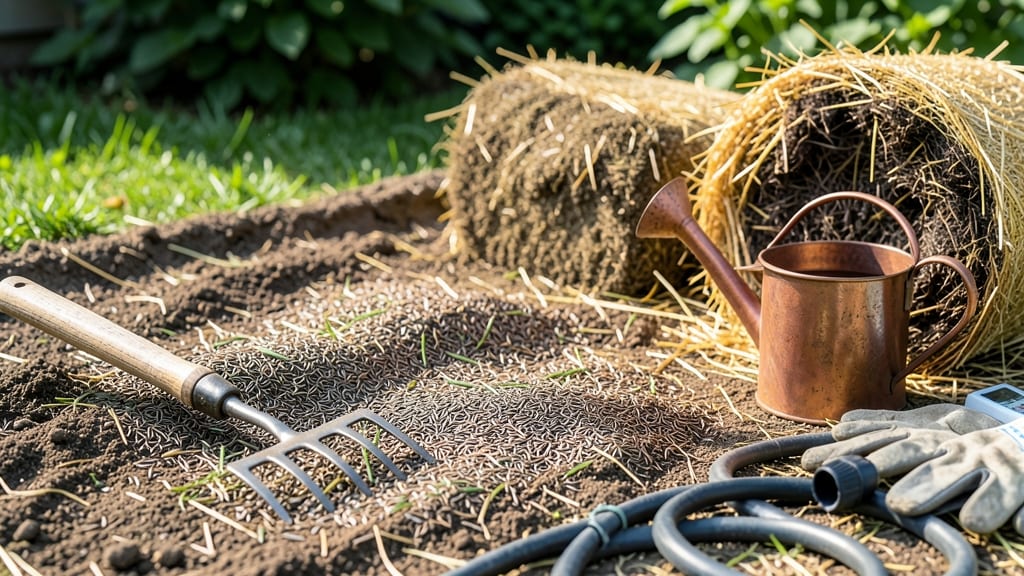
Planting your spring grass seed at the wrong time can turn your dream of a vibrant lawn into a frustrating guessing game. The difference between a lush, green carpet and patchy disappointment often comes down to one critical factor: timing.
Whether you're in Zone 6a or another region, getting the soil temperature and seasonal window right is everything.
Most gardeners assume "spring" means anytime after the last frost, but the truth is more nuanced. Cool-season grasses like Kentucky bluegrass and fescue thrive when soil temperatures hover between 40°F and 65°F, while warm-season types prefer 65°F to 75°F.
Miss this window, and you risk slow germination or even failure. Let me show you exactly when to plant for your climate zone and how to prepare your soil for success.
If you've ever stared at a seed packet wondering, "Is this the right time?" or struggled with uneven growth, this guide is your game-changer. We'll break down the science of soil temps, regional planting schedules, and the 5 biggest mistakes that derail even the best-laid plans.
By the end, you'll know precisely when to plant—down to the week—for a lawn that starts strong and stays that way.
Ready to transform your patchy yard into a showstopper? The secret starts with the calendar—and the ground beneath it. Let's get planting right.
Best soil temperature for planting grass seed in spring (science-backed guide)
Getting your grass seed timing right in spring isn’t just about the calendar—it’s all about soil temperature. Cool-season grasses like Kentucky bluegrass and fescue thrive when soil hits 40°F–55°F, while warm-season varieties such as Bermuda and Zoysia need 65°F–75°F to germinate.
Planting too early or late can leave your lawn thin and patchy.
Why does temperature matter? Grass seeds need warmth to activate enzymes that break down stored energy for sprouting. If the soil is too cold, seeds may rot before germinating. Too hot, and they’ll dry out or struggle to establish roots. Testing your soil’s temperature is the key to success.
Here’s how to check: Use a soil thermometer (insert 2–3 inches deep) or dig a small hole, add water, and wait 30 minutes. If condensation forms on the sides, the soil is too cold. No condensation? It’s likely ready.
For cool-season grasses, aim for planting when daytime highs are consistently 60°F–70°F and soil temps are 50°F–65°F. In most U.S. regions, this falls between early March and early May, depending on your USDA hardiness zone.
If you’re in a warmer climate (Zones 8–10), wait until late spring or early summer when soil temps rise above 65°F. Planting warm-season grass too early can lead to fungal diseases or seed rot.
Pro tip: Cover your seed with 1/4-inch of soil—this protects it from drying out while keeping it close enough to warmth for germination.
Even if your local forecast says “spring,” don’t rush—soil warms slower than air. A late frost or cold snap can set back germination by weeks. Monitor your soil for 7–10 days after planting to spot early signs of sprouts.
Overwatering is another common mistake. Keep soil moist but not soggy—think “damp sponge” consistency. Use a sprinkler with gentle mist or soaker hose to avoid displacing seeds.
Once your grass reaches 3–4 inches tall, you can reduce watering to 2–3 times per week. This encourages deeper root growth and a tougher lawn.
Remember: Patience is key. Germination can take 7–21 days, depending on the grass type and weather. Resist the urge to overseed or fertilize too soon—let those baby blades establish first.
Spring grass seeding timeline by U.s. climate zones (month-by-month breakdown)
Spring grass seeding timing varies dramatically across the U.S., with Northern regions (Zones 3–5) needing early planting and Southern zones (8–10) waiting until late spring. The key is planting 4–6 weeks before your last frost date—but only when soil temps hit 50°F–65°F.
Let’s break down the best windows by region to avoid common pitfalls like premature planting or waiting too long.
For cool-season grasses (like Kentucky bluegrass or fescue), aim for early spring (March–April in most areas). These grasses thrive in cooler weather and establish roots before summer heat. Warm-season grasses (such as Bermuda or Zoysia) should wait until late spring (May–June), when soil temps consistently stay above 65°F.
Mixing up your timing? Stick to one type per season for best results.
Here’s how to adjust your schedule based on your USDA hardiness zone and local microclimates (like coastal vs. inland areas):
| Zone | Region | Ideal Planting Window | Soil Temp Goal | Key Adjustments |
|---|---|---|---|---|
| 3–5 | Northern (e.g., Minnesota, Upstate NY) | Late March–Early May | 40°F–55°F | Plant as soon as soil thaws—avoid waiting too late due to short growing season. |
| 6–7 | Mid-Atlantic (e.g., Pennsylvania, Midwest) | Mid-April–Mid-May | 50°F–60°F | Wait for consistent 50°F+ soil temps—coastal areas may need 1–2 weeks later than inland. |
| 8–10 | Southern (e.g., Texas, Florida, California) | Late April–June | 60°F–65°F | Avoid summer heat—plant warm-season grasses in May–June for best establishment. |
Microclimates can shift your timeline by 1–4 weeks. For example, coastal areas (like San Francisco or Seattle) may have cooler soils in spring, delaying planting by 2–3 weeks compared to inland zones. Conversely, desert regions (e.g., Arizona) can plant earlier if irrigation is set up to maintain moisture.
Always check your local frost dates and monitor soil temps for 5+ consecutive days above your grass type’s threshold.
If you’re in Zone 6–7 (like me!), aim for mid-April—this gives cool-season grasses time to root before summer heat. I’ve learned the hard way that planting in March can lead to dormant seeds if a late frost hits, while waiting until May risks weed competition and slower establishment.
Balance is key!
For warm-season grasses in the South, don’t rush—wait until soil temps stay above 65°F for 7+ days. Early planting can cause seed rot or uneven germination.
In Zone 9–10, I’ve seen success with late April plantings, but always confirm with your local Cooperative Extension office for hyper-local advice.
Remember: Preparation matters just as much as timing. Test your soil pH (6.0–7.5 is ideal), loosen compacted soil, and remove weeds before seeding. Once planted, keep soil moist (not soggy) for the first 2–3 weeks—this is when roots establish.
With the right timing and care, you’ll see germination in 7–21 days, depending on grass type and weather.