
Plants
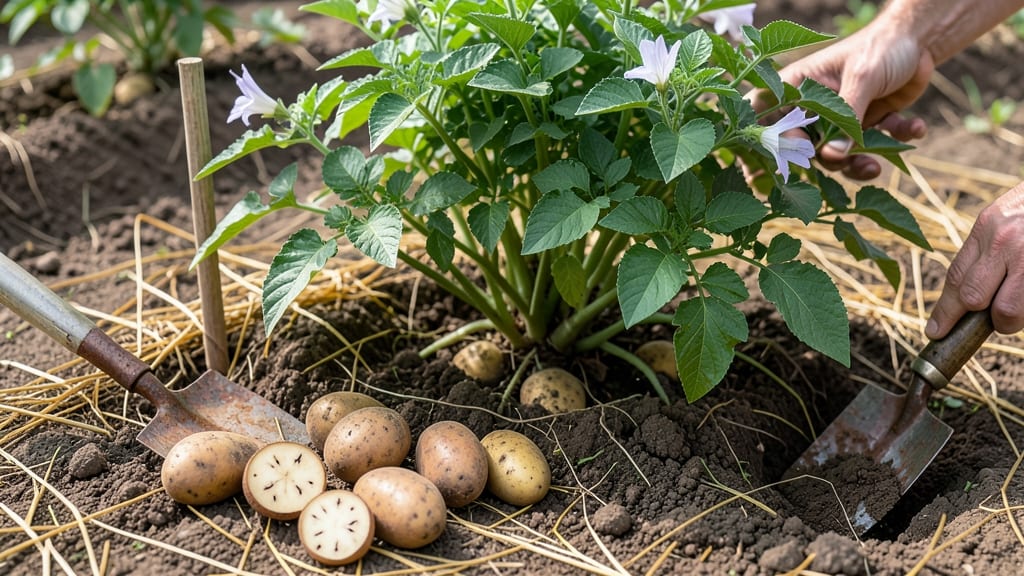
Timing when is the best time to plant potatoes in Georgia isn't just about luck—it's the difference between a bountiful harvest and wasted effort.
With the state's diverse climate zones, from the humid Coastal Plain to the cooler Blue Ridge Mountains, getting the window right means avoiding frost damage or blight while maximizing your yield.
Most gardeners in Georgia's 7b-8b zones know the golden rule: plant early varieties like Yukon Golds in February-March, when soil temperatures hit 45°F, and late varieties in April-May. But here's the catch—your exact timing depends on whether you're in Savannah's heat or the mountains' chillier springs.
I've spent years perfecting the schedule, and what I'm about to share will help you avoid 5 common mistakes that ruin even the best-laid plans. Whether you're a first-timer or a seasoned grower, these insights will give you the confidence to plant at the absolute best moment for your region.
Let's dive into the exact soil temperature rules, frost-free date calculations, and regional adjustments that will transform your potato patch from "meh" to "mind-blowing." Your harvest is about to get a whole lot better.
Georgia’s ideal potato planting window by month: frost dates & soil temperature rules
Georgia’s potato planting season hinges on two critical factors: soil temperature and last frost dates. Aim for 45–50°F soil temps—cold soil delays sprouting, while warm soil (above 60°F) speeds up growth.
For most of Georgia, this window opens in early February in the south and shifts to late March in the north. Missing this window risks early blight or stunted tubers.
Use Georgia’s USDA Zones 7b–8b as your guide. In Zone 8a (Coastal Plain), you can plant as early as January for quick-harvest varieties. Meanwhile, Zone 7b (Piedmont) gardeners should wait until mid-March to avoid late frosts. Always check your local Almanac frost dates—they’re your planting calendar.
⚠️ CRITICAL RULE: Never plant when nighttime temps dip below 40°F. Potatoes are frost-sensitive, and even a light freeze can kill emerging sprouts. If your soil is too cold, use black plastic mulch to warm it faster.
🌱 Georgia Potato Planting Timeline by Month
| Month | Ideal Planting Window | Soil Temp Requirement | Frost Risk | Best Varieties |
|---|---|---|---|---|
| January | Coastal Plain only (Zone 8a) | 45–50°F (with mulch) | Low (if using row covers) | Yukon Gold, Red Pontiac |
| February | Southern Georgia (Zone 8) | 50–55°F | Moderate (use cloches) | Kennebec, Fingerling |
| March | Statewide (best window) | 55–60°F | Low (post-last frost) | Russet, Purple Viking |
| April | Late varieties (North GA) | 60°F+ (warm soil) | None (safe) | Sweet Potato (no, wait—potatoes!) |
🌡️ Pro Tip: Use a soil thermometer—planting when temps hit 50°F ensures faster sprouting. If your soil is colder, wait 1–2 weeks or use black plastic mulch to warm it.
For early harvests, plant Yukon Gold or Red Pontiac in January–February (Coastal Plain only). These varieties mature in 70–90 days, giving you tubers by late April. If you miss this window, switch to longer-season varieties like Russet or Kennebec planted in March–April for a summer harvest.
Georgia’s humidity and heat demand careful timing to avoid late blight. Plant early varieties before May 15 to finish harvesting before July’s peak blight season. If you’re in North Georgia (Zone 7b), stick to March–April planting to align with cooler nights.
Never plant potatoes after June 1 in most of Georgia—this risks blight and poor tuber formation. Instead, opt for fall planting (see next section) or container growing if you’re late. Always space rows 3 feet apart for airflow and blight prevention.
Use chit potatoes (pre-sprouted seed potatoes) to shave 10–14 days off your growing season. Place them in a bright, cool spot (55–60°F) for 4–6 weeks before planting. This trick is especially useful for North Georgia gardeners with shorter springs.
✅ Your Georgia Potato Planting
How to adjust planting time for Georgia’s microclimates: coastal vs. mountain regions
Georgia’s diverse climate zones mean one planting window doesn’t fit all. The Coastal Plain (like Savannah) enjoys milder winters, while the Blue Ridge Mountains face colder nights. Adjust your schedule to match your region’s unique frost patterns and soil warming speed.
In Coastal Georgia, where winters are shorter, you can start planting as early as January for early-maturing varieties like Yukon Gold. The soil warms faster here, giving you a head start. Meanwhile, mountain regions (USDA Zone 7b) often wait until late March or April to avoid late frosts.
For fall harvests, plant late-season varieties like Red Pontiac in June or July—especially in the Piedmont. These potatoes mature just in time for cooler weather, reducing blight risks. Coastal areas can extend this window slightly later due to their warmer microclimates.
| Region | Ideal Planting Window | Soil Temp Threshold | Best Varieties |
|---|---|---|---|
| Coastal Plain (Savannah) | January–February | 45–50°F | Yukon Gold, Red LaSoda |
| Piedmont (Atlanta) | February–March | 50°F+ | Kennebec, Purple Viking |
| Mountains (Blue Ridge) | Late March–April | 55°F+ | Adirondack Red, Fingerling |
If you’re in a transition zone (like middle Georgia), split your planting: start with early varieties in February and follow up with late varieties in April. This staggered approach ensures a continuous harvest and spreads out your risk of disease.
For container gardening in cooler mountain areas, use black plastic pots to warm soil faster. Place containers near south-facing walls or under cloche covers to extend your growing season by 2–3 weeks. This trick works wonders for late starters!
Always check your local frost-free date (usually mid-March in the north to early February in the south) and count backward. 6 weeks before is your sweet spot for planting—just don’t rush! Cold soil slows sprouting, leading to stunted plants and poor yields.