
Flowers
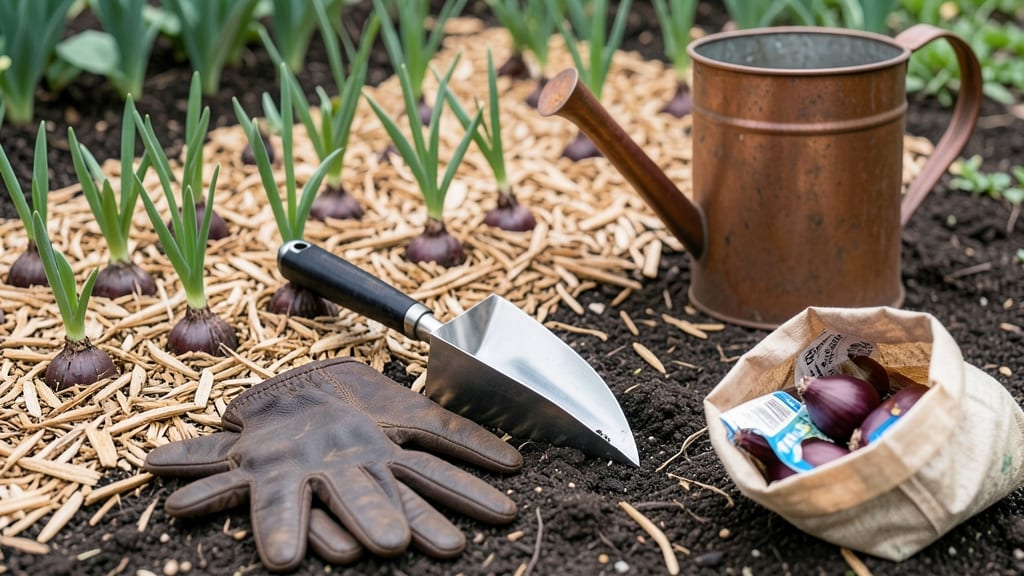
Timing your spring flower planting just right is the key to a garden bursting with color all season long. Plant too early, and frost will nip those delicate buds before they even bloom. Too late, and you’ll miss the full spectacle of vibrant 🌸 blooms that make spring gardens shine.
Most gardeners in USDA Zone 6a wait until after the last frost date—typically mid-April to early May—when soil temperatures consistently reach 60°F (15°C). But here’s the secret: soil temperature matters more than the calendar.
Cool-season flowers like pansies can handle cooler soil, while warm-season favorites like marigolds need the ground to warm up first.
In this guide, I’ll break down exactly when to plant your flowers based on your local climate, plus soil prep tips and the best varieties for early vs. late planting. Whether you’re a beginner or a seasoned gardener, these insights will help you avoid common mistakes and maximize your blooms.
Ready to transform your garden? Let’s dive into the perfect planting schedule so you can enjoy a season of effortless beauty—without the guesswork.
Spring flower planting schedule by soil temperature zones
Spring flower planting isn't just about dates—it's about soil temperature. Most spring flowers thrive when the ground warms to 40°F–60°F. Cool-season flowers like pansies can handle 32°F–40°F soil, while warm-season favorites like marigolds need 50°F+. Your USDA zone determines when these temperatures arrive.
For example, gardeners in USDA Zone 3 (like Minnesota) may wait until late May, while those in Zone 10 (like Southern California) can plant as early as February. Always check your last frost date, but don’t rely on it alone—soil temperature is the real game-changer.
🌱
| Soil Temp Range | Ideal Planting Window | Best Flowers | USDA Zones |
|---|---|---|---|
| 32°F–40°F | Early March–April (after last frost) | Pansies, Snapdragons, Sweet Alyssum | 3–7 |
| 40°F–50°F | Mid-April–May | Petunias, Calendula, Dianthus | 4–8 |
| 50°F+ | Late April–June | Marigolds, Zinnias, Sunflowers | 5–10 |
If you’re in a transition zone (like Zone 6b), split your planting. Start with cool-season flowers in early spring, then add warm-season varieties once soil hits 50°F. This extends your bloom season from spring to summer.
Pro tip: Use black plastic mulch or straw mulch to warm soil faster in cooler zones. This trick can shave off 1–2 weeks of waiting time for your favorite flowers.
For container gardening, soil warms up quicker than in-ground beds. You can plant warm-season flowers like geraniums 2–3 weeks earlier in pots. Just ensure your containers have drainage holes to prevent root rot.
🌿
Don’t forget about bulbs like tulips and daffodils—they need to be planted in fall (6–8 weeks before frost), but their foliage emerges in early spring. Time your spring planting around when their leaves start to yellow, usually April–May.
Finally, always monitor weather forecasts for late frosts. A sudden drop below 32°F can devastate tender seedlings. Use row covers or move pots indoors temporarily if frost is predicted.
☀️
How to test soil temperature and adjust planting timing
Testing your soil temperature is the best way to determine when it’s truly safe to plant spring flowers. A simple soil thermometer (just $10–$15 at garden centers) gives you real-time data instead of guessing based on dates.
Stick it 2–4 inches deep—that’s where most flower roots grow—and check readings in the morning (soil is cooler then and won’t give false highs).
Most cool-season flowers like pansies and violas thrive in 32°F–40°F soil, while warm-season favorites such as marigolds and zinnias need 50°F+. If your soil is still below these thresholds, hold off planting—even if your local forecast says frost is over. Cold soil slows germination and stresses seedlings.
- 🌱 Step 1: Buy a soil thermometer (digital or analog).
- 🌡️ Step 2: Test soil depth at 2–4 inches (where roots grow).
- ⏰ Step 3: Check readings in the morning for 3–5 days to spot trends.
- 🔄 Step 4: Adjust planting once temps hit your flowers’ ideal range.
- 🌿 Step 5: Use mulch (black plastic or straw) to warm soil faster if needed.
If your soil is too cold but you’re eager to plant, try these tricks: Cover beds with clear plastic for a week to trap heat, or use row covers after planting to protect seedlings.
For container gardens, soil warms up faster—you can plant warm-season flowers 2–3 weeks earlier in pots than in the ground.
Watch for late frosts, too. Even if soil temps are perfect, a 32°F drop can kill tender seedlings. Sign up for local frost alerts (many weather apps offer this) and keep frost cloths handy.
If frost is forecasted, move pots indoors or cover seedlings with a lightweight blanket until temps rise.
For transition zones (like USDA Zone 6a), split your planting: Start with cool-season flowers in early spring, then add warm-season varieties once soil hits 50°F. This extends your bloom season from spring to summer without gaps.
🌿
Remember: Soil temperature > calendar dates. By mastering this simple test, you’ll avoid the heartbreak of frost-killed seedlings or missed bloom seasons. Happy planting!