
Planting
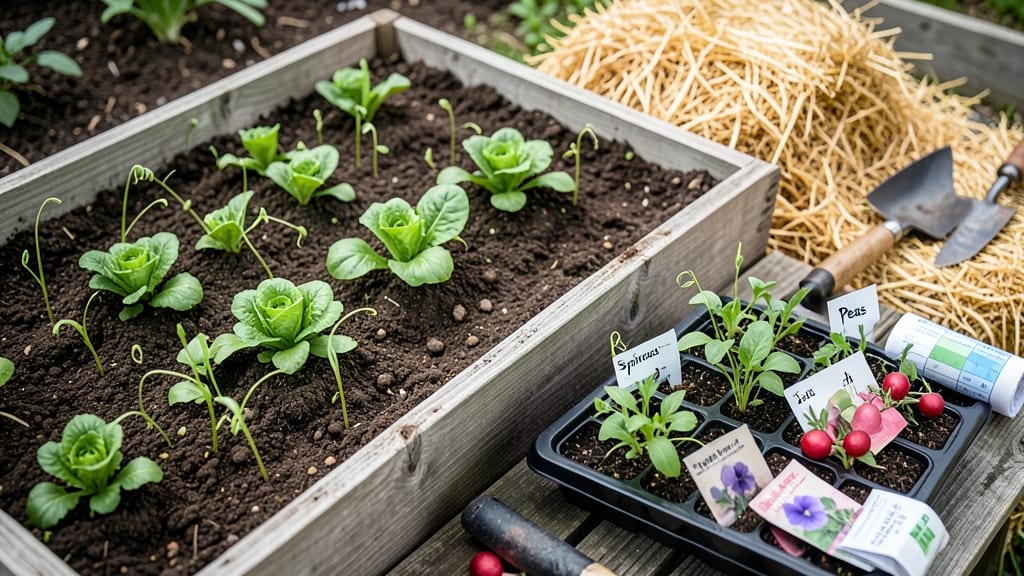
When should you plant a garden in Michigan? Timing your Vegetable Garden in Michigan isn’t just about luck—it’s about mastering the 5b-6b zone’s quirks to avoid frost damage or missed harvests. With last frosts lingering until mid-May in some areas, planting too early could leave your 🌱 spinach or peas wilted, while waiting too long might mean your tomatoes never ripen. The key? Understanding when to start cool-season crops (like kale) and when to hold off for heat-lovers (like peppers). Michigan’s growing season is short but productive—150-200 frost-free days mean every week counts. Whether you’re in the Upper Peninsula or southern Lower Michigan, knowing your region’s last frost date (typically April 15–May 15) is the first step to success. I’ll break down exactly when to plant each crop, so you can maximize your harvest from late June through October. Even experienced gardeners trip up on timing—like planting frost-sensitive crops too soon or ignoring soil warmth cues. But with the right strategy, you can stretch your season, adjust for microclimates, and even use row covers to cheat the clock. Let’s dive into the perfect planting schedule for your Michigan garden, tailored to your zone and crop type. From hardy greens to sun-loving tomatoes, we’ll cover everything you need to know to time your plantings like a pro. Whether you’re a beginner or a seasoned gardener, these insights will help you grow a thriving Vegetable Garden that’s ready to harvest when it counts.
Michigan planting deadlines by crop type: zone 5-6 last frost dates
Michigan’s Zone 5-6 growing season hinges on precise timing—wait too long for warm-season crops like tomatoes, and you’ll miss peak harvests. Conversely, planting cool-season greens too early risks frost damage.
The average last frost date ranges from mid-April in southern Michigan to early May in the Upper Peninsula, but local microclimates can shift this by weeks.
To simplify, I’ve broken down planting windows by crop type, using 4-6 weeks before last frost for cool-season plants and 2-3 weeks after for heat-lovers. For example, spinach thrives when sown in early spring, while peppers need soil temperatures above 55°F—typically late May or early June.
🌱 Michigan Planting Timeline by Crop Type
| Crop Type | Planting Window | Notes |
|---|---|---|
| Cool-Season Vegetables | 4-6 weeks before last frost (March-April) | Spinach, kale, peas, lettuce |
| Warm-Season Vegetables | 2-3 weeks after last frost (May-June) | Tomatoes, peppers, cucumbers, beans |
| Herbs | Late April-early June (after frost) | Basil, parsley, cilantro (avoid frost) |
| Flowers | April-June (after frost for tender types) | Marigolds, sunflowers, zinnias |
| Perennials | Early spring or fall (April or September) | Hostas, lavender, daylilies |
| Fall Crops | July-August (6-8 weeks before first frost) | Kale, radishes, carrots, broccoli |
💡 Pro Tip: Use row covers to extend spring planting by 2-3 weeks for frost-sensitive crops.
For container gardening in Michigan, start warm-season crops indoors in March to transplant after last frost. Peppers and eggplants, which need 80°F+ soil, benefit most from early starts. Meanwhile, hardy greens like swiss chard can handle light frosts and tolerate soil temps as low as 35°F.
Southern Michigan’s Zone 6b areas (e.g., Detroit, Ann Arbor) enjoy 10-14 extra frost-free days compared to the Upper Peninsula. This means you can plant tomatoes and peppers 2 weeks earlier in these regions. Always check local Almanac frost predictions—they’re your best guide for fine-tuning timing.
Don’t overlook fall planting! Michigan’s first frost typically arrives in mid-October, leaving 6-8 weeks for cool-season crops like spinach and radishes. For a year-round harvest, succession plant lettuce every 2 weeks from spring to early fall.
If you’re new to Michigan gardening, start with cold-hardy crops like kale, peas, and radishes—they’re forgiving and give you confidence. For warm-season crops, use soil thermometers ($10 at garden centers) to confirm 55°F+ before planting. This simple tool prevents costly mistakes with tomatoes and peppers.
Remember: Michigan’s short growing season means prioritize fast-maturing varieties. Look for “early girl” tomatoes or “quick-pick” cucumbers labeled for 55-day harvests. These varieties maximize your yield before first frost.
For herbs like basil, which bolts in heat, I recommend two plantings: one in early May and another in late July for a fall harvest. This two-pronged approach ensures fresh basil all season long.
Finally, keep a gardening journal to track your actual frost dates—they may vary yearly. Over time, you’ll refine your planting schedule to match Michigan’s unpredictable spring weather patterns. 🌱
How to adjust planting timing for Michigan’s microclimates
Michigan’s diverse geography means your planting schedule can vary wildly—even within a 50-mile radius. Southern Lower Michigan (like Detroit) might see its last frost by April 15, while the Upper Peninsula could still face frost until May 15.
Urban areas like Ann Arbor often warm up faster than rural farmland due to the heat island effect, while shaded backyards may stay cooler longer. Understanding these microclimates is key to avoiding frost damage or wasted seed packets.
Start by checking your local last frost date—not just the statewide average. Use resources like the Michigan State University Extension or your county’s agricultural office for hyper-local data.
For example, Grand Rapids gardeners can plant peas by April 1, while those in Traverse City should wait until May 1. Even within your yard, a south-facing slope will warm up 1-2 weeks earlier than a north-facing garden bed.
🌱 Visual Element: Numbered Highlights 🌱
- 🌡️ Soil Temperature: Wait until soil reaches 50°F+ (use a soil thermometer) before planting warm-season crops like tomatoes or peppers.
- 🏙️ Urban vs. Rural: City gardens warm 1-2 weeks faster—plant heat-lovers (e.g., cucumbers) 7-10 days earlier than rural areas.
- 🌳 Shade Impact: Shaded beds delay warming by 10-14 days—opt for cool-season crops (e.g., spinach, kale) or use reflective mulch.
- 🛡️ Row Covers: Extend spring planting by 3-4 weeks with lightweight covers—ideal for broccoli or carrots.
- 🌊 Water Bodies: Gardens near lakes/rivers stay cooler—delay planting heat-sensitive crops (e.g., eggplants) by 1 week.
For container gardeners, timing shifts even more dramatically. Pots heat up and cool down faster than in-ground beds, so you can plant warm-season crops like basil 5-7 days earlier in containers. However, containers also drain faster—aim for daily watering once seedlings emerge.
If you’re using raised beds, they warm up 2-3 weeks earlier than traditional beds, making them perfect for early spring plantings of radishes or lettuce.
Don’t overlook fall planting—Michigan’s second growing season (September–October) is often overlooked but equally productive. Cool-season crops like kale and garlic thrive when planted by September 15 in southern Michigan or October 1 in northern regions.
Use a frost blanket to protect late-season crops from early frosts, which can happen as early as October 15 in some areas.
Pro tip: Track your garden’s unique patterns for 3 years to refine your timing. Note when peas sprout, when tomatoes set fruit, and when frost hits. Over time, you’ll develop a custom planting calendar tailored to your microclimate—saving seeds, avoiding losses, and maximizing your harvest.
🌿 Even a 5-degree temperature difference can mean the difference between a thriving garden and a failed crop. Pay attention to these microclimate cues, and you’ll turn Michigan’s unpredictable weather into a garden advantage.