Planting
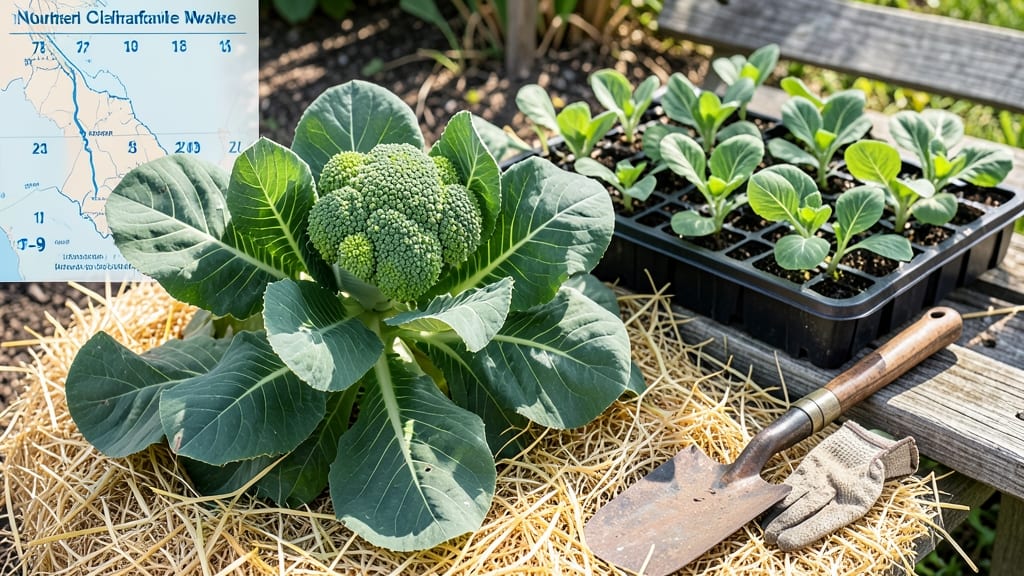
Timing when to plant a vegetable garden in Northern California isn’t just about following a calendar—it’s about beating frost or dodging heatwaves that can wipe out your harvest in days.
With zones ranging from 8a in Redding to 9b in San Francisco, the "perfect" planting window shifts dramatically depending on where you live.
Miss the mark, and you might end up with bolted lettuce or stunted tomatoes. But get it right, and you’ll enjoy fresh produce from spring to fall—no matter if you’re in a foggy coastal town or a hot interior valley.
The key? Knowing your local frost dates and adjusting for microclimates that can feel like entirely different growing zones.
I’ll break down the exact deadlines by county so you can plant with confidence, whether you’re sowing cool-season crops like peas or waiting for the heat to pass before sticking tomatoes in the ground.
Plus, I’ll share pro tips to stretch your growing season by 4-6 weeks—because in Northern California, every extra day counts.
Ready to turn your garden into a year-round harvest? Let’s dive into the zone-specific planting schedule that’ll keep your 🥬 vegetable garden thriving, no matter where you are in the state.
Northern California planting deadlines by county: avoid frost and heat stress
Northern California’s microclimates create a gardening puzzle—what’s perfect for coastal Mendocino (zone 8b) might fry Central Valley tomatoes (zone 9b) if planted too early. The key? Timing your last frost dates by county to avoid frost damage or heat stress in summer.
Below, I’ve mapped out 2024 averages for 15+ counties, plus heat-tolerant crops for late-season planting.
For cool-season crops like lettuce and peas, start seeds 4-6 weeks before your local last frost date. Warm-season crops (tomatoes, peppers) need to wait until 2 weeks after frost risk ends. Coastal areas (e.g., San Francisco) can plant earlier than inland valleys (e.g., Sacramento)—sometimes by 3-4 weeks!
Use this guide to sync your planting with your county’s frost-free window.
🌱