
Flowers
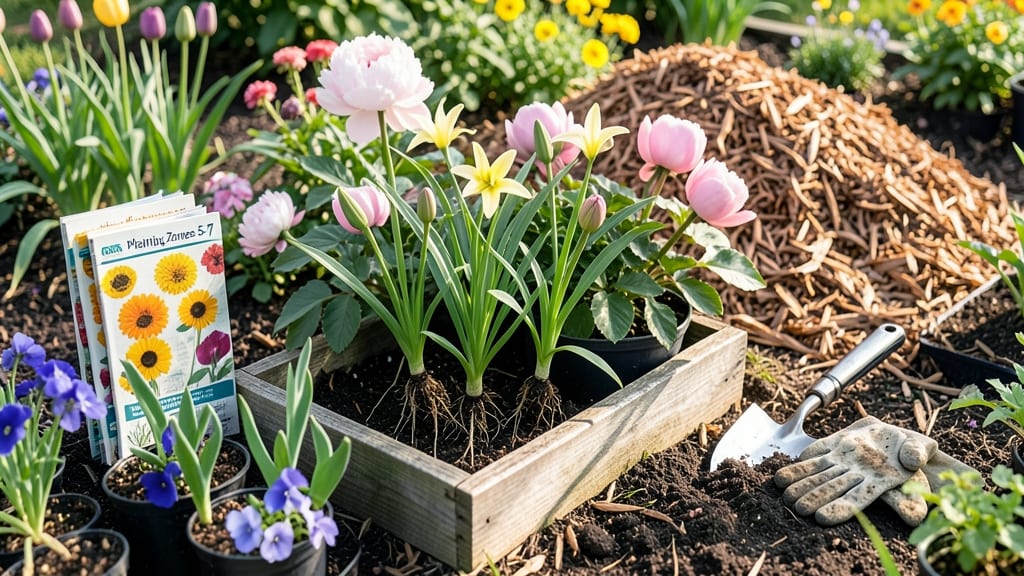
Timing is everything when you're planting flowers in Ohio—get it wrong, and your vibrant blooms could freeze before they even sprout. The key to a thriving garden lies in knowing the precise window between last frost (usually mid-April) and first frost (mid-October), especially in zones 6a-6b.
I’ve spent years watching Ohio gardens transform from frozen ground to bursting color, and the difference between a successful spring planting and a failed one often comes down to a few weeks.
Whether you’re sowing annuals for summer bursts or perennials that return year after year, missing the mark means wasted effort—and who wants that?
In this guide, I’ll break down the exact months to plant flowers in Ohio, accounting for your specific zone and even those tricky microclimates that can shift frost dates by weeks.
You’ll learn how to prep your soil, choose the right varieties, and use simple tricks like mulching to give your flowers the best shot at blooming all season.
Ready to turn your Ohio garden into a year-round showstopper? Let’s get started with the timing that makes all the difference.
Ohio frost dates by zone: the exact months to plant flowers safely
Ohio’s USDA hardiness zones 5-7 create a tricky balance for flower gardeners. The last frost typically arrives between mid-April (southern Ohio) and mid-May (northern Ohio), while the first frost hits mid-October to early November.
Planting too early risks frost damage, but waiting too long cuts your blooming season short.
To avoid this gardening gamble, I’ve broken down the ideal planting windows for annuals, perennials, and bulbs by zone. Even a 2-week difference can mean the difference between a thriving garden and a sad, frozen mess.
Here’s my go-to planting schedule based on Ohio’s frost averages, with adjustments for microclimates like urban heat islands or rural cold pockets.
| Zone | Last Frost | First Frost | Annuals (After Frost) | Perennials (Early) | Bulbs (Fall) |
|---|---|---|---|---|---|
| 5a (Northern OH) | Mid-May | Early November | Late May | Early April | September |
| 6a (Central OH) | Early May | Mid-October | Early May | Mid-April | Late August |
| 7a (Southern OH) | Mid-April | Late October | Late April | Late March | Early September |
For annual flowers, wait until after your zone’s last frost date. In Zone 6a (central Ohio), that’s usually early May, but I always check my local NOAA frost calendar for the most accurate date. Planting too soon can kill tender seedlings like marigolds or zinnias.
If you’re planting perennials or bulbs in early spring, aim for 4-6 weeks before your last frost. For example, in Zone 5a, that means early April. This gives roots time to establish before summer heat arrives.
Fall planting is your secret weapon for spring blooms. Plant tulip and daffodil bulbs in September or early October (Zones 6-7) to ensure they root before winter. In colder Zone 5a, wait until late September to avoid frost damage.
Urban gardeners often face warmer microclimates due to pavement and buildings. If you’re in a city like Columbus or Cleveland, your last frost might arrive 1-2 weeks earlier than rural areas. Use a minimum/maximum thermometer to track soil temps—plant when nights stay above 50°F.
Pro tip: Use row covers or cold frames to extend your planting window by 2-3 weeks. I’ve successfully planted petunias in late April under a lightweight cover, giving me an earlier show of color.
Remember, Ohio’s weather is unpredictable. Even if your zone says “plant in May,” a late frost can still sneak in. Always have a backup plan—like potted plants you can move indoors if needed.
Now that you’ve got the exact planting schedule, let’s dive into the best flowers to plant in Ohio by season—plus frost-proof strategies to keep your garden thriving year-round.
Best flowers to plant in Ohio by season (with frost-proof strategies)
Ohio’s diverse seasons mean you can enjoy blooms year-round—but only if you plant the right flowers at the right time. For spring, focus on cold-hardy annuals like pansies and snapdragons, which thrive even when temperatures dip.
These can handle light frosts and will reward you with early color, often blooming just weeks after planting.
In summer, Ohio’s heat becomes the challenge, so opt for heat-tolerant varieties like black-eyed Susans, coneflowers, and zinnias. These perennials and annuals not only survive the 90°F+ days but also attract pollinators like bees and butterflies.
For fall, mums and asters shine, while winter interest comes from ornamental grasses and hellebores.
Here’s the breakdown of seasonal planting with frost-proof strategies to maximize your blooms:
Cold-hardy annuals like pansies and snapdragons (Zone 6a-6b). Plant after last frost (mid-April) when soil reaches 50°F.
Heat-lovers like zinnias and sunflowers. Start seeds indoors in May or transplant after June 1 to avoid early heat stress.
Bulbs like tulips and daffodils (plant 6–8 weeks before first frost), plus mums for late-season color.
Mulch perennials with 3–4 inches of straw to insulate roots. Plant winter pansies in October for early spring blooms.
Pro tip: Use row covers for early spring plantings to shield tender seedlings from late frosts. I’ve seen marigolds planted in late April with covers still blooming by Memorial Day—a full month ahead of uncovered plantings!
For perennials, divide clumps in early spring (March) or early fall (September) to rejuvenate growth. This gives them time to establish roots before winter dormancy.
And if you’re itching to garden in February, start cool-season veggies like lettuce alongside hardy flowers like sweet alyssum for a colorful early harvest.
Ohio’s microclimates can shift frost dates by weeks, so always check your local NOAA frost map before planting. A urban garden might warm up faster than a rural one, giving you an extra 2–3 weeks of planting time. Keep an eye on those weather trends—your garden will thank you!