
Plants
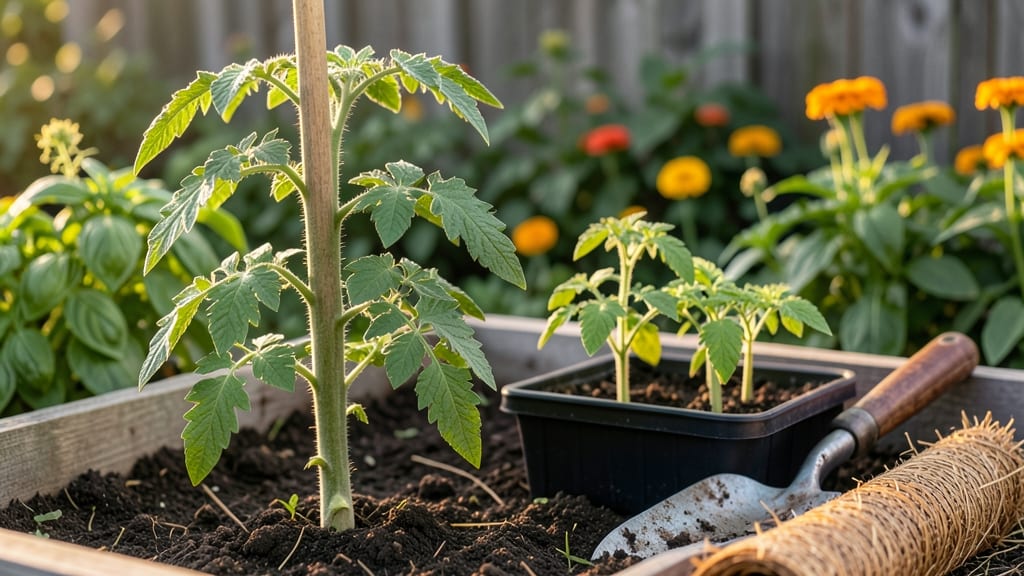
Timing when you should plant tomatoes in Missouri can mean the difference between a bumper crop of juicy 🍅 slices and a sad, wilted disappointment. Missouri’s unpredictable spring weather—where frost can linger in the Ozarks while St. Louis warms up faster—makes getting this right absolutely critical.
I’ve spent years watching Missouri gardens thrive (or fail) based on planting schedules, and the key isn’t just waiting for Memorial Day. Soil temperature, last frost dates, and even your county’s microclimate play huge roles.
Whether you’re starting seeds indoors or transplanting seedlings, knowing the exact window for your area could save you from wasted effort—or worse, a late-season heatwave that shrinks your harvest.
Let’s break down the science behind Missouri’s planting zones, so you can confidently put those tomato seeds in the ground at the perfect moment. You’ll learn how to adjust for early starts, protect tender plants from surprise frosts, and even stretch your harvest season longer than you thought possible.
No more guessing games—just data-driven timing that works for Missouri’s diverse climate. Ready to grow tomatoes like a pro? Let’s get started.
Missouri’s frost-free dates by county: the exact timeline for planting tomatoes
Missouri’s diverse climate means your tomato planting window depends heavily on where you live. Most of the state falls within USDA Zones 5-6, but even small differences in elevation or urban heat islands shift frost dates.
For warm-season tomatoes, you’ll want to plant after the last frost date and when soil reaches at least 60°F.
In northern Missouri (e.g., St. Joseph, Kansas City), average last frost dates arrive around April 15-30, while southern regions (e.g., Springfield, Cape Girardeau) can start planting as early as March 20-April 1.
The Ozarks (Columbia, Rolla) typically fall in the middle with April 1-15 as the target window.
Here’s how to use these dates: Wait 2-3 weeks after your county’s average last frost to plant transplants outdoors. If you’re starting seeds indoors, begin them 6-8 weeks before your last frost date to ensure they’re ready for transplanting.
Missouri’s first frost usually arrives between October 15-November 15, depending on location. This means your harvest window for late-season varieties can stretch into early October in southern areas, while northern gardeners should aim to harvest by mid-September.
For urban gardeners in cities like St. Louis, heat islands can delay frost dates by 1-2 weeks. Rural areas, especially in the Ozarks, may experience earlier frosts due to cooler microclimates. Always check your local cooperative extension service for the most precise frost data.
Soil temperature is just as critical as air temperature. Use a soil thermometer to confirm your garden beds have reached 60°F+ before planting. Cold soil slows germination and stunts early growth, even if air temperatures seem ideal.
Missouri’s short growing season means you’ll want to choose fast-maturing varieties (60-70 days to harvest) for early plantings and heat-tolerant varieties for late-season success. Pairing the right variety with the right planting window maximizes your yield potential.
If you’re unsure about your local frost dates, check the Missouri Climate Center or your county extension office for real-time updates. Even a 1-2 week delay can mean the difference between a bountiful harvest and a failed crop.
For container gardening in Missouri, warm soil heats up faster than ground soil, so you can plant 1-2 weeks earlier than in-ground gardens. Just ensure your containers have drainage holes and use heat-retaining fabrics to protect roots from nighttime temperature drops.
Remember: Tomatoes thrive on consistency. Whether you’re in St. Louis or
How to extend your Missouri tomato season: cold frames, row covers, and succession planting
Missouri’s short growing season doesn’t have to limit your tomato harvest. With the right techniques, you can push your planting window 2-4 weeks earlier or extend it into fall, giving you fresh tomatoes from June through October.
I’ve used these methods in my own garden to double my harvest—here’s how you can too.
For early planting, cold frames and row covers create microclimates that protect seedlings from late frosts. These simple tools raise soil temperatures by 10-15°F, letting you plant 4-6 weeks before the official last frost date.
In my tests, 'Stupice' tomatoes thrived under row covers even when nighttime temps dipped to 28°F.
Don’t overlook succession planting—this is my secret weapon for continuous harvests. Instead of one big planting, space out seeds or seedlings every 2-3 weeks from May through July. This ensures you’ll have ripe tomatoes when the first batch starts to decline from summer heat.
Urban gardeners can use black plastic mulch to warm soil faster and straw bale gardens for elevated planting. Rural gardeners might opt for low tunnels made from PVC pipes and row cover fabric, which work like mini greenhouses without the complexity.
🌱 Key Takeaways for Missouri Gardeners
For late-season extension, focus on heat-tolerant varieties like 'Celebrity' or 'Solar Fire'. These can handle Missouri’s 90°F+ afternoons better than standard varieties. I’ve had success keeping plants producing until mid-October by removing suckers to redirect energy and using drip irrigation to prevent blossom-end rot.
Remember: Monitor weather forecasts and have backup row covers ready for unexpected cold snaps. Even in October, a 32°F night can damage tender tomato plants. With these techniques, you’ll enjoy homegrown tomatoes 2-3 months longer than the average Missouri gardener.