
Planting
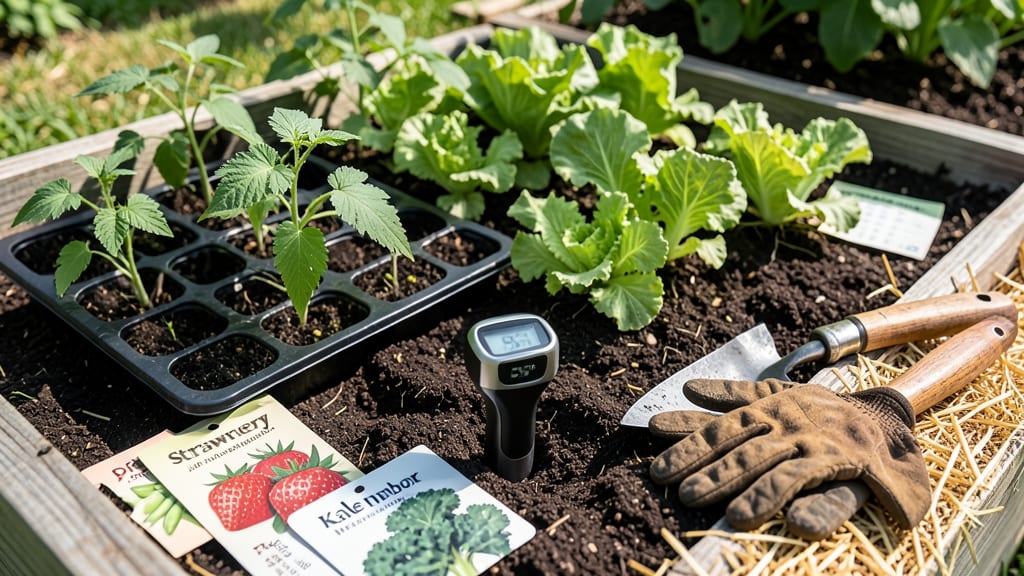
Timing when to plant a garden in Washington State just right could mean the difference between a thriving harvest and a sad, frost-bitten failure. With USDA zones 5b-9a across the state, knowing when to plant your 🌱 isn't one-size-fits-all—Western WA's mild winters clash with Eastern WA's longer growing seasons.
You might think March is always safe, but in Spokane, you could still face late frosts well into May. Meanwhile, Seattle gardeners might be itching to plant by February. The key? Understanding your last frost dates and adjusting for microclimates—whether you're in a city heat island or a sheltered valley.
I've spent years tracking planting windows, and what I'm about to share will help you avoid common mistakes. From cool-season crops like kale to heat-lovers like tomatoes, we'll break down the best times to get seeds in the ground for each region.
Ready to stop guessing and start growing? Let's dive into the exact planting schedule that works for your corner of Washington State—no more wasted seeds or disappointed seedlings.
Washington State last frost dates by region: critical planting timelines
Washington State’s last frost dates are the backbone of successful gardening. In the Puget Sound region (Seattle, Olympia), expect your average last frost around March 15–April 1, while Eastern Washington (Spokane, Wenatchee) often sees frost lingering until May 1–15.
These dates determine when to plant cool-season crops like lettuce and peas versus warm-season favorites such as tomatoes and peppers.
Microclimates add complexity: Urban areas like Seattle may warm up 1–2 weeks earlier than rural zones, thanks to the urban heat island effect. Meanwhile, high-elevation areas in the Cascades can experience frost well into May.
Always check USDA Hardiness Zones (Zone 5b–9a) for your specific location, as these zones correlate closely with frost timing.
Here’s a quick reference for key frost dates across Washington’s major regions, including adjustments for microclimates like valleys and slopes:
| Region | Last Frost Date | First Frost Date | Frost-Free Days | USDA Zone |
|---|---|---|---|---|
| Western WA (Seattle, Portland) | March 15–April 1 | October 15–November 1 | 165–200 | 8a–9a |
| Puget Sound (Olympia, Bremerton) | March 20–April 5 | October 10–November 5 | 180–210 | 8b–9a |
| Eastern WA (Spokane, Wenatchee) | May 1–15 | September 15–October 1 | 120–150 | 5b–6a |
| Columbia Basin (Yakima, Pasco) | April 15–May 1 | September 30–October 15 | 150–180 | 6b–7a |
| San Juan Islands | April 1–15 | October 5–20 | 170–190 | 8a–8b |
For cool-season crops like kale, spinach, and peas, plant 4–6 weeks before your last frost date. These hardy plants thrive in cooler temperatures and can even handle light frosts.
In Western WA, that means starting seeds indoors by February 15 or sowing directly in March. In Eastern WA, wait until late April to avoid frost damage.
Warm-season crops such as tomatoes, peppers, and corn need to wait until 2–3 weeks after your last frost. In Seattle, that’s typically mid-April, while Spokane gardeners should hold off until late May.
Use row covers or greenhouses to extend your growing season if needed, especially in higher-elevation areas.
Fall planting is another opportunity to maximize your harvest. In Western WA, you can plant cool-season crops like broccoli and carrots as late as August 15, giving them time to mature before the first frost. In Eastern WA
Best vegetables to plant in Washington State by season: cool vs. warm climate crops
Washington State’s diverse microclimates mean you can grow everything from frost-hardy kale to heat-loving tomatoes—but timing is everything. In Western WA, where winters are mild, you’ll plant cool-season crops like carrots and peas as early as February.
Meanwhile, Eastern WA’s longer growing season lets you tuck in melons and corn by late May.
For Western WA (Seattle, Portland, Puget Sound), focus on cool-season crops in early spring and warm-season crops after mid-April. My go-to list includes lettuce, spinach, and broccoli for spring, followed by zucchini, peppers, and cucumbers in summer.
In Eastern WA (Spokane, Wenatchee), you’ve got extra time—plant potatoes in March and tomatoes in late April.
Here’s my seasonal breakdown for both regions, with heat-tolerant varieties highlighted for the Columbia Basin and cold-hardy picks for the Cascades. Pay attention to these timelines to avoid frost damage or stunted growth.
For Eastern WA’s hotter valleys, like the Columbia Basin, opt for heat-tolerant varieties like ‘Heatmaster’ tomatoes or ‘Black Krim’ cucumbers. These thrive in temperatures that would scorch Western WA crops. Meanwhile, high-elevation areas (like Leavenworth) can grow cool-season crops later into summer.
Pro tip: Succession planting works wonders in WA. Sow lettuce every 2 weeks from March to September, and you’ll have continuous harvests without gaps. Just remember—Eastern WA can handle a second planting of beans in July, while Western WA might need to wait until August.
Don’t forget herbs! Cilantro bolts in heat, so plant it in spring/fall only. Basil, on the other hand, loves summer’s warmth—perfect for Eastern WA’s long growing season. Adjust your schedule based on your local frost dates, and you’ll be harvesting like a pro.