Plants
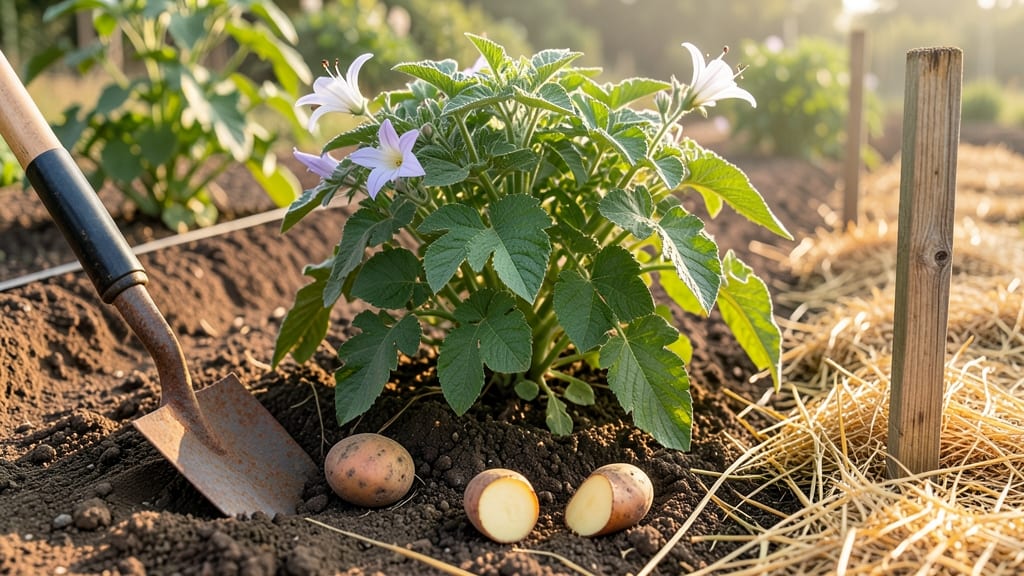
Planting potatoes in Virginia at the right time can make all the difference between a thriving harvest and wasted effort—especially in Hardiness Zone 7b. The key lies in understanding your local frost dates, soil temperatures, and the unique climate shifts between Piedmont and Mountain regions.
Whether you're a first-time gardener or a seasoned grower, timing matters more than you might think.
Most Virginia gardeners start planting potatoes in early spring, as soon as the soil warms to 40-50°F. This usually means late February to early March in the southern Piedmont, but wait until March or even April in the cooler Mountain regions.
Chitting your potatoes indoors a few weeks before planting gives them a head start, which is especially helpful if spring arrives late.
You’ll also want to account for Virginia’s unpredictable weather. Late frosts can still hit after your planting date, while sudden heat waves might stress young plants. The solution? Use row covers, mulch, and choose varieties that mature quickly—like Yukon Gold or Kennebec—to maximize your chances of success.
In this guide, I’ll break down the exact planting windows for your area, share tips for adjusting to Virginia’s climate quirks, and help you pick the best potato varieties for your garden. Let’s get those potatoes in the ground at the perfect time!
Virginia Zone 7b potato planting dates: when to start indoors and outdoors
Planting potatoes in Virginia’s Zone 7b requires precision—miss the window, and you risk frost damage or stunted growth. The key is understanding your last frost date (typically mid-April in Northern VA, early April in Southern VA) and soil temperature thresholds (40-50°F).
Early varieties like ‘Red Norland’ can handle cooler soils, while late varieties like ‘Russet Burbank’ need warmer conditions.
For most of Virginia, the optimal outdoor planting window spans from late February to early April, but this varies by region. Roanoke’s cooler microclimate may delay planting by 2-3 weeks compared to Richmond.
Meanwhile, container growing lets you start indoors 4-6 weeks before the last frost, giving you a head start on the season.
Soil temperature is critical—potatoes won’t sprout until the soil reaches 40°F, but ideal germination occurs at 50°F. Use a soil thermometer to monitor conditions, especially in microclimates like south-facing slopes or low-lying areas where frost lingers.
Here’s a quick reference for Virginia’s Zone 7b potato planting calendar, including indoor starts and outdoor planting dates:
| Stage | Action | Northern VA (Roanoke) | Southern VA (Richmond) |
|---|---|---|---|
| Indoor Start (Chitting) | Expose seed potatoes to light | Late Feb - Early Mar | Early Feb - Mid-Feb |
| Outdoor Planting | Plant when soil is 40°F+ | Mid-Apr - Early May | Late Mar - Mid-Apr |
| Harvest Window | Early varieties first | Late June - Early July | Early June - Late June |
| Soil Prep | Add compost, avoid fresh manure | Fall or early spring | Fall or early spring |
If you’re growing potatoes in containers, start seeds indoors 6-8 weeks before your last frost date. Use well-draining soil and keep containers in a sunny window or under grow lights. Transplant container-grown potatoes when they’ve developed 3-4 leaves and soil temperatures stabilize.
For early varieties, aim to plant by mid-March in Southern Virginia or early April in Northern Virginia. These potatoes mature faster (60-75 days) and tolerate cooler soils, making them ideal for Virginia’s unpredictable springs.
Late varieties, like ‘Kennebec’, need warmer soil and should be planted in April or early May.
Pro tip: Use row covers or black plastic mulch to warm soil faster and protect young plants from late frosts. This extends your planting window by 1-2 weeks, especially in Northern Virginia’s cooler regions.
Remember, Virginia’s humid climate increases disease risk, so prioritize well-draining soil and avoid overwatering. A soil pH of 5.0-6.5 is ideal for potatoes, and adding compost or aged manure in fall will improve soil structure for next year’s crop.
For organic gardeners, focus on green manure cover crops like clover or vetch planted in fall to enrich soil naturally. This also helps suppress weeds, reducing competition for nutrients during the growing season.
Finally, keep an eye on local weather forecasts—Virginia’s spring can shift from frost to 80°F in a week. If a late frost is predicted, use frost cloth to protect emerging plants until temperatures stabilize.
How to adjust potato planting for Virginia’s unpredictable spring weather
Virginia’s spring weather can be as unpredictable as a toddler’s mood—one day frost, the next 80°F. This variability forces gardeners to adapt planting strategies to protect delicate potato sprouts. The key is flexibility: having backup dates, protective gear, and quick-maturing varieties in your toolkit.
Late frosts (common until mid-April in Northern VA) can wipe out young plants overnight, while sudden heat waves stress tender shoots before they establish roots.
Your first defense is row covers or frost cloth, which can push your planting window 1-2 weeks earlier by trapping heat. Lay them directly over planted rows when nights dip below 32°F.
Remove covers during the day to prevent overheating. For extra insurance, use black plastic mulch—it warms soil 5-10°F faster than bare earth, accelerating germination in cooler springs.
Here’s what to watch for—and how to respond—when Virginia’s spring throws curveballs:
Soil moisture is another wild card. Virginia’s spring can swing from drought to downpours in days. Potatoes need consistent moisture but hate soggy soil. If rains stall germination, water gently to keep soil 60-70% moisture.
Use a soaker hose to avoid disturbing soil. For drought-prone areas, plant in raised beds with mulch—they retain moisture better than in-ground plots.
When temperatures spike early (like the 70°F+ days Virginia sometimes sees in March), young plants bolt—sending up flowers instead of tubers. To prevent this, choose early-maturing varieties (60-75 days to harvest) and shade seedlings with 30% shade cloth during heatwaves.
Water deeply in the morning to cool roots and reduce stress.
For gardeners in Northern Virginia’s Mountain regions (like Roanoke), delay planting until after Mother’s Day—this minimizes frost risk. In Southern Virginia’s Piedmont (Richmond area), you can plant as early as mid-March, but have a backup planting date ready in case of cold snaps.
Succession planting every 2 weeks ensures a staggered harvest, reducing the impact of weather surprises.
Finally, embrace the “wait-and-see” approach. Check soil temperatures daily with a soil thermometer. Plant only when temperatures consistently stay above 50°F for 5+ days. If spring stays cool, opt for cold-hardy varieties like ‘Red Norland’ or ‘Kennebec’—they tolerate 40°F soil better than fussy varieties like ‘Russet Burbank’.