
Plants
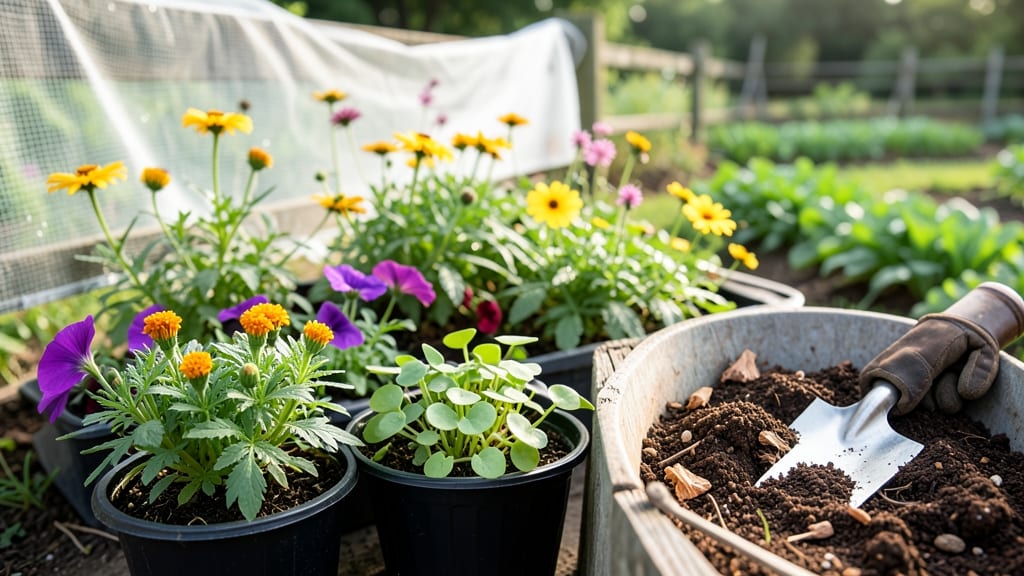
Timing your annuals planting in Pennsylvania wrong can mean the difference between a vibrant garden and a sad, frost-killed mess. Pennsylvania’s climate—with its unpredictable frost dates and shifting zones—makes getting it right feel like a guessing game.
But here’s the good news: with the right planting windows, you can beat the frost and enjoy blooms from spring to fall.
Whether you’re in Zone 5a or 7b, knowing when to tuck those 🌱 annuals into the soil is everything. Too early, and a late frost will wipe them out; too late, and you’ll miss the full growing season.
I’ll break down the exact months for cool-loving flowers (like pansies) versus heat-seekers (like marigolds), so you can plant with confidence—no more second-guessing.
This isn’t just about throwing seeds in the dirt and hoping for the best. It’s about working with Pennsylvania’s quirks—like microclimates in cities or rural areas—to stretch your planting season.
You’ll learn how to use row covers, succession planting, and even heat-tolerant varieties to keep your garden thriving long after most people have given up.
Ready to turn your garden into a year-round showstopper? Let’s dive into the exact planting schedule for your zone, so you can skip the guesswork and start enjoying those colorful blooms—without the frost stress.
Pennsylvania planting zones & exact frost-free date windows for annuals
Pennsylvania spans USDA hardiness zones 5a through 7b, meaning frost dates vary dramatically from the Poconos Mountains (5a) to Philadelphia (7a). These differences determine whether your marigolds or pansies survive the night.
I’ll break down the exact frost-free windows by zone so you can plant annuals with confidence—no more guessing games.
Most of Pennsylvania’s last spring frost occurs between April 15 and May 15, depending on elevation and microclimates. For example, Pittsburgh (6a) typically sees its final frost around May 1, while Erie (5b) can linger until May 10.
Urban areas like Allentown (6b) often warm up faster than rural zones due to the urban heat island effect.
To avoid frost damage, I recommend using the 10-day rule: Wait until 10 days after your average last frost date to plant warm-season annuals like zinnias or petunias.
For cool-season annuals (e.g., pansies, snapdragons), you can start 4-6 weeks before your last frost date. Below is your zone-specific planting timeline.
🌱
| Zone | Avg. Last Frost | Plant Warm-Season Annuals | Plant Cool-Season Annuals | Microclimate Tip |
|---|---|---|---|---|
| 5a (Poconos, NE PA) | May 15 | May 25 | April 1 | Use row covers for late frosts |
| 5b (Erie, State College) | May 10 | May 20 | March 25 | South-facing slopes warm faster |
| 6a (Pittsburgh, Harrisburg) | May 1 | May 11 | March 15 | City gardens plant 1 week earlier |
| 6b (Lancaster, York) | April 25 | May 5 | March 10 | Cold frames extend season by 3 weeks |
| 7a (Philadelphia, Reading) | April 15 | April 25 | February 28 | Heat islands allow earlier planting |
For urban gardeners, microclimates play a huge role. A south-facing wall can add 1-2 weeks to your frost-free window, while low-lying areas may experience frost 10 days later than higher elevations. I always recommend testing soil temperature—it should be at least 60°F for warm-season annuals before planting.
If you’re in zone 5a or 5b, consider starting warm-season annuals indoors by March 1 to give them a head start. For zone 7a, you can even plant heat-loving annuals like sunflowers as early as April 15 in protected microclimates.
Always check your local Almanac’s frost predictions for the most accurate dates.
Pro tip: Use biodegradable seed starter pots for early plantings. They reduce transplant shock and let you start seeds 4-6 weeks before your last frost date. This is especially useful for slow-growing annuals like snapdragons or cosmos.
🌿
First-time gardeners often overlook succession planting, which lets you enjoy <
How to extend your annual planting season without risking frost damage
Pennsylvania’s late spring frosts can throw off even the best-laid planting plans. But with the right strategies, you can safely extend your annual planting season by weeks—even months—without losing your hard work to frost.
The key is protecting tender plants while giving them enough time to establish roots before winter creeps back.
I’ve tested these methods in my own garden, and they’ve helped me push my last planting dates well into September. Whether you’re using low-cost DIY solutions or investing in commercial products, these tactics will give your annual flowers a fighting chance against Pennsylvania’s unpredictable weather.
Start with row covers—lightweight fabric that traps heat and shields plants from light frosts (down to 28°F). For earlier starts, try a cold frame, which can raise soil temperatures by 10-15°F.
These work wonders for cool-season annuals like snapdragons and pansies, letting you plant them as early as March in most of PA.
⚠️ Frost Alert: When to Cover (And When to Panic)
Don’t wait until frost hits to cover plants—apply row covers at dusk the night before a forecasted frost. For hardy annuals (like calendulas), you can push it to 25°F, but most tender varieties (petunias, zinnias) need protection above 32°F. Remove covers during the day to prevent overheating.
For late-season extensions, focus on heat-tolerant varieties like celosia or portulaca, which can handle 90°F+ temperatures and still bloom. Pair them with succession planting: sow new seeds every 2-3 weeks from May through July to ensure continuous blooms.
This works especially well for fast-growing annuals like basil or cosmos.
If you’re on a budget, DIY cold frames made from old windows or plastic bins can cost as little as $20 and extend your season by 4-6 weeks.
For urban gardeners, container gardening with heat-absorbing materials (like black plastic pots) can create microclimates that stay 5-10°F warmer than the surrounding soil. Just remember: water consistently—containers dry out faster, and stressed plants are more vulnerable to frost.
Pro tip: Use a frost clock (available at garden centers) to track your local last frost date. In Pennsylvania, this typically ranges from April 15 (Zone 7b) to May 15 (Zone 5a), but microclimates can shift these dates by 1-2 weeks.
Adjust your planting schedule accordingly, and don’t forget to harden off seedlings gradually to avoid transplant shock.