
Plants
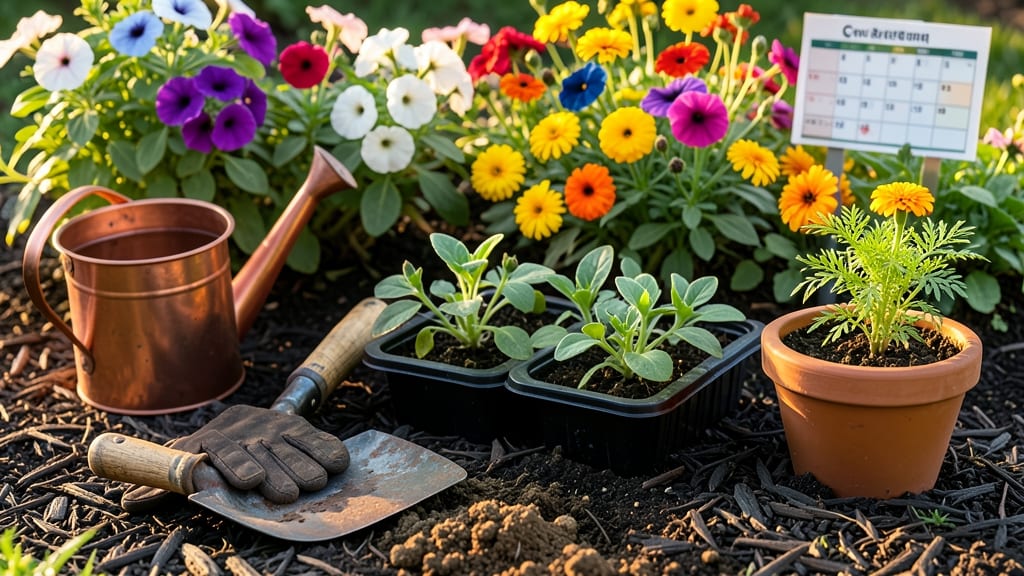
When to plant annuals in Wisconsin isn’t just about waiting for spring—it’s about dodging frost, embracing the 150-180 frost-free days in your zone, and picking the perfect moment for vibrant blooms or bountiful veggies. One wrong move, and your 🌸 marigolds could turn into a sad, icy snack instead of a summer showstopper.
Here’s the truth: Wisconsin’s 4b-6a zones demand precision. Plant too early, and a late frost will wipe out your petunias. Wait too long, and you’ll miss the sweet spot for zinnias that burst into color by July.
I’ll break down the exact windows—from mid-April to early June for spring plantings, or mid-July to early August for a late-summer splash of color—so you never guess again.
But timing isn’t the only secret. We’ll also cover how to stretch your season with row covers, which annuals handle Wisconsin’s mood swings best, and why soil temperature (not just calendar dates) is the real game-changer. Ready to turn your garden into a frost-proof paradise?
Let’s get your annuals in the ground at the perfect moment—because in Wisconsin, the difference between a thriving garden and a frostbite victim comes down to a few weeks (or days) of smart planning.
Wisconsin frost dates by Zone: when to plant annuals safely
Wisconsin’s USDA Hardiness Zones 3-5 create unique challenges for annual gardeners. The last spring frost can arrive as early as mid-April in Zone 5 but linger until early June in Zone 3.
Meanwhile, the first fall frost typically hits mid-October in Zone 4, leaving only 150-180 frost-free days for annuals to thrive.
Timing is everything—plant too early, and a surprise frost will kill tender seedlings. Too late, and you’ll miss the peak blooming season. The key is knowing your local frost dates and selecting annual varieties that match your zone’s growing window.
🌱 Wisconsin Frost Date Summary Table
For Zone 3 gardeners, focus on cold-hardy annuals like marigolds and snapdragons, which can tolerate light frosts. In Zone 5, you’ll have more flexibility to plant tender varieties like impatiens earlier, but always wait until the soil temperature reaches 50°F to avoid root damage.
Even in Zone 4, late spring frosts can still occur, so use frost cloth for extra protection if planting early. Check your local Wisconsin State Climatology Office for real-time updates, as frost dates can shift 1-2 weeks earlier or later depending on the year.
In Zone 5, you can even squeeze in a late-summer planting of heat-loving annuals like portulaca or celosia after the July 4th weekend, giving them time to bloom before frost. Just be prepared to harvest or cover plants by mid-October.
Pro tip: Start seeds indoors 4–6 weeks before your last frost date to give seedlings a head start. For example, Zone 3 gardeners should begin petunia seeds indoors in early April, while Zone 5 gardeners can wait until mid-April.
Remember, microclimates matter. Urban areas like Milwaukee may warm up faster than rural northern Wisconsin, so adjust your planting dates accordingly. Always monitor weekly weather forecasts for frost warnings in May and September.
By following these zone-specific frost dates, you’ll avoid the heartbreak of frost-killed annuals and enjoy a longer, more vibrant blooming season—no matter where in Wisconsin you garden. 🌸
Best annual flowers to plant by Wisconsin month (with hardiness notes)
Wisconsin’s short growing season demands smart monthly planning. Each month offers unique opportunities—from cold-hardy spring bloomers to heat-loving late-summer stars. I’ll break down the best annuals to plant each month, tailored to Wisconsin’s USDA Zones 3-5, so you can maximize color and minimize frost risks.
Start with Zone 3’s late-May plantings of marigolds and snapdragons, then shift to Zone 5’s early-May petunias. The key is matching each flower’s hardiness to Wisconsin’s unpredictable weather. For example, zinnias thrive in Zone 4’s June heat, while cosmos self-seed reliably for fall blooms.
🌱 Wisconsin Monthly Planting Guide
- 📅 April-May (Zone 5 only): Start petunias, geraniums indoors. Hardiness note: Wait until soil reaches 50°F—frost will kill tender seedlings.
- 📅 Mid-May (Zone 4): Plant zinnias, cosmos, calendula. Hardiness note: These tolerate light frosts but need full sun to thrive.
- 📅 Late May (Zone 3): Focus on marigolds, snapdragons, pansies. Hardiness note: Pansies handle 32°F temps—perfect for early-season color.
- 📅 June (All Zones): Add impatiens, begonias, vinca. Hardiness note: Shade-loving varieties like impatiens need afternoon protection.
- 📅 July (Late-Summer): Try portulaca, celosia, sunflowers. Hardiness note: These heat-tolerant plants bloom until first frost.
- 📅 August (Succession Planting): Sow basil, nasturtiums, sweet alyssum. Hardiness note: Fast-growing varieties like nasturtiums mature in 30-40 days.
For Zone 5 gardeners, May is prime time for tender annuals like impatiens, but Zone 3 gardeners should wait until June 1st to avoid frost damage. Pro tip: Use row covers to plant 2 weeks earlier in May for extra hardy varieties like calendula.
Don’t overlook late-summer plantings! After July 4th, swap out frost-sensitive petunias for heat-loving portulaca, which thrives in 90°F+ temps. These succulent-leaved annuals stay vibrant until first frost and need minimal water—ideal for Wisconsin’s dry spells.
For fall color, sow cosmos and black-eyed Susans by mid-August. These self-seeding annuals will pop up next spring, giving you free blooms with zero effort. Just remember: Zone 3’s first frost arrives by September 20th, so prioritize fast-growing varieties like zinnias (60 days to bloom).
One common mistake? Planting tender annuals too early in Zone 4. I’ve seen geraniums wilt overnight after a May frost. The fix? Check the Wisconsin State Climatology Office for weekly frost alerts and adjust your timeline by 1-2 weeks if needed.
By following this month-by-month guide, you’ll enjoy nonstop color from May through October, even in Wisconsin’s short season. Start with cold-hardy picks in spring, then transition to heat lovers by summer—your garden will thank you with bold blooms all season long. 🌼