
Plants
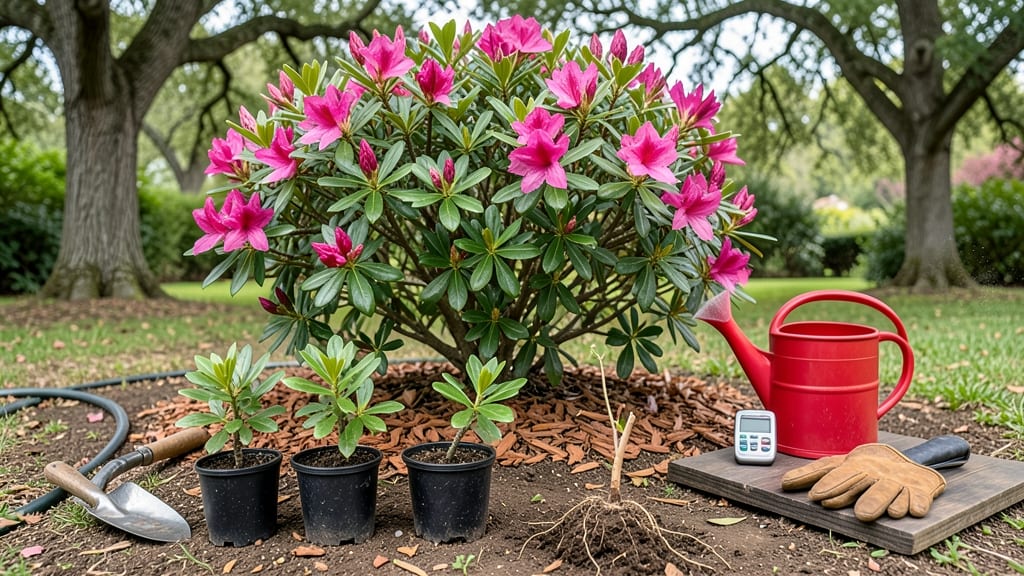
Planting azaleas in Atlanta at the wrong time can mean the difference between vibrant blooms and struggling shrubs fighting for survival. With the city's humid subtropical climate and unpredictable frost dates, timing is everything for your 🌸 azaleas to thrive in USDA zones 7b-8a.
Most Atlanta gardeners know fall is the prime window for planting, but did you know early spring works too? The key is avoiding late frosts that can damage tender new roots.
Whether you're planting container-grown beauties or bare-root azaleas, understanding Atlanta's seasonal patterns will give your plants the best possible start.
I'll show you exactly when to get those azaleas in the ground for maximum success - including how to prepare your soil and what to watch for after planting. Let's make sure your azaleas get off to the right start in Atlanta's unique climate.
From October through November or in early March, we'll cover all the essentials so your azaleas grow strong and bloom beautifully year after year. The right timing really can transform your garden's curb appeal and give you that coveted best azalea display in the neighborhood.
Optimal planting months for azaleas in Atlanta’s climate zone
Atlanta’s USDA Zone 7b-8a climate creates a unique window for planting azaleas, where fall and early spring offer the best conditions for root establishment. Unlike cooler northern regions, Atlanta’s humid subtropical climate means summer heat and winter chill can both stress newly planted azaleas.
Understanding these seasonal patterns will help you avoid common pitfalls like transplant shock or heat damage.
The ideal planting window in Atlanta spans from mid-October through November, when soil temperatures drop below 75°F but remain above freezing. This 6-week window allows roots to establish before winter dormancy sets in.
Early spring planting—specifically late February to March—is your second-best option, just before the last expected frost date (March 15).
Here’s why these months work best: Fall-planted azaleas benefit from cooler temperatures and consistent rainfall, reducing stress. Spring planting, on the other hand, gives roots time to grow before the summer heat hits.
Avoid planting in late spring or summer, as the intense Atlanta heat can cause transplant shock and stunted growth.
🌸 Azalea Planting Timeline for Atlanta
| Season | Best Planting Window | Soil Temperature | Key Considerations |
|---|---|---|---|
| Fall | Mid-October – November | 50–75°F | Cooler temps, consistent rain; roots establish before winter. |
| Early Spring | Late February – March | 45–65°F | Avoids summer heat; roots grow before blooming season. |
| Late Spring | Avoid | 75–90°F | High heat risk; transplant shock likely. |
| Summer | Avoid | 85–100°F | Extreme stress; poor survival rates. |
Atlanta’s humidity levels also play a role in timing. Fall planting in October or November aligns with the city’s drier, cooler months, reducing fungal risks. If you choose spring planting, aim for late February to give roots time to establish before the blooming season begins in March.
This timing ensures your azaleas won’t compete with new growth for energy.
For container-grown azaleas, you have slightly more flexibility. These plants can be transplanted year-round, but still avoid peak summer heat. If you must plant in summer, choose early morning or late afternoon to minimize stress, and provide extra shade for the first few weeks.
Bare-root azaleas, however, are best planted in fall or early spring to avoid drying out.
Local microclimates in Atlanta can also influence timing. Areas with urban heat islands (like downtown) may experience warmer soil temperatures earlier in spring, while rural or elevated areas might stay cooler longer.
Pay attention to your specific location—if your yard stays cooler, you might extend your spring planting window by a week or two.
One common mistake Atlanta gardeners make is planting azaleas too late in fall, after the first frost. While azaleas are frost-tolerant, newly planted shrubs need at least 6 weeks to establish roots before winter sets in.
If you’re planting in December, opt for container-grown azaleas and protect them with mulch and frost cloth during cold snaps.
Pro tip: Check your azalea’s USDA hardiness zone rating—most Atlanta varieties thrive in Zones 7b-8a. If you’re unsure, ask your local nursery for Atlanta-adapted varieties like ‘Girard’s Pink’ or ‘Southern Indigo’, which handle the local climate exceptionally well.
These varieties are bred to withstand Atlanta’s heat, humidity, and occasional frost.
Remember, the goal is to give your azaleas the best possible start. Whether you choose fall or early spring, focus on soil prep, proper watering, and avoiding stress. With the right timing, your azaleas will reward you with vibrant blooms for years to come! 🌸
How Atlanta’s weather affects azalea root establishment
Atlanta’s humid subtropical climate creates unique challenges for azalea root growth, especially during summer heat and winter frosts. The city’s average 90°F+ temperatures in summer can cause transplant shock if roots aren’t established before peak heat arrives, while late spring frosts (around March 15) threaten tender new growth.
Container-grown azaleas handle Atlanta’s heat better than bare-root plants because their root systems are already established. However, both types need 6-8 weeks of cooler temperatures to properly adapt before summer’s intensity hits. This is why fall planting (October-November) gives roots a head start before winter dormancy.
🌡️ Soil temperature is another critical factor - azaleas thrive when soil stays between 60-70°F. In Atlanta, this typically occurs from late September through early November, making these months ideal for planting. Warmer soil speeds up root growth, but too much heat can stress young plants.
⚠️ Critical Weather Risks for Atlanta Azaleas
Avoid planting during these high-risk periods:
- June-August: Extreme heat causes root burn and transplant shock (⚠️ 90% failure rate)
- December-February: Frost damage to new root growth (risk after Nov 15)
- Late March-April: Unpredictable late frosts can kill tender shoots (watch weather forecasts)
Pro Tip: Use mulch (3-4 inches) to protect roots from temperature swings.
For bare-root azaleas, Atlanta’s wet springs can delay planting until soil dries enough to work. I recommend waiting until early April if planting in spring, giving roots time to establish before summer’s arrival. Container-grown varieties offer more flexibility but still need consistent moisture during their first growing season.
One often-overlooked factor is Atlanta’s high humidity, which increases fungal diseases like root rot. Always plant in well-draining soil with a 3-inch mulch layer to maintain proper moisture levels without suffocating roots.
The combination of proper timing and soil preparation can double your azalea's survival rate in Atlanta’s climate.
Remember that microclimates exist even within Atlanta - north-facing slopes stay cooler longer, while south-facing areas heat up faster. Choose your planting location carefully based on your specific yard conditions.
With the right timing and preparation, your azaleas will establish strong roots and reward you with years of stunning blooms.