
Plants
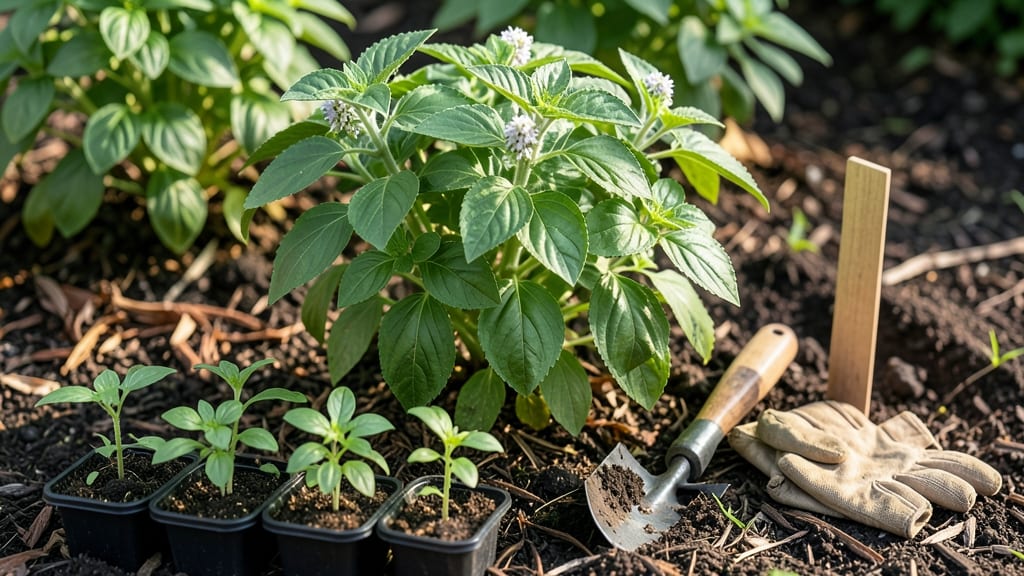
If you’ve ever dreamed of learning when to plant basil in Colorado but hesitated because of frost worries, you’re not alone.
The key to success lies in planting at the right time—too early, and a late frost will kill your seedlings; too late, and your basil will bolt before you can enjoy its rich flavor.
Colorado’s varied elevation zones mean your planting window can shift dramatically from Denver’s Front Range to the high country. Whether you’re a beginner or a seasoned gardener, knowing when to plant basil in your specific zone is the most important step to a bountiful harvest.
In this guide, I’ll break down the exact frost-free planting windows by elevation, including pro tips for starting seeds indoors or direct sowing. You’ll also discover how to extend your growing season and choose the best basil varieties for Colorado’s climate.
Let’s get your basil thriving—no more guesswork, just delicious results from June through September!
Colorado basil planting dates by elevation Zone (frost-free timeline)
Colorado’s diverse elevations create a patchwork of planting zones, where a Denver garden and an Aspen plot can experience last frosts months apart. Understanding your elevation-specific frost dates is critical—basil seeds won’t germinate below 50°F soil temperatures, and seedlings can’t survive 32°F frosts.
Use these USDA zone-aligned timelines to pinpoint your ideal window, whether you're in Pueblo’s lowlands or Leadville’s high country.
I’ve distilled Colorado State University frost data into actionable deadlines, including direct sowing (planting seeds outdoors) vs. transplanting (moving nursery starts). Pro tip: Check the Almanac’s Colorado frost calculator for your exact microclimate—even neighborhoods just 1,000 feet apart can have 2-week planting differences.
For lowland zones (3,000–5,000 ft) like Denver and Pueblo, aim to plant after May 15—this avoids the late-April/early-May frost risks while giving basil enough heat accumulation before summer’s intensity.
In mid-elevation (5,000–7,000 ft), where Boulder and Colorado Springs reside, delay until June 1 to dodge unpredictable May frosts. High-altitude gardeners (7,000+ ft) should wait until mid-June, as soil temps lag behind lower elevations by weeks.
🌱 Key Insight: Transplants tolerate cooler temps better than direct-sown seeds. In Zone 5b (Denver), you can start transplants as early as mid-April, while seeds should wait until mid-May. This 2-week buffer is your safety net against Colorado’s infamous "April snow events."
| Elevation Zone (ft) | USDA Hardiness Zone | Last Avg. Frost (Spring) | First Avg. Frost (Fall) | Planting Window | Key Risks |
|---|---|---|---|---|---|
| 3,000–5,000 (Denver, Fort Collins, Pueblo) | Zones 5b–6a | April 15–May 1 | October 1–15 | May 15–June 15 (direct) / April 15–May 1 (transplants) | Late frosts, summer heat stress |
| 5,000–7,000 (Estes Park, Boulder, CO Springs) | Zones 4b–5a | May 1–15 | September 15–30 | June 1–15 (direct) / May 1–15 (transplants) | Unpredictable frosts, shorter season |
| 7,000+ (Aspen, Leadville, Summit County) | Zones 3b–4a | May 15–June 1 | September 1–15 | June 15–July 1 (direct) / May 15–June 1 (transplants) | Extreme temp swings, limited heat |
• Use Colorado State University’s frost maps for hyper-local adjustments.
• Wait for soil temps ≥70°F (use a soil thermometer—basil seeds need warmth to germinate).
• High-altitude zones? Try row covers to add 2–3 weeks to your season.
• Denver’s urban heat islands can push last frost dates 1 week later than rural areas.
Timing isn’t just about frost—it’s about heat accumulation. Basil needs 1,200–1,500 growing degree days (GDD) to mature. In Pueblo (Zone 6a), this happens by mid-July, while Aspen (Zone 4a) may only reach it by early August.
If you plant too late, your basil will bolt (flower prematurely), turning bitter and inedible. My rule of thumb: Count back 60 days from your first fall frost to determine your latest planting date. For Denver, that’s early July; for Leadville, it’s mid-June.
🌡️ Pro Move: Test your soil temperature with a cheap digital thermometer ($10 at garden centers). Basil seeds won’t germinate below 50°F, and slow growth below 60°F leaves them vulnerable to damping off (a fungal disease that kills seedlings).
If your soil is cold, start seeds indoors 4–6 weeks before your target outdoor date—Genov
How to extend your Colorado basil season (pro tips for bolting prevention)
Colorado’s short growing season and unpredictable weather can turn basil from a thriving herb to a bolting disappointment in weeks. The key to success? Strategic timing and smart growing techniques to push your basil’s limits.
I’ve tested these methods in my own garden—from Denver’s Front Range to the high country—and they’ve helped me extend harvests by 4–6 weeks compared to standard planting.
First, let’s tackle the biggest challenge: bolting. Basil flowers when stressed by heat, poor airflow, or uneven watering. In Colorado, where summer temperatures can swing from 60°F mornings to 90°F afternoons, bolting happens fast.
The good news? With the right approach, you can delay flowering until September in most zones.
Here’s my step-by-step guide to keeping your basil lush and productive all season long. These tips work for both in-ground gardens and containers, so whether you’re growing in raised beds or balcony pots, you’ll stay ahead of the bolting curve.
🌱 Pro Tips to Extend Your Basil Season
Exposure to 40–45°F nights for 5–7 days before the last frost toughens seedlings. Use a cloche or row cover for the first 2 weeks in high-elevation zones like Estes Park or Aspen. This trick lets me plant 2–3 weeks earlier without frost damage.
Sow new seeds every 2–3 weeks from late May through July. In Denver (Zone 5b), this means 3–4 planting batches before bolting risks peak in August. Staggering plantings ensures fresh basil from June through September.
Use black pots (they absorb heat) and place near south-facing walls. Basil in containers can be moved indoors during September’s cooler nights to extend harvests until October 15 in lowland zones.
Give plants 3 inches of space, water 2 inches per week (drip irrigation preferred), and provide 1 hour of morning sun (avoid afternoon heat). This combo delays flowering by 3–4 weeks in Colorado’s climate.
But even with these strategies, Colorado gardeners make three critical mistakes that trigger bolting faster than you can say “pesto.” Avoid these pitfalls to keep your basil thriving:
- Planting too early in high-altitude zones—basil seeds won’t germinate below 50°F soil temps. Wait until May 15 in Aspen or Leadville.
- Ignoring afternoon humidity in Front Range valleys, which promotes fungal diseases like downy mildew. Space plants properly and water at morning.
- Skipping mulch in rocky soil (common in Western Slope areas), leading to uneven moisture and stress. Use straw or wood chips to retain moisture.
By following these tips, you’ll turn Colorado’s challenges into opportunities. My Genovese basil plants in Denver now produce harvests from late June to mid-October, and my high-country Sweet Thai basil thrives until September 15 with minimal bolting.
The secret? Pay attention to your microclimate, adjust your timing, and never skip the mulch!
Ready to put these strategies to work? Grab your seeds or transplants and mark your calendar—your June–September basil bonanza starts now! 🌿