
Plants
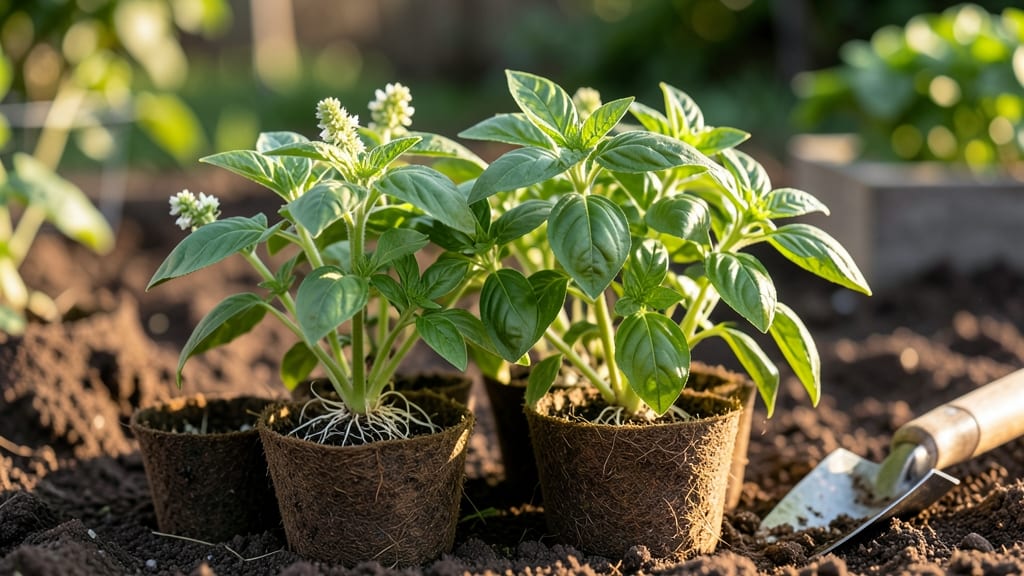
Timing your basil planting in Virginia perfectly means the difference between a thriving herb garden and a sad, bolted disappointment. The key? Waiting for that last frost to pass—usually around mid-April—while preparing for Virginia’s unpredictable heat waves that can turn tender basil into a bitter memory.
If you’re in USDA Zone 7a, like much of Virginia, your window is tight: plant too early, and frost will kill your seedlings; too late, and the summer sun will send your basil racing to flower before you’ve even harvested a single leaf.
I’ve learned the hard way that patience pays off—skipping the rush ensures your 🌿 basil stays sweet and productive from late June through October.
But here’s the secret most Virginia gardeners miss: soil temperature matters just as much as air temperature. Your basil won’t thrive until the ground warms to at least 50°F, which often means waiting until early May in cooler pockets of the state.
And if you’re tempted to squeeze in a fall crop? Think twice—Virginia’s first frost usually hits by mid-November, leaving little room for error.
In this guide, I’ll break down the exact dates, soil prep tricks, and shade strategies to keep your basil happy through Virginia’s sweltering summers. Ready to grow basil that tastes like summer all season long? Let’s get started.
Virginia’s USDA Zones & exact basil planting dates by month
Virginia’s diverse climate—spanning USDA Zones 5b through 8a—means your basil planting window varies dramatically from the mountains to the coast. In Zone 5b, where frosts linger until mid-May, you’ll plant later than in Zone 8a, where warm soil arrives by early April.
Even a 2-week difference can mean the difference between lush harvests and bitter bolting.
For most Virginia gardeners in Zones 6-7a (covering Richmond, Charlottesville, and Roanoke), the sweet spot is mid-April to early May, once soil temperatures hit 50°F (10°C).
But in Zone 8a (Norfolk, Virginia Beach), you can start as early as late March—just be ready to shield seedlings from unpredictable late frosts.
Fall planting is trickier in Virginia. While Zone 8a gardeners can squeeze in a second crop by late August, those in Zone 6 should stop by mid-July to avoid early October frosts that’ll kill tender basil. Use these exact planting deadlines to maximize your harvest window.
🌱
| USDA Zone | Last Frost Date | Ideal Planting Window | Fall Planting Deadline | Key Tip |
|---|---|---|---|---|
| 5b (Mountains) | Mid-May | Late May - Early June | None (too short season) | Use row covers for early starts |
| 6 (Roanoke) | Early April | Mid-April - Early May | Mid-July | Stagger plantings every 2 weeks |
| 7a (Richmond) | Mid-April | Late April - Early May | Late July | Mulch to retain moisture |
| 7b (Fredericksburg) | Early April | Late March - Early April | Early August | Shade cloth for summer heat |
| 8a (Norfolk) | Late March | Late March - Early April | Late August | Extend season with containers |
If you’re in Zone 7b or 8a, don’t miss Virginia’s second planting window in late summer. For Zone 7b, aim for early August—this gives plants 6-8 weeks of growth before first frost.
In Zone 8a, you can push it to mid-August, but watch for hurricane season, which can bring unexpected chills.
For container gardeners, the rules relax slightly. You can plant 2-3 weeks later than in-ground basil because pots warm up faster. Just ensure your containers have drainage holes—Virginia’s humidity and summer rains turn soggy soil into a bolting trigger.
Pro tip: Check Virginia’s Virginia Cooperative Extension frost maps annually—they update last frost dates every few years. A 2-week shift can turn a failed crop into a bountiful harvest.
🌡️
Remember, soil temperature matters more than air temperature. Use a soil thermometer to confirm 50°F (10°C) before planting. In Zone 6, this might mean waiting until late April even if air temps are warm. Cold soil = stunted growth = bolting risk.
For
How to extend basil’s growing season in Virginia’s hot climate
Virginia’s sweltering summers and sudden heat waves can turn your basil into a bitter, bolted mess—unless you use these season-extending tricks. The key? Control temperature, manage sunlight, and stagger plantings to outsmart the climate.
I’ve tested these methods in Zone 7a, and they’ve kept my basil producing flavorful leaves from June through October.
First, shade cloth is your best friend. Once temps hit 90°F+, drape 30-50% shade fabric over your basil to block intense afternoon sun. This prevents heat stress and delays bolting by 2-3 weeks.
For container gardeners, move pots to partial shade during peak heat—even a morning sun/afternoon shade spot works wonders.
🌿
- 🌡️ Use black plastic mulch to warm soil 5°F faster in spring, giving basil a head start before heat arrives.
- 🌱 Stagger plantings every 2 weeks—this ensures a continuous harvest as older plants bolt and younger ones take over.
- 💧 Water deeply in the morning to cool roots and prevent soil-borne diseases from Virginia’s humidity.
- ✂️ Prune aggressively—pinch off flower buds and lower leaves to redirect energy into leaf production.
- 🪴 Grow in containers for mobility—move pots to shadier spots or indoors during heatwaves.
For fall extensions, focus on soil temperature. Basil needs 60°F+ soil to thrive, so wait until late July in Zone 6 or early August in Zone 7a. Use row covers at night to protect from chilly mornings—even a 5°F dip can stunt growth.
And if you’re in Zone 8a, don’t stop at frost: harvest leaves before flowers form and regrow from cuttings indoors.
One mistake I made? Overcrowding plants to "save space." Basil needs 12-18 inches between stems for air circulation. Poor airflow = fungus = bolting. Thin seedlings early to avoid this trap.
Pro tip: Genovese basil handles heat slightly better than Sweet basil, but for longest harvests, try Thai basil—it’s bolting-resistant and thrives in partial shade. Just be prepared for a spicier flavor!
☀️