
Plants
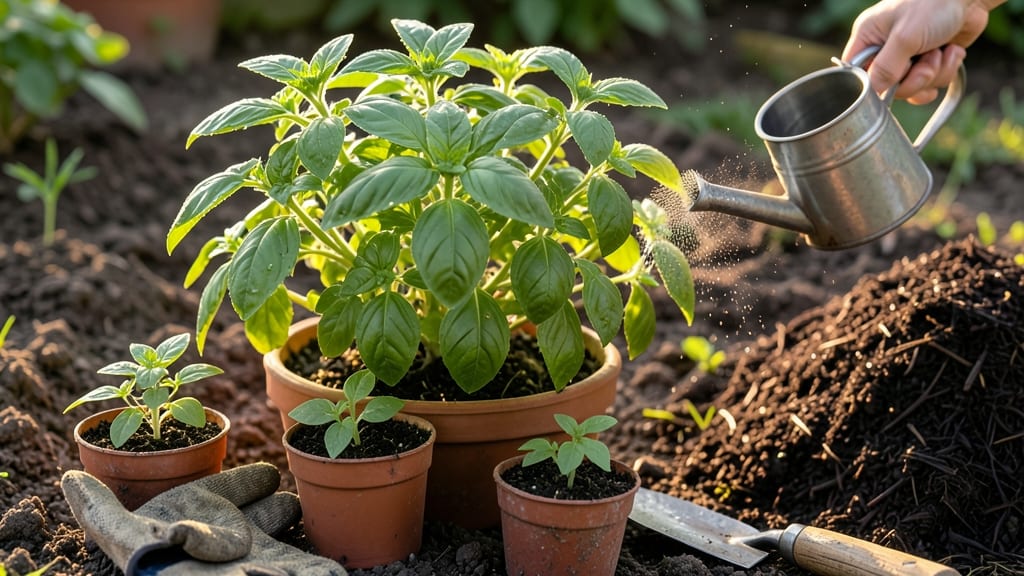
Timing your basil planting in Georgia isn’t just about avoiding frost—it’s about unlocking the sweetest, most flavorful harvests possible. With Georgia’s warm winters and humid summers, even a single week’s mistake can send your basil bolting or struggling.
The key? Planting after March 15th (your last average frost date) but before the heat peaks, ensuring your 🌿 thrives from spring through fall.
Here’s the secret most gardeners miss: Georgia’s Zone 7b-8b climate lets you grow basil twice a year—once in spring and again in late summer. But rushing seedlings into cold soil or waiting too long means missing that perfect 60-day flavor window.
I’ll show you exactly when to start seeds indoors, when to transplant outdoors, and how to adjust for your specific corner of the state—whether you’re in Atlanta’s cooler pockets or Savannah’s steamy heat.
Why does this matter? Because basil planted at the wrong time grows bitter, leggy, or just plain gives up. You’ll learn how to prep your soil for Georgia’s clay-heavy earth, when to protect young plants from late frosts, and how to stretch your harvest into October by using shade cloth.
No more wasted effort—just bold, aromatic leaves ready for your favorite pesto or pasta dishes.
Ready to grow basil that tastes like a pro? Let’s dive into the exact planting schedule that works for Georgia’s unique growing conditions—so you can enjoy fresh basil from your garden all season long.
Georgia’s exact basil planting schedule by week before last frost
Timing your basil planting in Georgia is all about avoiding those late spring frosts that can wipe out tender seedlings. Since Georgia spans USDA Zones 7b-8a, the exact window varies slightly between North Georgia's cooler microclimates and South Georgia's warmer regions.
For most of the state, aim to plant 2-4 weeks after your average last frost date, which typically falls between mid-March and early April.
Basil thrives when soil temperatures hit at least 50°F (10°C), so don’t rush to plant before then—cold soil slows germination and stresses seedlings. In North Georgia (Zone 7b), where frosts linger longer, wait until April 1st as a safe bet.
Meanwhile, South Georgia (Zone 8a) gardeners can start as early as late March in sheltered spots.
For a fall harvest, Georgia’s second planting window opens in late August to early September. This gives basil enough time to mature before the first frost arrives in mid-November. Fall-planted basil often produces more intense flavors because the cooler nights slow growth, concentrating oils in the leaves.
| Planting Window | Zone 7b (North GA) | Zone 8a (South GA) | Key Consideration |
|---|---|---|---|
| Spring Planting | April 1–15 | Late March–April 1 | Wait for soil ≥50°F |
| Transplant Window | April 15–May 1 | April 1–15 | Harden off seedlings first |
| Fall Planting | August 20–September 10 | August 15–25 | Avoid planting too late |
| Harvest Window | May–October | April–November | Prune regularly for bushiness |
If you’re starting basil from seeds indoors, begin them 6-8 weeks before your target transplant date. Use grow lights to supplement Georgia’s shorter winter days, and keep seedlings in 60-70°F (15-21°C) conditions for fastest growth.
A simple trick? Place a heating mat under seed trays to mimic spring soil warmth.
For direct-sown basil, Georgia’s humidity can lead to damping-off disease if soil stays too wet. Mix sand or perlite into seed-starting mix to improve drainage, and avoid overhead watering until seedlings are established. A light mulch of straw around seedlings helps retain moisture without suffocating them.
Pro tip: Use black plastic mulch in early spring to warm the soil faster and extend your planting window by 1-2 weeks. This is especially useful in North Georgia’s cooler pockets, where frosts can linger into April.
Just remove the mulch once plants are 4-6 inches tall to prevent overheating.
Remember, basil bolts quickly in Georgia’s heat, so don’t let it linger in the garden after mid-summer. For continuous harvests, try succession planting every 2-3 weeks from April through July. This ensures you always have fresh basil for pesto, salads, or pest control sprays.
Finally, mark your calendar for Georgia’s average first frost dates: November 15 in North Georgia and November 20 in South Georgia.
If you’re pushing for a late fall harvest, use row covers to protect plants until mid-October
Georgia’s exact basil planting schedule by week before last frost
Georgia’s last average frost date is around March 15th, but your exact timing depends on whether you’re in North Georgia’s cooler Zone 7b or South Georgia’s warmer Zone 8a.
For North Georgia, aim to plant 4-6 weeks before last frost (mid-February) for indoor starts, while South Georgia gardeners can wait until March 1st for direct sowing outdoors. The key is ensuring soil temperatures hit 50°F (10°C)—any colder, and your seeds will rot.
For spring basil, start seeds indoors 6-8 weeks before transplanting (late January to early February). Harden off seedlings for 10-14 days before moving them outdoors after April 15th, when nighttime temps stay above 50°F (10°C).
This gives your plants 60-70 days to mature before Georgia’s summer heat forces bolting. Miss this window, and you’ll end up with bitter, woody stems instead of tender leaves.
🌱 Visual Guide: Below is your Georgia-specific basil planting timeline, including soil temps, frost risks, and ideal transplant dates for both spring and fall crops.
| Stage | Action | North GA (Zone 7b) | South GA (Zone 8a) |
|---|---|---|---|
| Start Seeds Indoors | Sow seeds in trays with well-draining mix | Late January - Early February | Late February - Early March |
| Harden Off Seedlings | Acclimate to outdoor temps for 10-14 days | Mid-March | Late March |
| Transplant Outdoors | Move seedlings after last frost when soil is 50°F+ | April 15 - May 1 | March 15 - April 1 |
| Direct Sow Outdoors | Plant seeds 1/4 inch deep, 12-18 inches apart | April 15 - May 1 | March 15 - April 1 |
| Fall Planting Window | Start seeds indoors 8-10 weeks before first frost | July 1 - July 15 | July 15 - August 1 |
| First Frost Risk | Protect plants if temps drop below 32°F (0°C) | Mid-November | Late November |
For fall basil, the window is tighter—start seeds indoors July 1st (North GA) or July 15th (South GA) to transplant by August 15th. This gives your plants 60 days to mature before the first frost hits.
Use row covers to extend harvests into October, especially in Zone 8a areas where frosts are lighter.
Pro tip: Test your soil before planting—Georgia’s clay-heavy soil needs compost or aged manure to improve drainage. Aim for a pH of 6.0-7.0 and mix in perlite if your soil compacts easily.
Without these steps, your basil will struggle with root rot or poor nutrient uptake, even if planted at the perfect time.
💡 Remember: Basil hates chilly soil and direct heat stress. Plant in morning sun with afternoon shade in July/August to prevent bolting. With this schedule, you’ll harvest flavorful leaves from May through October—no bitter surprises!