
Plants
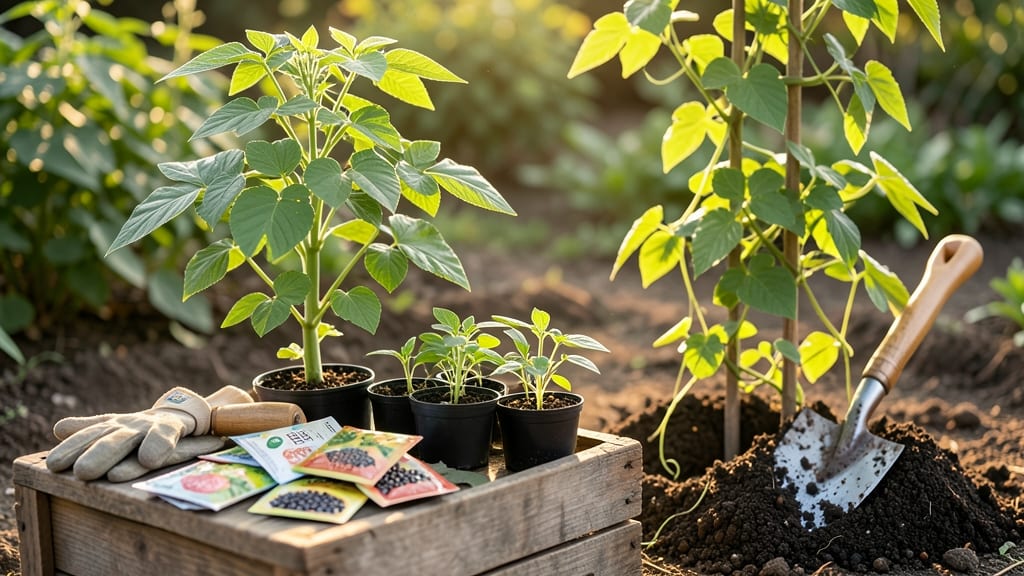
Timing your Beans planting in Kentucky can mean the difference between a bountiful harvest and wasted seeds. With the right window—April 15 to May 15—you’ll avoid frost damage while giving your 🌱 plants enough warmth to thrive.
I’ve grown beans in Kentucky’s USDA Zone 6a for years, and I’ve learned the hard way that rushing or waiting too long throws off the whole season. The key is planting after the last frost when soil temperatures hit 60°F, ensuring strong germination and faster growth.
Whether you’re growing bush beans for quick harvests or pole beans for climbing vines, this guide will help you pick the perfect moment. We’ll cover soil prep, spacing, and even how to stretch your growing season if late frosts sneak in.
Ready to turn your garden into a bean bonanza? Let’s dive into the exact steps to plant your seeds for maximum success—no guesswork, just green pods from July through September.
Kentucky bean planting zones & frost-free dates by region
Kentucky’s diverse climate—spanning USDA zones 5-7—means your bean planting timeline should match your region. Northern areas like Paducah (Zone 6b) face later last frosts, while southern spots like Bowling Green (Zone 7a) warm up faster.
To avoid frost damage, I always check the average last frost date for my area before breaking out the bean seeds.
For most of Kentucky, the frost-free window runs from mid-April to mid-October, but exact dates vary. Lexington typically sees its last frost around April 15, while Louisville might be a week earlier.
In rural areas, microclimates can shift these dates by 10 days or more—so I recommend using a local weather app or checking with your Cooperative Extension Service for precise predictions.
Here’s how I adjust my planting strategy based on Kentucky’s regions:
| Region | USDA Zone | Avg. Last Frost | First Planting Window | Peak Harvest |
|---|---|---|---|---|
| Northern KY (e.g., Paducah) | 6b | April 22 | May 1 - May 15 | July 20 - Aug 15 |
| Central KY (e.g., Lexington) | 6a | April 15 | April 20 - May 10 | July 10 - Aug 10 |
| Southern KY (e.g., Bowling Green) | 7a | March 25 | April 1 - April 20 | June 20 - July 25 |
| Urban Areas (e.g., Louisville) | 6b | April 10 | April 25 - May 5 | July 15 - Aug 5 |
*Dates based on 30-year averages; adjust for 2024 predictions.
If you’re in Zone 6a (central Kentucky), like me, aim to plant pole beans by April 20 and bush beans by May 1. The key is waiting until the soil temperature hits 60°F—cold soil slows germination, and you don’t want soggy seeds.
I use a soil thermometer to check, especially in spring when nights are still chilly.
For late-season varieties or a second planting, I often try succession planting in early July. This works best in southern Kentucky where the growing season stretches longer. Just be prepared to harvest before the first frost in mid-October, or use row covers to extend the season by 2-3 weeks.
Pro tip: If you’re unsure about frost dates, I recommend planting a test row of fast-maturing beans (like Blue Lake) a week before your usual schedule. This gives you a heads-up if the weather turns cold unexpectedly.
Remember, Kentucky’s humidity and heat can also affect planting. In Zone 7a, I avoid planting after June 15 because the summer heat can cause beans to bolt or produce bitter pods. Timing is everything—get it right, and you’ll enjoy fresh beans straight from your garden all summer long!
🌱
Best bean varieties for Kentucky’s climate & when to sow them
Kentucky’s humid summers and variable springs make choosing the right bean variety just as important as timing. I’ve found that pole beans like Kentucky Wonder thrive in our long growing season, while bush beans such as Blue Lake mature faster—ideal for shorter seasons or urban gardens with limited space.
For heat tolerance, heirloom varieties like Rattlesnake beans are my go-to—they handle Kentucky’s 90°F+ spells without wilting. Each variety has its own planting window, so let’s break down the best options and their ideal sowing dates to maximize your harvest.
🌱
If you’re aiming for a continuous harvest, try succession planting every 2 weeks from April through June. For example, sow Blue Lake bush beans on April 25, then again on May 10 and May 25 to stretch your harvest into early fall.
For urban gardeners with limited space, bush beans are the clear winner—they mature quickly and don’t require trellises. Meanwhile, pole beans like Kentucky Wonder are perfect for rural gardens where you can dedicate a fence or trellis to climbing vines.
Pro tip: If your soil stays cool past May 15, opt for heat-tolerant varieties like Rattlesnake and wait until soil temps hit 65°F for faster germination. I’ve also had success using black plastic mulch to warm the soil earlier in the season.