Plants
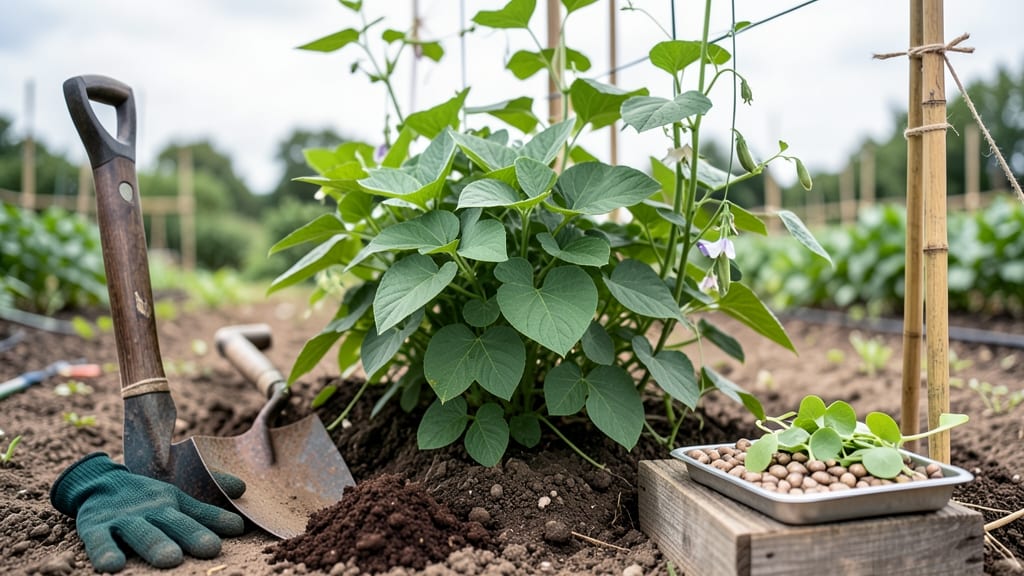
Timing your beans planting in North Carolina can mean the difference between a bumper crop and a frost-killed garden. With the state's varied climate zones—from the coastal plains to the mountain regions—knowing exactly when to plant is key to avoiding early frosts or scorching summer heat.
Most gardeners in NC's 7a-8b zones wait until soil temperatures hit 60°F or warmer, typically between mid-April and early June for spring plantings. But here's the catch: your exact window depends on whether you're in the Piedmont or the coast, where frost dates can shift by weeks.
We'll break down the ideal planting schedule so you can grow pole, bush, and lima beans with confidence.
Fall plantings offer a second chance for harvests, with late July to early August being the sweet spot. The trick? Understanding your region's first frost dates—usually between mid-October and early November—and choosing heat-tolerant varieties that thrive in NC's long summers.
Ready to grow more beans with less guesswork? Let's dive into the soil temperature secrets, frost-free timelines, and variety recommendations that will transform your NC garden this season.
North Carolina bean planting timeline by region (frost dates & soil warmth)
North Carolina’s diverse climate—from the Coastal Plain to the Mountains—means your bean planting window varies by USDA Zone. Most regions fall between 7a and 8b, but even a 100-mile drive can shift your last frost date by weeks.
For example, Asheville’s Zone 7a typically sees its last frost by April 15, while Wilmington’s Zone 8a can start planting by March 15. Understanding these differences ensures your beans thrive without frost damage or heat stress.
Beans need warm soil (60°F+) to germinate properly. Cold soil slows growth, leaving them vulnerable to pests and disease. Use a soil thermometer to check depth—beans prefer soil 2-3 inches deep to reach the ideal temperature.
In cooler zones like the Piedmont, wait until late April or early May, while Zone 8 gardeners can start as early as mid-April. Timing also depends on whether you’re growing bush beans (shorter season) or pole beans (longer season).
Here’s how to align your planting with NC’s regional frost-free windows and soil warmth:
| Region | USDA Zone | Avg. Last Frost | Soil Warmth Ready | Best Planting Window | Fall Planting (Late Season) |
|---|---|---|---|---|---|
| Coastal Plain (e.g., Wilmington) | 8a-8b | March 15–April 1 | Mid-March | March 20–April 15 | August 1–15 |
| Piedmont (e.g., Raleigh) | 7b-8a | April 1–15 | Late April | April 15–May 1 | July 20–August 5 |
| Mountains (e.g., Asheville) | 7a | April 15–30 | Early May | May 1–15 | July 10–20 |
| High Altitude (e.g., Boone) | 6b-7a | May 1–15 | Late May | May 15–June 1 | N/A (too short season) |
For Zone 8 gardeners, like those in the Coastal Plain, you can even squeeze in a fall harvest by planting late July to early August. Choose heat-tolerant varieties like ‘Blue Lake’ or ‘Contender’ to handle summer’s lingering warmth.
In contrast, Mountain regions with shorter seasons should focus on early-maturing varieties like ‘Blue Lake Bush’ (50–55 days) to avoid first frost, which typically hits by October 15.
Pro tip: Use black plastic mulch to warm soil faster in cooler zones. This can shave off 1–2 weeks from your planting timeline by raising soil temperatures by 5–10°F. Just remove it once beans start flowering to prevent overheating.
Pair this with row covers for early plantings to protect against unexpected late frosts, which can still occur in April even in Zone 8.
If you’re in Zone 7a or cooler, consider starting seeds indoors 4–6 weeks before your last frost date. Transplant seedlings outdoors once soil warms to 60°F and nighttime temperatures stay above 50°F. This head start gives beans a 2–3 week advantage over direct-sown seeds, extending your harvest window.
Don’t forget about succession planting! In NC, you can often fit 3 harvest
How to time bean planting for maximum yield (soil tests & succession planting)
Getting your bean planting timing right in North Carolina isn't just about avoiding frost—it's about creating the perfect conditions for maximum yield. The key? Waiting until your soil reaches 60°F or warmer, typically between mid-April and early June for spring plantings.
Cold soil slows germination and can lead to rot, so don't rush—even if your air temperatures seem warm.
I always test soil warmth by pressing my hand into the ground about 2 inches deep. If it feels cool to the touch, wait a few more days.
For pole beans, which need more heat to thrive, I wait until the soil hits 65°F—that extra warmth makes all the difference in their early growth.
Once your soil is ready, use succession planting to stretch your harvest season. In NC, I plant my first batch in early May, then follow up with 2-3 more plantings every 2-3 weeks until mid-July. This way, I get fresh beans from June through September.
For fall plantings, aim for late July to early August—just make sure your variety matures before the first frost, usually by mid-October in most zones.
Proper spacing is another yield-booster. Bush beans need about 3-4 inches apart in rows spaced 18-24 inches apart, while pole beans should have 4-6 inches between plants and rows 3-4 feet apart.
This spacing improves airflow, reducing the risk of fungal diseases like bean rust, which thrives in NC's humid summers.
After planting, keep soil consistently moist but not soggy—1 inch of water per week is ideal. I water in the morning to let foliage dry quickly, which helps prevent disease. Mulching with straw also keeps roots cool and retains moisture, especially during NC's hot, dry spells.
For container growing, use pots at least 12 inches deep and fill them with a lightweight, well-draining mix. Plant 2-3 beans per container, and place them where they'll get full sun (6+ hours daily).
Containers warm up faster than garden soil, so you might plant them 1-2 weeks earlier than your in-ground beans.