
Plants
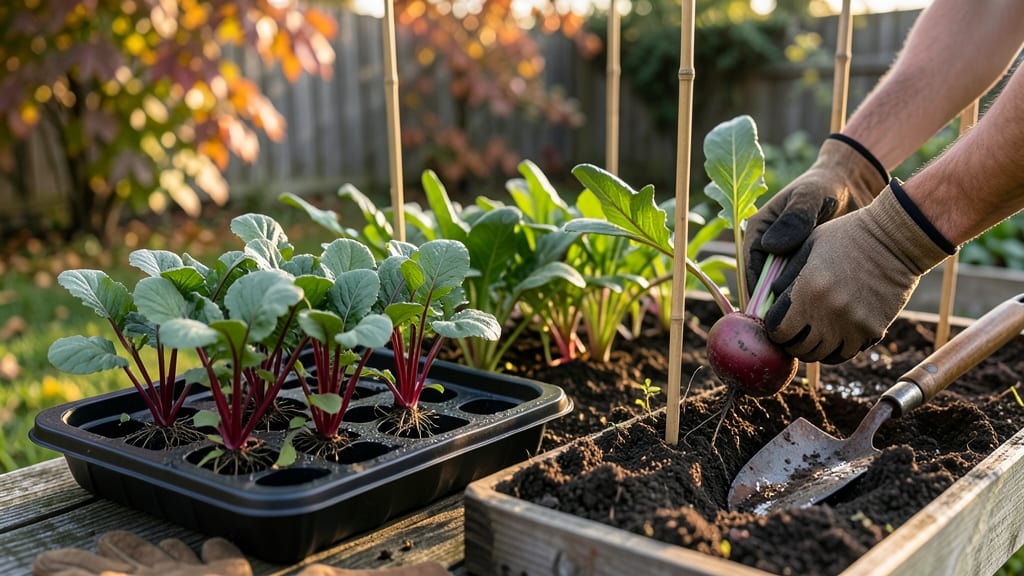
Knowing when to plant beets in the fall is the difference between sweet, tender 🍠 roots and tough, bitter disappointments—but get it right, and you’ll enjoy fresh harvests straight through winter.
Fall planting is your secret weapon for beets, but timing is everything. Too early, and you risk bolting; too late, and frost steals your crop. The key? Planting 4-6 weeks before your first frost—a window that balances growth and cold hardiness.
I’ll walk you through the exact steps to prep your soil, choose the right varieties, and protect your plants from early frosts. Whether you’re in Zone 6a or beyond, these tips will ensure your beets thrive even as temperatures drop.
Ready to turn your fall garden into a beet bonanza? Let’s dive into the perfect planting schedule and care routine to keep your harvests coming all season long.
Exact weeks before frost: fall planting timeline by climate Zone
Fall beets thrive when planted 4-6 weeks before your first frost date, but the exact timing depends on your USDA climate zone and local weather patterns.
In Zone 5, for example, that means sowing seeds by mid-to-late August—while gardeners in Zone 8 can push planting until early October. The key is giving beets 60-75 days of growth before temperatures dip below freezing.
Beets are cold-hardy, but they won’t tolerate frozen soil or persistent sub-30°F nights. In zones with short growing seasons (3-5), aim for early August planting to harvest before hard frost.
Meanwhile, longer-season zones (7-10) can extend harvests by planting through mid-October, using row covers to protect tender greens.
🌱 Pro Tip: Check your local frost dates (via the National Weather Service or Old Farmer’s Almanac) and count backward. For example, if frost hits November 15, plant by October 1 for a 75-day variety.
In Zone 6a (like much of the Midwest), I’ve had the most success planting Detroit Dark Red around August 20-September 10, which gives me harvests from late October through November.
The key is soil temperature: seeds won’t germinate well if soil stays above 80°F for more than a few days.
For cooler zones (3-5), prioritize early-maturing varieties like 'Cylindra' (50 days) to avoid woody roots from slow growth. In warmer zones (7-10), you can afford slower varieties like 'Chioggia' (75 days) and even succession plant for a staggered harvest.
🌡️ Watch For: Soil temps below 50°F can delay germination. Use a soil thermometer to confirm conditions are ideal—60-70°F is perfect for fall planting.
If your zone isn’t listed, calculate your last planting date by subtracting 75 days from your first frost date. For example, if frost hits November 1, plant by July 28. Adjust for <
How to extend beet harvests through winter: succession planting & cold protection
Fall beets don’t have to disappear with the first frost! With the right strategies, you can keep harvesting sweet, tender roots well into winter—or even until spring. The secret lies in succession planting and cold protection, two techniques that turn your garden into a year-round beet factory.
Start by planting your first batch 4-6 weeks before your average first frost date. Then, every 2-3 weeks after that, sow another row of seeds. This staggered approach ensures a steady supply of beets as older plants mature and new ones take their place.
For even longer harvests, pair succession planting with cold-hardy varieties like 'Detroit Dark Red' or 'Winter Keeper'. These varieties can withstand light frosts and even continue growing under protective coverings.
Here’s how to maximize your fall beet harvest with a few simple steps:
- 📅 Stagger plantings every 2-3 weeks after your initial date to ensure continuous harvests.
- 🏗️ Use low tunnels or cloches to protect plants from light frosts and extend the growing season.
- 🌾 Apply 4-6 inches of straw mulch before the first frost to insulate roots and prevent freezing.
- 🍃 Harvest leaves first to prolong root production—you can still enjoy the greens even if the roots aren’t ready.
- ❄️ Choose cold-tolerant varieties like 'Detroit Dark Red' or 'Winter Keeper' for hardier harvests.
If you’re in a colder climate, consider using row covers or even a small greenhouse to create a microclimate that keeps your beets growing. These protective layers trap heat and shield plants from harsh winds, allowing you to harvest well past the traditional frost date.
Don’t forget to monitor your soil temperature—beets grow best when soil stays above 40°F. If temperatures drop below that, growth will slow, but with the right protection, your plants can still survive and produce edible roots.
With these techniques, you’ll enjoy fresh beets straight from your garden long after most gardeners have packed it in for the season. Happy planting! 🌿