
Plants
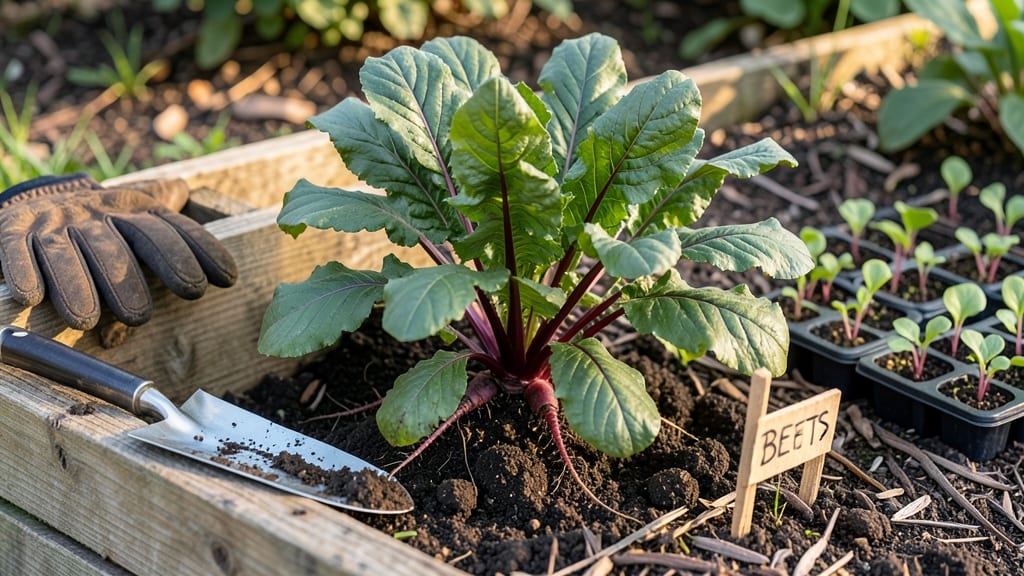
Timing when to plant fall beets in Zone 6 can mean the difference between tender, sweet roots and tough, woody failures. If you've ever pulled up a beet only to find it bitter or stringy, you know how frustrating it can be.
The secret lies in planting at the perfect moment—8 to 10 weeks before your first frost—when the soil is still warm enough to encourage strong growth but cool enough to prevent bolting.
Most gardeners in Zone 6 (like you) overlook this critical window, thinking "later is better" when it comes to fall planting. But beets need a balance: too early, and they bolt or become tough; too late, and frost ruins your harvest before the roots mature.
I’ll show you exactly how to calculate your ideal planting date using local frost charts and adjust for your microclimate.
Once you’ve nailed the timing, the next challenge is soil prep and spacing—two common mistakes that sabotage even the best-laid plans. Loose, well-draining soil and proper spacing (about 2-3 inches apart) are non-negotiable for sweet, uniform beets.
Let’s break down the exact steps to set your fall beet patch up for success.
By the end of this guide, you’ll know not just when to plant, but how to ensure your beets grow into the juicy, flavorful harvest you’ve been dreaming of. No more guesswork—just foolproof fall beet-growing tailored to Zone 6’s unpredictable autumn weather.
Optimal planting weeks before frost for Zone 6 fall beets
In Zone 6, fall beets thrive when planted 8-10 weeks before the first frost—typically between mid-July and early August. This timing ensures your beets mature before hard freezes (around October 15 in Zone 6), delivering sweet, tender roots instead of woody failures.
Adjust slightly for early/late varieties: fast-maturing types (like 'Early Wonder') can go in late August, while slower varieties need the earlier window.
Beets love cool autumn temperatures (50-70°F), which sweeten their flavor. Planting too early (June) risks bolting (flowering prematurely) from summer heat, while late planting (after August) may not yield mature roots before frost. The 8-10 week rule balances these risks for a reliable harvest.
Here’s how to align your planting with Zone 6’s frost timeline for foolproof results:
Soil temperature is just as critical as air temperature. Beets germinate best in soil at least 40°F, so avoid planting until late July when soil warms sufficiently.
Test your soil’s readiness with a soil thermometer—if it’s cooler than 40°F, wait 1-2 weeks. Cold soil slows germination, leading to patchy seedlings.
Spacing matters too: Sow seeds 1 inch apart in rows 12 inches apart for easy thinning. Thin seedlings to 3-4 inches apart once they’re 2 inches tall—this prevents competition and ensures larger roots. Use a hand trowel for precise thinning without damaging neighboring plants.
Mulch your beet beds with 2-3 inches of straw or shredded leaves after thinning. This retains moisture, suppresses weeds, and protects roots from temperature swings common in Zone 6 autumns. Remove mulch 2 weeks before harvest to avoid soil contamination.
Watch for bolting signs (long stems, yellow flowers) in late-planted beets. If your plants bolt, harvest the leafy greens (edible and nutritious) or pull the entire plant. Bolting is irreversible, but early harvesting mitigates losses. Shade cloth (30-50%) can delay bolting if summer heat lingers.
For a second fall harvest, try a succession planting in early September with fast varieties like 'Babybeat'. These mature in 45-50 days, giving you a late-October crop before hard frosts. Just plant in partial shade to avoid bolting.
Remember: Frost-tolerant beets can survive light frosts (28-30°F), but roots become woody and tough if frozen. Harvest before the first hard frost (below 25°F) by digging carefully with a fork or spade to avoid bruising. Store harvested beets in a cool, dark place (32-35°F) for up to 3 months.
Optimal planting weeks before frost for Zone 6 fall beets
In Zone 6, the golden window for planting fall beets is 8 to 10 weeks before your first frost, which typically lands between late July and mid-August. This timing ensures your beets mature before cold snaps turn roots woody.
For example, if your first frost arrives October 15, aim to plant around August 10 for a perfect harvest window.
For early-maturing varieties (like 'Babybeat'), you can push planting to mid-August—just 6-7 weeks before frost. Meanwhile, larger varieties (such as 'Detroit Dark Red') need the full 10-week window to reach their full size. Always check seed packets for days to maturity to adjust your timing.
Soil temperature is just as critical as frost dates. Beets thrive in soil that’s at least 50°F—warmer than this, and they bolt; cooler, and germination slows. In Zone 6, soil temps drop below 50°F by mid-September, so don’t wait too long to plant.
🌱 Fall Beet Planting Timeline for Zone 6
| Stage | Action | Notes |
|---|---|---|
| Soil Prep | Test pH (6.0-7.0) | Add compost for loose soil |
| Planting Window | Late July - Mid-August | 8-10 weeks before frost |
| Spacing | 2-3 inches apart | Thin seedlings to avoid crowding |
| Harvest Window | October - Early November | Before hard frost hits |
If you’re unsure about your frost date, use the USDA Plant Hardiness Zone Map to find your exact Zone 6a/6b cutoff. Many local Cooperative Extension offices also provide frost date averages—just a quick call or email away.
Pro tip: Plant a test row 2 weeks early to gauge your microclimate’s tolerance.
For successive planting, sow seeds every 2 weeks from late July through early September. This staggered approach ensures a continuous harvest until frost. Just remember: the later you plant, the smaller your beets will be—so balance quantity with quality by spacing out your sowing.
Once planted, monitor your beets for bolting signs (long stems, bitter leaves) if temperatures spike above 80°F. If this happens, use shade cloth or mulch to cool the soil and keep roots sweet.
With the right timing, your fall beets will reward you with tender, vibrant roots ready for roasting or salads.