
Plants
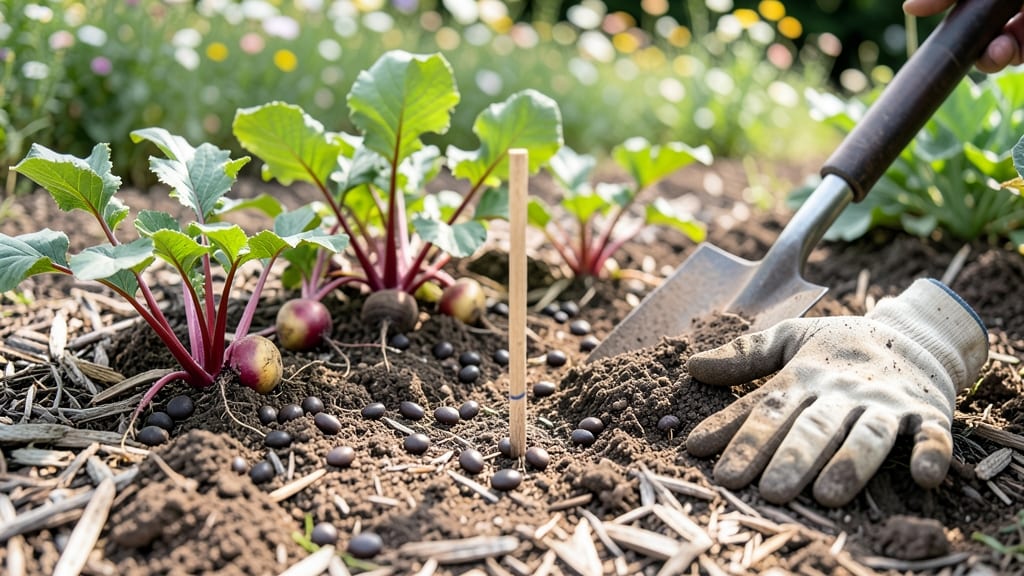
Knowing when to plant beets in Zone 5b could mean the difference between tender, sweet 🍠 roots and tough, bitter failures. The key isn't just avoiding frost—it's timing your sowing so the roots mature before summer heat triggers bolting, while still giving them enough cool weather to develop properly.
For Zone 5b gardeners, the ideal window opens 4-6 weeks before your last frost date (typically mid-March to early April), giving beets 50-60 days to reach harvest size.
But here's the catch: you can also plant a second crop in late July for a fall harvest, as long as you account for your first frost in mid-October.
This isn't just about dates—it's about soil temperature too. Beets need soil that's at least 45°F to germinate properly, which is why early spring plantings often require cold frames or row covers. I'll show you exactly how to time it right for both crisp spring and fall harvests.
Ready to grow restaurant-quality beets? Let's break down the exact planting schedule, plus pro tips to avoid common mistakes that sabotage Zone 5b gardens every year.
Zone 5b beet planting calendar: exact weeks before last frost for harvest success
In Zone 5b, your beet planting schedule hinges on two critical windows: early spring and late summer.
The last frost date (around April 15) and first frost date (around October 15) create a 165-day growing season—just enough time to grow sweet, tender beets if you time it right.
For best results, aim to plant beets 4–6 weeks before your last frost and again 8–10 weeks before your first frost for a fall harvest.
Beets thrive in cooler temperatures (50–75°F), making them perfect for spring and fall planting. In Zone 5b, soil temperatures must reach at least 45°F for seeds to germinate.
If you plant too early, cold soil will delay sprouting, while planting too late risks bolting (premature flowering) or tough, fibrous roots. Let’s break down the exact planting windows to maximize your harvest.
📅 Spring Planting Window: Start seeds indoors 4–6 weeks before your last frost (early March) or direct-sow outdoors 2–3 weeks before the last frost (early April). For a continuous harvest, make succession plantings every 2 weeks until early May. This ensures a steady supply of beets from late May through July.
🍂 Fall Planting Window: For a second harvest, sow seeds outdoors 8–10 weeks before your first frost (late July to early August). Choose cold-hardy varieties like ‘Detroit Dark Red’ or ‘Golden’ to withstand cooler temperatures. With proper care, you can harvest beets until mid-October, just before hard frosts set in.
| Planting Window | Action | Soil Temp | Harvest Time |
|---|---|---|---|
| Early Spring (March) | Start indoors or direct-sow | 45–55°F | Late May–July |
| Late Spring (April) | Succession plant every 2 weeks | 50–65°F | June–August |
| Late Summer (July–August) | Direct-sow for fall harvest | 55–70°F | September–October |
Direct sowing is the best method for beets—they dislike transplanting and can develop woody roots if disturbed. Scatter seeds ½ inch deep and 1–2 inches apart in rows 12–18 inches apart.
Thin seedlings to 3–4 inches apart when they reach 2 inches tall to prevent overcrowding, which leads to small, misshapen roots.
If you’re short on space, consider interplanting beets with fast-growing crops like lettuce or radishes. Radishes mature in 3–4 weeks, giving them time to grow before beets take over the space. This succession planting trick maximizes your garden’s productivity and ensures you always have fresh produce on the table.
For fall planting, focus on cold-hardy varieties and use row covers to extend the season. If temperatures dip below 40°F, protect seedlings with a lightweight frost blanket or cloche.
This simple step can add 2–3 extra weeks to your harvest window, giving you time to enjoy beets well into October.
Always monitor your garden for signs of bolting, which occurs when beets sense warm temperatures and long daylight hours. If your plants bolt, they’ll send up tall flower stalks and produce bitter, inedible roots.
To prevent bolting, avoid planting too late in spring or use shade cloth (30–50%) during heat waves to keep soil temps cool.
Finally, remember that beets take 50–60 days to mature. Plan your planting schedule backward from your harvest goals—whether you want a steady supply for salads, roasting, or pickling. With this Zone 5b beet planting calendar, you’ll enjoy crisp, sweet roots all season long. 🌱
Zone 5b beet planting calendar: exact weeks before last frost for harvest success
Zone 5b gardeners have a 165-day frost-free window, but beets need precise timing to avoid bolting or stunted growth. The magic happens when you plant 4-6 weeks before your last frost date (typically mid-March to early April), giving them 50-60 days to mature before summer heat triggers flowering.
For a second harvest, aim for late July to early August, with roots ready by mid-October before the first frost hits. This two-pronged approach ensures you enjoy beets from May through October—no summer gaps!
| Planting Window | Soil Temp | Days to Harvest | Key Notes |
|---|---|---|---|
| March 15–April 1 (Spring) | 45–50°F | 50–60 days | Use row covers if nights are cold |
| July 15–August 1 (Fall) | 50–65°F | 50–60 days | Avoid late plantings—bolting risk rises |
| Successive Sowings | N/A | 40–50 days | Sow every 2 weeks for continuous harvest |
Pro tip: Beets thrive in cool soil, so avoid planting when temperatures exceed 75°F. If your summer heatwave hits early, opt for shade cloth or switch to leaf beet varieties (like 'Fordhook Giant') that tolerate heat better.
For direct sowing, scatter seeds ½ inch deep and 1–2 inches apart, then thin seedlings to 3–4 inches apart when they’re 2 inches tall. This spacing prevents overcrowding, which leads to misshapen roots.
Remember: Beets are cold-hardy but hate heat stress. In Zone 5b, your last chance for a fall crop is August 1—any later, and you risk bolting before harvest. Start seeds indoors if you’re pushing the envelope!
🌱