Companion Plants
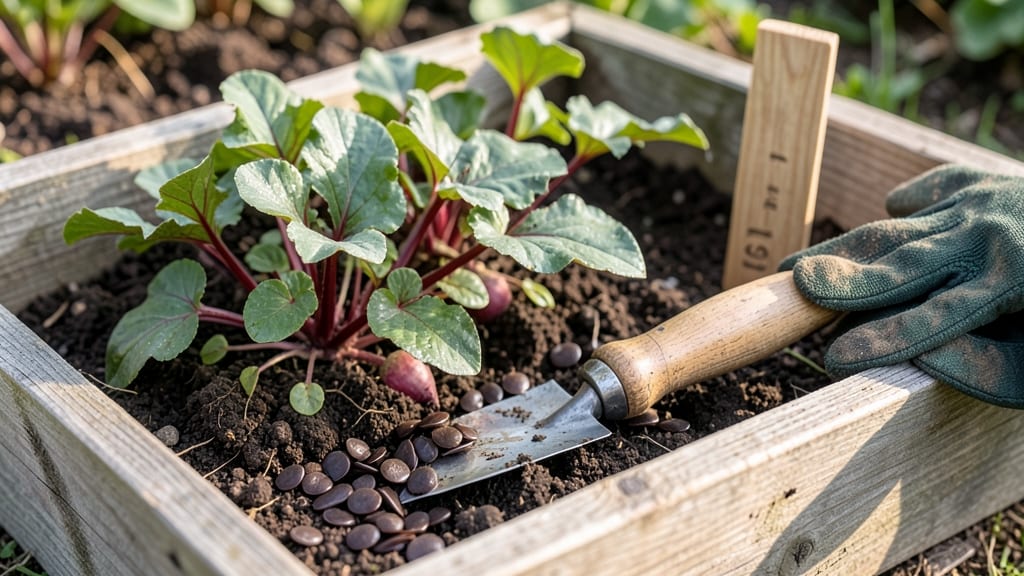
If you’ve ever planted beets in Zone 6 only to watch them struggle through slow germination or bitter roots, you’re not alone. The key to growing sweet, tender 🍠 beets lies in planting them at the right time—when soil temperatures and frost patterns align perfectly for fast, reliable growth.
In Zone 6, timing is everything: plant too early, and cold soil delays sprouting; wait too long, and summer heat turns your beets woody. The ideal window starts as soon as the ground can be worked in early spring, with a second chance in late summer for a fall harvest.
Let’s break down the exact weeks before your last frost to ensure your beets thrive.
You’ll discover how to maximize your harvest with succession planting, avoid common pitfalls like bolting or slow germination, and even extend your growing season with simple tricks.
Whether you’re a beginner or a seasoned gardener, these strategies will help you grow beets that are ready to harvest in just 60 days—no more waiting for disappointment.
Ready to transform your garden? Let’s dive into the foolproof schedule that guarantees fast germination, vibrant greens, and roots so tender they’ll make your dinner table the envy of the neighborhood.
Zone 6 beet planting calendar: exact weeks before last frost for fast germination
Timing is everything when it comes to growing beets in Zone 6. The key is planting 4-6 weeks before your last frost date (typically mid-April in most of Zone 6) when soil temperatures reach at least 45°F.
This gives your beets enough time to mature before summer heat sets in and causes them to bolt or develop woody roots.
For fast germination, aim for soil temperatures between 45-85°F. Beets are cold-hardy and can even tolerate light frosts, but they won’t germinate well in soil colder than 40°F. The sweet spot for both speed and flavor is planting when daytime temperatures consistently stay above 50°F.
Here’s the breakdown of your Zone 6 beet planting schedule to maximize harvests:
| Planting Window | Soil Temp (°F) | Days to Harvest | Best Varieties | Key Notes |
|---|---|---|---|---|
| Early Spring (March 15 - April 15) | 45-60°F | 50-60 days | Detroit Dark Red, Golden | Plant as soon as soil is workable; use row covers for frost protection. |
| Late Summer (July 15 - August 15) | 60-75°F | 60-70 days | Chioggia, Babybeat | Avoid planting after August 1; use shade cloth if temps exceed 80°F. |
| Fall (August 1 - September 1) | 50-65°F | 60-80 days | Boltardy, Ruby Queen | Plant 8-10 weeks before first frost; harvest before hard freeze. |
If you’re planting early varieties like Babybeat, you can start seeds indoors 4-6 weeks before your last frost and transplant seedlings outdoors once soil warms up. For maincrop varieties like Detroit Dark Red, direct sowing is best—just
Pro tip: Use a soil thermometer to check temperatures before planting. Beets need consistent moisture during germination, so water gently but regularly until sprouts appear (usually 7-14 days depending on soil warmth). Once established, they’re drought-tolerant but will develop woody roots if stressed.
For fall harvests, plant your last batch no later than August 15 in Zone 6. This gives you enough time for roots to mature before first frost (mid-October). Varieties like Boltardy are great for fall because they’re bolting-resistant and can handle cooler temperatures.
Remember, beets are biennials, meaning they’ll store well in the ground or in a cool, dark place over winter for early spring harvests. Just mark your rows so you don’t accidentally dig them up when planting new crops!
🌱
Zone 6 beet planting calendar: exact weeks before last frost for fast germination
Beets thrive in Zone 6 when planted at the right time—too early and they’ll rot in cold soil, too late and they’ll bolt or taste bitter.
The key is planting 4-6 weeks before your last frost date (typically mid-April in most of Zone 6), when soil temperatures hit 45°F or warmer. This ensures fast germination and sweet, tender roots in just 50-60 days.
For a spring harvest, start seeds indoors 4-6 weeks before your last frost or sow directly 2-3 weeks before the frost date. In Zone 6a/6b, that means early March to mid-April for direct sowing.
For a fall harvest, plant seeds 8-10 weeks before your first frost (around late July to early August), giving them time to mature before cold sets in.
| Planting Window | Soil Temp | Days to Harvest | Notes |
|---|---|---|---|
| Early Spring (March) | 45-55°F | 60-70 days | Use row covers for cold protection |
| Late Spring (April) | 55-65°F | 50-60 days | Best for fast germination |
| Late Summer (July-Aug) | 65-75°F | 90-100 days | Avoid hot soil; mulch to retain moisture |
Choose early-maturing varieties like 'Detroit Dark Red' or 'Early Wonder' for spring plantings, as they tolerate cooler soil better. For fall, opt for 'Golden' or 'Chioggia' beets, which handle slightly warmer soil and still mature before frost.
Always plant seeds ½ inch deep and thin seedlings to 2-3 inches apart to prevent crowding.
If your soil stays below 50°F for too long, germination slows dramatically. Use black plastic mulch or a cold frame to warm the soil faster. Avoid planting in summer heat (above 85°F), as this causes beets to bolt or develop woody roots.
Instead, focus on spring and fall for the best results.
For Zone 6b (warmer microclimates), you can push spring plantings slightly later—up to early May—but monitor soil temps closely. In Zone 6a, err on the earlier side (by late March) to account for slower warming. Always check your local frost dates and adjust accordingly.
Pro tip: Plant a test row 2 weeks before your target date to gauge soil readiness. If seedlings emerge within 7-10 days, your timing is perfect. If not, wait another week or two. Patience here pays off with sweeter, more tender beets!