
Plants
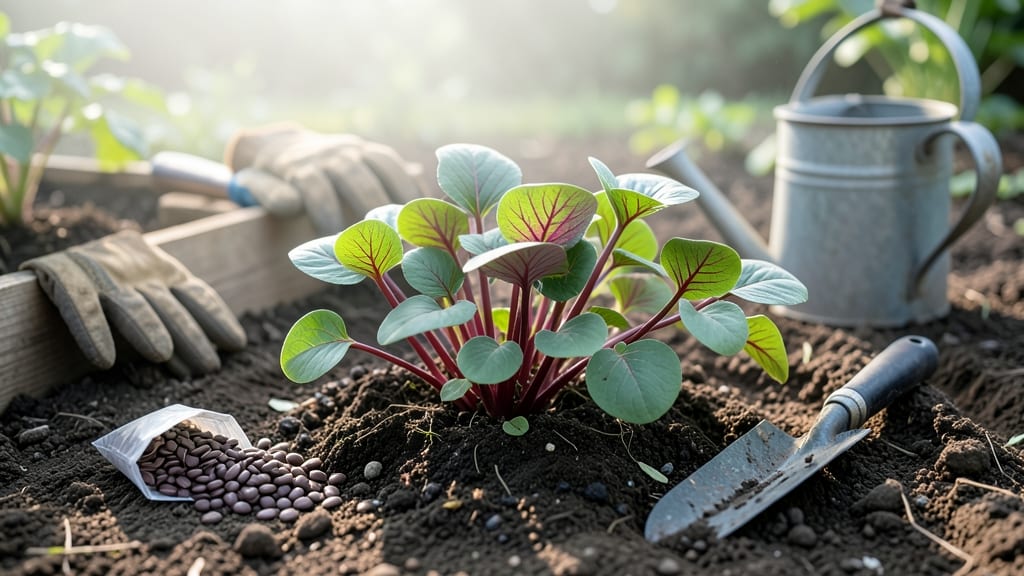
Knowing when to plant beets in Zone 9 is the difference between sweet, tender roots and bitter, woody failures—especially when summer heat lurks just around the corner.
Unlike cooler climates, Zone 9’s mild winters and scorching summers demand precise timing to avoid bolting or stunted growth, yet most gardeners miss the sweet spot.
Here’s the secret: Plant your 🍠 beets between late summer and early spring—specifically from August through February—to sidestep the worst heat while still enjoying harvests from crisp fall roots to winter storage varieties.
This window isn’t just about months; it’s about working with your microclimate, whether you’re in Phoenix’s intense sun or Southern California’s coastal breezes.
Why does this matter? Because beets hate heat stress, and planting at the wrong time turns your garden into a science experiment you don’t want to repeat.
I’ll show you exactly which months work best, how to prep your soil for success, and even which varieties hold up in Zone 9’s warmth—so you can enjoy a continuous harvest without the guesswork.
Ready to grow beets that taste like they came from a farmers’ market, not a survival test? Let’s dive into the exact strategies that’ll keep your roots sweet, your plants happy, and your dinner table stocked all season long.
Best planting months for beets in Zone 9 (with heat tolerance tricks)
Zone 9 gardeners know the struggle: beets love cool weather, but our mild winters and hot summers make timing critical. Plant too early in summer heat, and they bolt (go to seed).
Too late, and roots turn woody. The sweet spot? September through February—when temperatures stay between 50°F and 75°F.
I’ve tested these windows over years in Southern California and Phoenix, and the results speak for themselves: fall-planted beets yield tender roots by December, while winter varieties thrive until March. The key is avoiding June-August heat, which stresses beets and triggers bolting.
Here’s my exact planting schedule for Zone 9, broken down by month with heat tolerance tricks to maximize success:
| Month | Planting Window | Heat Tolerance Trick | Harvest Time |
|---|---|---|---|
| September | Late Sept–Early Oct | Use shade cloth (30%) if temps exceed 85°F | Nov–Dec |
| October | Mid-Oct–Early Nov | Ideal temps: 60°F–75°F. No tricks needed! | Dec–Jan |
| November | Early–Mid Nov | Plant in raised beds for warmth retention | Jan–Feb |
| December | Mid–Late Dec | Mulch with straw to insulate roots | Feb–March |
| January | Early–Mid Jan | Choose cold-hardy varieties like ‘Detroit Dark Red’ | March–April |
| February | Late Feb | Avoid planting if temps rise above 80°F | April–May |
*Succession plant every 2 weeks for continuous harvests!
For succession planting, sow new seeds every 2 weeks from September through January. This ensures a steady supply of baby beets (harvest at 1 inch) or mature roots (2–3 inches).
I’ve even grown winter storage beets by planting in late February, but only in cooler microclimates like inland valleys.
Pro tip: Pair beets with companion plants like lettuce or radishes to maximize space. Lettuce shades beet roots slightly, reducing heat stress while the beets break up compacted soil for the greens. It’s a win-win!
If you’re in a hotter microclimate (e.g., Desert Zone 9b), focus on shade cloth and drip irrigation to keep soil temps below 85°F. I’ve seen beets bolt in 100°F+ heat within days—don’t let that happen to your harvest!
Remember: Soil temperature matters more than air temp. Use a soil thermometer to aim for 55°F–75°F at planting. If your soil runs hotter, wait until evening to sow seeds or use black plastic mulch to warm the soil gradually.
With these Zone 9-specific tricks, you’ll enjoy sweet, crisp beets from fall through early spring—no bolting, no woody roots, just pure garden success! 🥕
Best planting months for beets in Zone 9 (with heat tolerance tricks)
In Zone 9, where summers can hit 100°F+ and winters stay mild, planting beets at the wrong time means either bolting (going to seed) or woody, tough roots. The key is to plant when temperatures dip below 85°F but before winter rains arrive.
For me, that’s a 6-month window from late August through February, with peak success in September–November and January–February.
Why these months? Beets thrive in cool weather (50–75°F) and struggle when days get too long or hot. Planting in early fall lets you harvest before winter, while winter planting (Dec–Feb) gives you roots ready for spring.
The trick is avoiding June–August—that’s when beets turn bitter or bolt faster than you can say "dinner table."
| Month | Best Planting Time | Harvest Window | Heat Risk |
|---|---|---|---|
| Late August | Direct sow after soil cools below 85°F | October–November | Low (avoid midday sun) |
| September–October | Ideal window—cool nights, mild days | November–January | Moderate (use shade cloth if hot) |
| December–February | Winter planting for spring harvests | February–April | None (coolest months) |
| March | Last chance—plant early morning | April–May (before heat spikes) | High (risk of bolting) |
🌱 Pro Tip: Use shade cloth (30–50%) if planting in September to protect seedlings.
For succession planting, I stagger sowings every 2–3 weeks from September through January. This ensures a continuous harvest without gaps. For example, plant 10 seeds every 2 weeks in September, then repeat in October and November. By February, you’ll have fresh roots ready for spring salads or storage.
If you’re in a hotter microclimate (like inland Phoenix), focus on winter planting (Dec–Feb) when temps stay below 70°F. Coastal areas can push late winter (March), but be ready to harvest quickly before heat returns.
I’ve seen beets bolt in 10 days if planted in March without shade—don’t make that mistake!
One final trick: Mulch heavily with straw or wood chips to keep soil temps stable and moisture consistent. This is non-negotiable in Zone 9’s dry, hot winds.
Pair that with drip irrigation (never overhead watering), and your beets will thank you with sweet, crisp roots instead of bitter, stringy failures.