
Plants
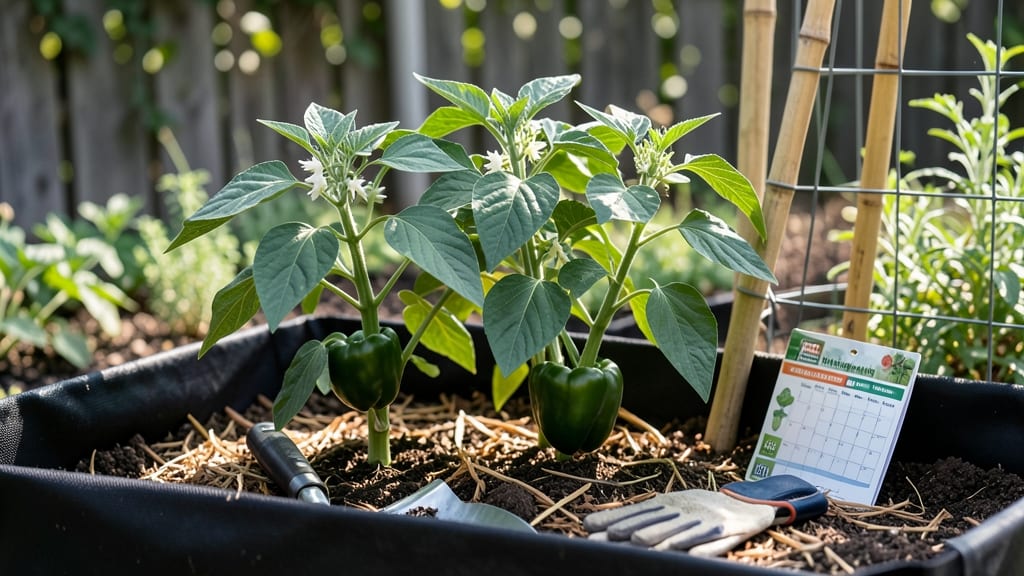
Timing your 🌶️ Bell Pepper planting in Indiana isn’t just about luck—it’s about beating frost and maximizing your harvest. With Indiana’s USDA Zone 6a climate, waiting too long means missing the 70-day growing window, while planting too early risks frost damage that can kill your seedlings before they even sprout.
I’ve grown bell peppers in Indiana for years, and the difference between a thriving garden and a failed experiment often comes down to one key factor: soil temperature.
You’ll need to wait until the ground warms to at least 60°F—and that usually lands you in the April 15–May 15 window after the last frost. But here’s the catch: urban areas like Indianapolis may warm faster than rural spots, so local microclimates matter.
Whether you’re starting seeds indoors or sowing directly, this guide breaks down the exact week-by-week schedule to ensure your peppers thrive from seed to harvest. We’ll cover when to transplant seedlings, how to adjust for late frosts, and which varieties perform best in Indiana’s heat and humidity.
Skip the guesswork—by the end, you’ll know precisely when to plant for a bumper crop of sweet, crisp bell peppers ready to harvest from July through October. Let’s get started.
Indiana’s bell pepper planting zones & exact week-by-week schedule by start method
Indiana’s USDA zones 5 and 6 mean your bell pepper planting schedule hinges on soil temperature and last frost dates. Most regions experience their final frost around April 15, but urban areas like Indianapolis may see it as late as May 1.
To avoid frost damage, plan your planting around these critical windows.
Your first decision: start seeds indoors or direct sow outdoors. Indoor starts give you a 4-6 week head start, while direct sowing is faster but riskier. Below is your exact week-by-week schedule for Indiana’s climate, adapted for both methods.
🌱 Key Rule: Never plant bell peppers until soil temperatures hit at least 60°F. Use a soil thermometer to confirm—cold soil delays germination or kills seedlings.
Indiana Bell Pepper Planting Timeline
| Method | Start Indoors | Transplant Outdoors | Direct Sow Outdoors |
|---|---|---|---|
| Zone 5/6 Schedule | March 1-15 | April 15-30 | May 1-15 |
| Soil Temp Requirement | 65-75°F (indoor trays) | 60°F+ (outdoor beds) | 60°F+ (outdoor beds) |
| Seed Depth | 1/4 inch | 1/2 inch | 1/2 inch |
| Spacing | N/A (seed trays) | 18-24 inches apart | 12-18 inches apart |
| Harvest Window | July 15 - October 1 | July 15 - October 1 | August 1 - October 15 |
💡 Pro Tip: Use black plastic mulch to warm soil faster and extend your outdoor planting window by 1-2 weeks.
If you’re starting seeds indoors, begin them 8-10 weeks before your last frost date. For Indiana, that’s March 1-15. Use grow lights or a sunny windowsill to prevent leggy seedlings. Harden off seedlings for 7-10 days before transplanting outdoors after April 15.
For direct sowing outdoors, wait until May 1-15 when soil is consistently 60°F+. Choose a south-facing garden bed for maximum warmth. Plant seeds 1/2 inch deep, 12-18 inches apart, and cover with mulch to retain heat.
Indiana’s microclimates matter! Urban areas like Indianapolis and Fort Wayne may have earlier last frosts than rural zones. Check your local Almanac frost chart or use a frost-free date calculator to fine-tune your schedule.
Extend your season with row covers or a cold frame to protect early plantings. If frost threatens after transplanting, cover seedlings with frost cloth until temperatures rise.
Remember: Bell peppers need warmth. If your spring is cool, opt for early-maturing varieties like ‘Early Cal Wonder’ (60 days to harvest) to avoid missing the season.
🌶️ Final Check: Before planting, test your soil pH (aim for 6.0-6.8) and amend with compost for optimal growth.
5 Critical factors that determine your bell pepper planting success in Indiana
Getting your bell pepper planting schedule right in Indiana isn’t just about dates—it’s about understanding the hidden variables that turn good intentions into garden gold. I’ve seen firsthand how soil temperature, frost forecasts, and even your neighborhood’s microclimate can make or break your harvest.
Let’s break down the 5 non-negotiable factors that separate thriving plants from sad, wilted failures.
First, soil temperature is your #1 priority. Bell peppers won’t germinate until the ground hits 60°F, and seedlings will struggle below 55°F. In Indiana, this usually means waiting until mid-April in southern zones or early May in cooler northern areas.
I always check my soil thermometer—it’s the only way to be sure you’re not planting too soon.
🌱 Key Takeaway
Wait for consistent 60°F+ soil temps—not just air temperature. Use a soil thermometer for accuracy.
Next, frost dates aren’t just a number—they’re your planting deadline. Indiana’s average last frost date is April 15, but urban areas like Indianapolis can warm up 1-2 weeks earlier than rural spots. I always add a 2-week buffer after the official frost date to account for late surprises.
Pro tip: Sign up for your local Cooperative Extension Service alerts—they’ll text you when frost risk drops below 10%.
Don’t overlook microclimates. A south-facing wall or paved area can create a 5°F warmer zone than your open garden bed. I’ve had peppers thrive in these spots when my main garden was still too cold. If you’re in doubt, plant a test row near your warmest spot first.
Seedling age matters too—transplant shock kills more peppers than frost. If you start indoors, your seedlings should be 6-8 weeks old with 3-4 true leaves before moving outside.
Harden them off for 7-10 days by gradually exposing them to outdoor conditions. I use shade cloth on sunny days to ease the transition.
Finally, humidity and heat will test your peppers after planting. Indiana’s summer heat can cause blossom-end rot if soil moisture fluctuates. I water deeply twice a week and mulch heavily to keep roots cool.
For extra protection, choose heat-tolerant varieties like ‘Jupiter’ or ‘Carolina Wonder’—they handle our summers better than standard types.
Master these 5 factors, and you’ll beat Indiana’s climate challenges every time. The difference between a bountiful harvest and a disappointing few peppers often comes down to paying attention to these details. Now you’re ready to plant with confidence! 🌶️