
Plants
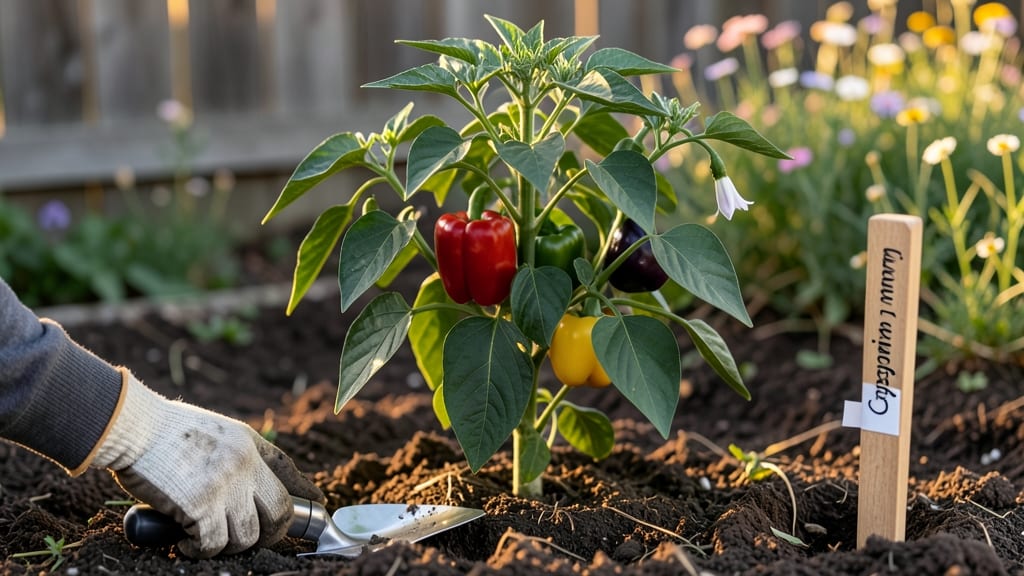
Timing your bell pepper planting in Missouri isn't just about avoiding frost—it's about catching that sweet spot when soil temperatures reach 60°F for two weeks straight.
Skip this window, and you risk stunted plants or wasted effort, especially in zones 5b-7a where spring can swing from icy to sweltering in a heartbeat.
Most gardeners in Missouri start seeds indoors 8-10 weeks before the last frost (around March), but the real magic happens when those seedlings hit the ground.
Whether you're working with raised beds or containers, waiting for soil to warm naturally—or giving it a boost with black plastic mulch—makes all the difference between a bountiful harvest and a sad, shriveled 🌶️.
I’ve seen firsthand how a single week of planting too early can turn vibrant peppers into leggy, weak plants struggling to produce. The key? Monitoring soil temps (not just air temps) and adjusting your schedule based on your specific Missouri microclimate—whether you're in St. Louis, Kansas City, or Columbia.
In this guide, I’ll break down the exact planting timeline, soil-testing tricks, and how to extend your growing season so you can enjoy fresh peppers from July through October. Let’s make sure your bell peppers thrive—not just survive.
Missouri bell pepper planting timeline by last frost date
Missouri’s USDA zones 5b-7a mean your bell pepper planting window hinges on last frost dates and soil temperature. In St. Louis (Zone 6a), the average last frost is April 15, while Kansas City (Zone 5b) sees frost until April 22.
Columbia (Zone 6b) falls right in the middle. These dates aren’t set in stone—2023’s late frost in April delayed many gardeners by weeks.
Bell peppers thrive when soil stays above 55°F for 2+ weeks, but they won’t germinate below 60°F. That’s why I start seeds indoors 8-10 weeks before my local last frost date.
For St. Louis, that’s mid-February, while Kansas City gardeners should begin late February. This head start ensures healthy transplants ready for late April to early May planting.
Direct sowing bell peppers in Missouri is risky—cold soil stunts growth, and seedlings rot if nights dip below 50°F. I’ve learned this the hard way after planting too early in 2021, only to watch my seedlings wilt during a late-May frost.
Transplants give you flexibility to wait for warmer, stable conditions.
Here’s the critical timeline for Missouri gardeners: Plant seeds indoors February 15-March 1 (Zone 5b) or March 1-15 (Zones 6a-7a). Transplant outdoors after May 15—unless you’re using row covers to protect early starts. In southern Missouri (Zone 7a), you can push planting to mid-April.
Missouri’s frost-free growing season averages 165 days, but bell peppers need 75-90 days to mature. That leaves a tight window: Plant too late, and you’ll miss harvest before first frost (October 15).
My 2022 jalapeños matured just in time—October 5—but my bell peppers needed 10 extra days.
Raised beds and containers warm up 2-3 weeks faster than in-ground soil, giving you an edge. I’ve seen black plastic mulch raise soil temps by 10°F in a week, letting me plant 2 weeks earlier without risk.
For container gardeners, use 5-gallon pots and move them to sheltered spots at night if frost threatens.
Missouri’s microclimates matter—urban areas like St. Louis stay warmer than rural zones. A neighbor in Ballwin planted April 10 with success, while my country garden in Wentzville waited until May 1.
Check your local Cooperative Extension Service for hyper-local frost data. Their frost prediction maps saved my 2023 crop from a May surprise frost.
If you’re in northern Missouri (Zone 5b), err on the side of planting late. My Kansas City friends swear by June 1 transplants for foolproof results. For southern Missouri (Zone 7a), you can stretch planting to mid-June for fall harvests, but yields will be smaller.
Always prioritize soil temp over calendar dates—it’s the #1 factor in Missouri’s unpredictable climate.
Pro tip: Use a soil thermometer for 5 consecutive days above 60°F before planting. I keep mine buried 2 inches deep—the depth where roots form. If temps dip below 55°F at night, delay planting or use row covers for 1-2 weeks to stabilize warmth.